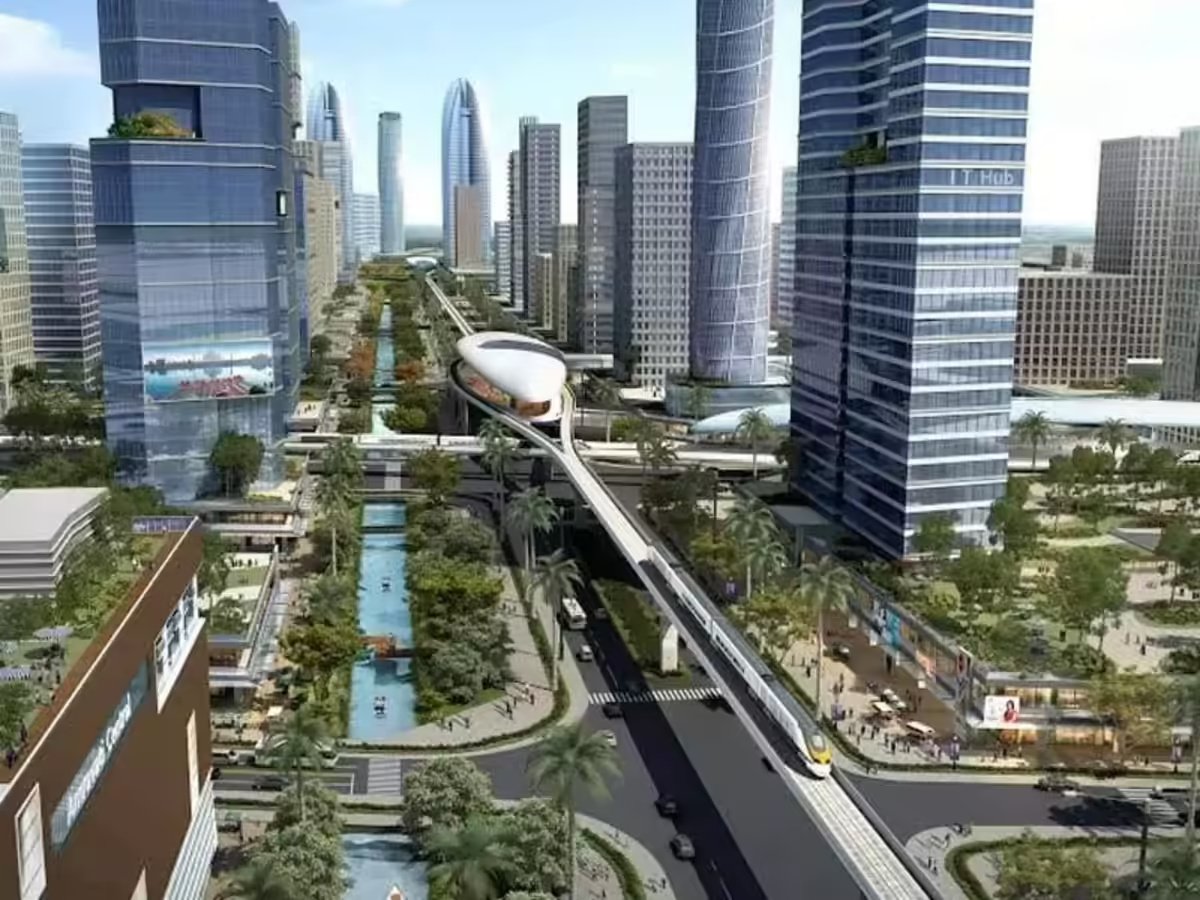
Nagpur Leaders Set Vision for Urban Development by 2047
Nagpur’s newly constituted municipal leadership has been called upon to adopt a formal pledge to drive the city’s development trajectory toward a “developed city by 2047”, signaling a strategic shift in civic governance that aligns with broader regional and national growth frameworks. Local and state officials highlighted the need for sustained, coordinated planning to translate political mandates into tangible infrastructure and services improvements for residents.
At a formal ceremony marking the investiture of the Mayor, Deputy Mayor, and other office-bearers of the Nagpur Municipal Corporation (NMC), the Guardian Minister underscored expectations for enhanced civic delivery and structural transformation across the city’s key sectors. The event, attended by senior state legislators and municipal officials, came after a prolonged period of administrative transition and caps a four-year governance vacuum. Urban governance specialists say that setting forward-looking benchmarks such as “developed city by 2047” can be useful for aligning long-term public investment, particularly when tied to robust planning frameworks and measurable milestones. Such ambitions would dovetail with Nagpur’s strategic positioning as a Tier-2 growth hub, boosted by recent central budget allocations and metropolitan investment incentives that aim to expand infrastructure, employment and connectivity beyond India’s primary megacities.
Behind the rhetoric, the city faces pressing development imperatives. Nagpur’s metropolitan region is slated for significant capital inflows — including tens of thousands of crores earmarked for transport, housing, and utility upgrades — thanks to initiatives led by the municipal body and state authorities. These include expanded metro phases, ring road enhancements and burgeoning industrial corridors that would support freight, mobility and livability. Experts note, however, that ambition must be balanced with clarity on execution capacity, revenue generation and inclusive service delivery. Infrastructure plans frequently hinge on effective revenue streams such as property taxes and public-private partnerships, and require technical capacity within municipal systems to ensure that planning translates into on-ground outcomes.
Proponents of sustainable urbanization also emphasize the need to integrate climate resilience and equitable access into any long-term vision, particularly for essential services such as water security, wastewater treatment and pedestrian-oriented mobility. A focus on community-oriented governance could also be catalysed through structured data and performance dashboards that track progress against the 2047 goals. Urban planners suggest that long horizons like 2047 — coinciding with the centenary of India’s independence — are increasingly used to anchor multi-sector plans, but they must be paired with medium-term action plans updated annually to remain credible and responsive.
For Nagpur’s residents, the political call to “pledge for development” resonates against daily challenges such as water reliability, transport connectivity and quality public services. Building trust between citizens and civic institutions will be as critical as expanding roads or parks in determining whether the city’s bold 2047 aspiration is realized.