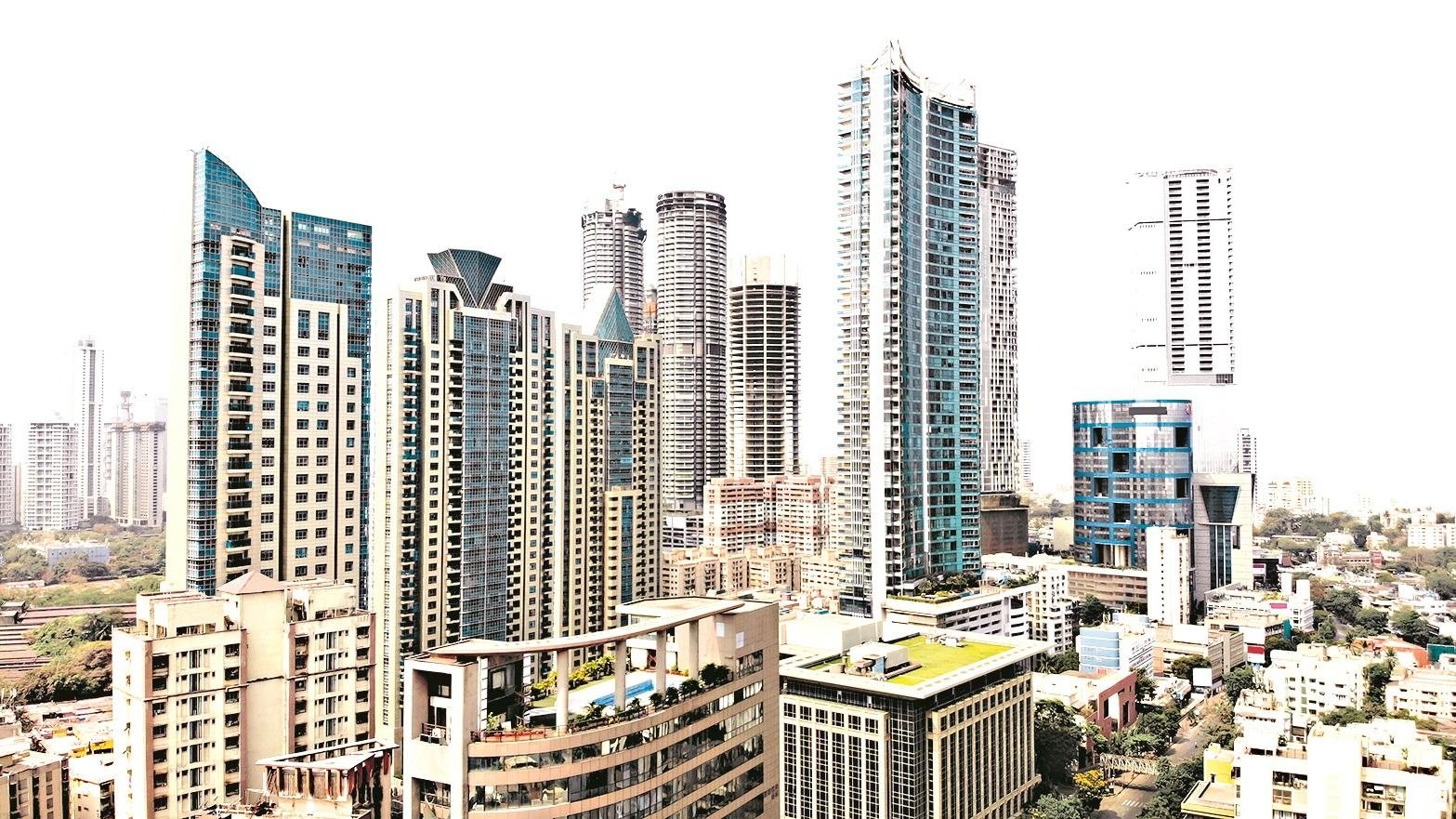
Nagpur has initiated a sweeping urban development strategy aimed at reimagining the city’s economic and spatial identity, with planners and civic agencies moving forward on a large-scale project designed to attract investment, create jobs and expand infrastructure. The proposed master plan — spanning over 1,700 acres on the city’s periphery — seeks to position Nagpur as a business and finance hub that can support inclusive growth and sustainable urban expansion. The scale of the initiative marks one of the most ambitious urban undertakings in central India in recent years. The land earmarked for development will house a mix of commercial, financial, and institutional uses, with planners envisioning integrated infrastructure that aligns with global business standards. Funding commitments for land acquisition and foundational infrastructure are substantial, supported by both state agencies and national development institutions.
For Nagpur’s residents and businesses, the plan carries multiple implications. A central objective is to broaden the city’s economic base beyond traditional sectors by attracting firms in finance, technology and services. Urban economists note that such diversification can help generate a wider range of employment opportunities, reduce dependency on legacy industries and support a more resilient local economy in the face of national and global shifts. The project also intersects with wider efforts to modernise Nagpur’s urban systems. Recent initiatives — including land use planning around transit corridors and large-scale mobility investments — suggest an overarching strategy to synchronise spatial growth with infrastructure capacity. Integrated planning near mass transit nodes, for example, can enhance accessibility while reducing carbon intensity and traffic congestion. Yet, the success of such expansive plans hinges on robust governance frameworks and community engagement. Urban planners emphasise the need for transparent land allocation processes, equitable access to opportunities for existing residents, and strong mechanisms to safeguard environmental quality. Without these elements, large-scale projects risk uneven benefits or unintended social impacts, particularly in rapidly urbanising regions.
Environmental sustainability is a recurring theme among city officials. Integrating green spaces, promoting energy-efficient buildings and ensuring resilient infrastructure are likely to feature in regulatory frameworks guiding the development. This reflects a broader recognition that modern urban growth must balance economic ambition with climate-smart design. From a civic infrastructure perspective, the expanded urban footprint will necessitate significant upgrades to utilities, transport networks and social amenities. Coordination between planning authorities and service providers will be crucial to avoid bottlenecks in water supply, waste management and mobility systems as the area transitions from peripheral land to a dynamic urban node.
Looking ahead, the plan’s phased execution will require careful monitoring and adaptive governance. Early milestones — such as land acquisition, infrastructure build-out and regulatory clearances — will set the pace for investment inflows and job creation. For Nagpur, the initiative represents not just a rebranding but a substantive shift toward becoming a more inclusive, resilient and economically diverse city.