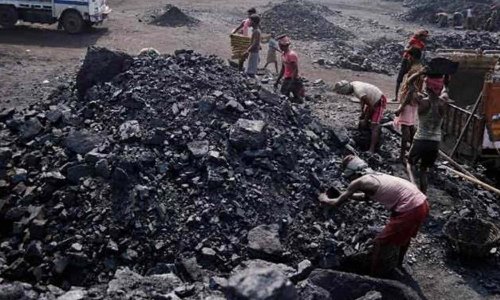
The Maharashtra government has approved the allocation of roughly 290 acres of state revenue land in Linga village, Kalmeshwar taluka for coal-to-chemical industrial projects, signalling a significant push toward industrial transformation in Vidarbha. The cabinet clearance, issued earlier this week, is expected to unlock a major coal gasification complex aimed at producing synthesis gas (syngas), hydrogen and other downstream derivatives — an initiative with deep implications for regional industrialisation and energy markets.
Coal gasification involves converting coal into a mixture of carbon monoxide and hydrogen, which serves as a feedstock for chemicals, fertilisers and alternative fuels. Under the government’s decision, eligible businesses can take possession of the designated land under “Category 2” classification by paying market-based consideration, though they will not receive full ownership rights. The policy framework aims to facilitate speedy project execution while retaining regulatory oversight over land use.This land allocation clears a key procedural step for a projected ₹70,000-crore integrated coal gasification and chemicals manufacturing facility being planned near Kalmeshwar, a short drive from the core of Nagpur. The proposed venture — backed by a leading industrial conglomerate — is projected to create tens of thousands of jobs and catalyse ancillary industries such as logistics, machine manufacturing and industrial services.
For urban policymakers and industrial strategists, the move signals an intensification of value-added industrial activity in a region already emerging as an investment hub. Vidarbha’s strategic position at the crossroads of central India’s rail and road networks has made it attractive for manufacturing and energy infrastructure. Enhanced industrial capacity here could deepen local supply chains, stimulate urban employment and expand income opportunities beyond traditional agriculture.Yet, coal gasification is not without environmental and planning challenges. Though more efficient and cleaner than traditional coal combustion, the process still entails significant carbon and water footprints. Environmental planners point out that coal-to-chemical facilities must be paired with robust emissions controls, water-use optimisation, and integration with renewable energy sources to align with long-term climate resilience goals. Failure to do so could conflict with health and air quality objectives for urban and peri-urban settlements around Nagpur.
The government’s move comes amid a broader national push to expand coal gasification capacity, supported by a ₹8,500 crore viability gap funding scheme to attract private investment into this technology. Additional allocations to underpin further projects were discussed at the cabinet level, reflecting an effort to shore up domestic chemical manufacturing and reduce import reliance.
Local economic development experts say the timing of such initiatives could be critical. With urbanisation and infrastructure investment on the rise across Maharashtra, accelerating industrial diversification might ease pressure on traditional manufacturing hubs in western India. However, success will depend on a careful balancing of economic opportunity with environmental stewardship, especially in a region where public health concerns and ecological resilience remain priorities for policymakers and urban communities alike.