


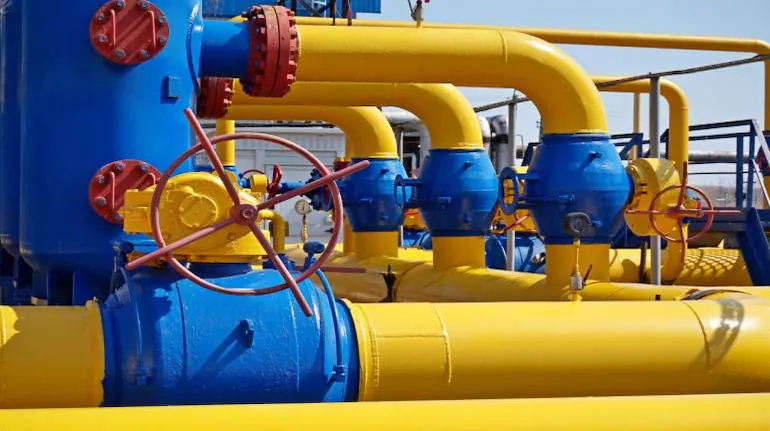
A proposed natural gas pipeline connecting Nagpur and Jabalpur is nearing regulatory approval, signalling a significant step in expanding central India’s energy infrastructure. The project is expected to enhance gas availability for households, industries, and transport systems, while strengthening regional connectivity. The planned Nagpur Jabalpur gas pipeline, spanning over 300 kilometres, is designed to link key urban and industrial centres, enabling the distribution of piped natural gas (PNG) and compressed natural gas (CNG). Officials involved in the process indicate that final clearances are anticipated soon, after which construction activities could begin.
Urban energy experts note that expanding pipeline networks is critical for improving access to cleaner fuels in growing cities. The Nagpur Jabalpur gas pipeline is expected to support the transition from conventional fuels such as LPG and diesel to natural gas, which is considered relatively less polluting at the point of use. The project comes at a time when energy security is becoming a central concern for urban planning. Recent disruptions in fuel supply chains have highlighted the need for diversified and resilient energy systems. Infrastructure such as the Nagpur Jabalpur gas pipeline can reduce dependence on transported fuels by enabling continuous, network-based supply. From an economic perspective, improved gas connectivity can support industrial growth by providing a stable and cost-effective energy source. Industries in sectors such as manufacturing, chemicals, and logistics are likely to benefit from reliable fuel access, enhancing productivity and competitiveness. The Nagpur Jabalpur gas pipeline also has implications for urban mobility. Expanding CNG infrastructure can encourage a shift towards cleaner transport options, reducing emissions and improving air quality in cities along the route. Integration with existing transport networks will be key to maximising these benefits. There are broader regional development implications as well. Enhanced energy infrastructure can attract investment, support new industrial clusters, and improve quality of life for residents. Smaller towns along the pipeline route may gain access to modern energy services, contributing to more balanced growth. However, experts caution that execution will be critical. Large infrastructure projects often face challenges related to land acquisition, environmental clearances, and coordination across multiple agencies. Ensuring timely implementation and adherence to sustainability standards will be essential. Environmental considerations are increasingly shaping energy infrastructure. While natural gas is cleaner than many traditional fuels, long-term strategies will need to integrate renewable energy sources and low-carbon technologies. The pipeline can serve as a transitional solution within a broader energy diversification framework.
Looking ahead, the approval and subsequent development of the Nagpur Jabalpur gas pipeline could play a key role in reshaping the region’s energy landscape. By improving access, reliability, and efficiency, the project has the potential to support both economic growth and environmental objectives. As cities in central India continue to expand, investments in resilient and sustainable energy systems will be central to meeting future demand and ensuring long-term urban stability.
ALSO READ – Nagpur Public Transport Surge Follows Fuel Supply Disruption
Nagpur Jabalpur Gas Pipeline Set To Boost Energy Network
