Nagpur — A series of administrative and infrastructure decisions in Nagpur this week points to both opportunities and challenges in the city’s evolution as a regional industrial and mobility hub.
Key developments span land clearance for a major coal-to-chemicals project, phased progress on critical urban flyover works, financial sector innovations and environmental adjudication — each reflecting broader debates about sustainable growth and civic governance. In a significant boost to the region’s industrial landscape, the Maharashtra state cabinet has approved the allocation of nearly 290 acres of land in Kalmeshwar taluka for coal gasification and downstream chemical projects. These ventures, designed to convert coal into synthesis gas (syngas) and derivatives including hydrogen, could catalyse industrial diversification around Nagpur and Vidarbha — potentially attracting large-scale investment and creating skilled employment pathways.
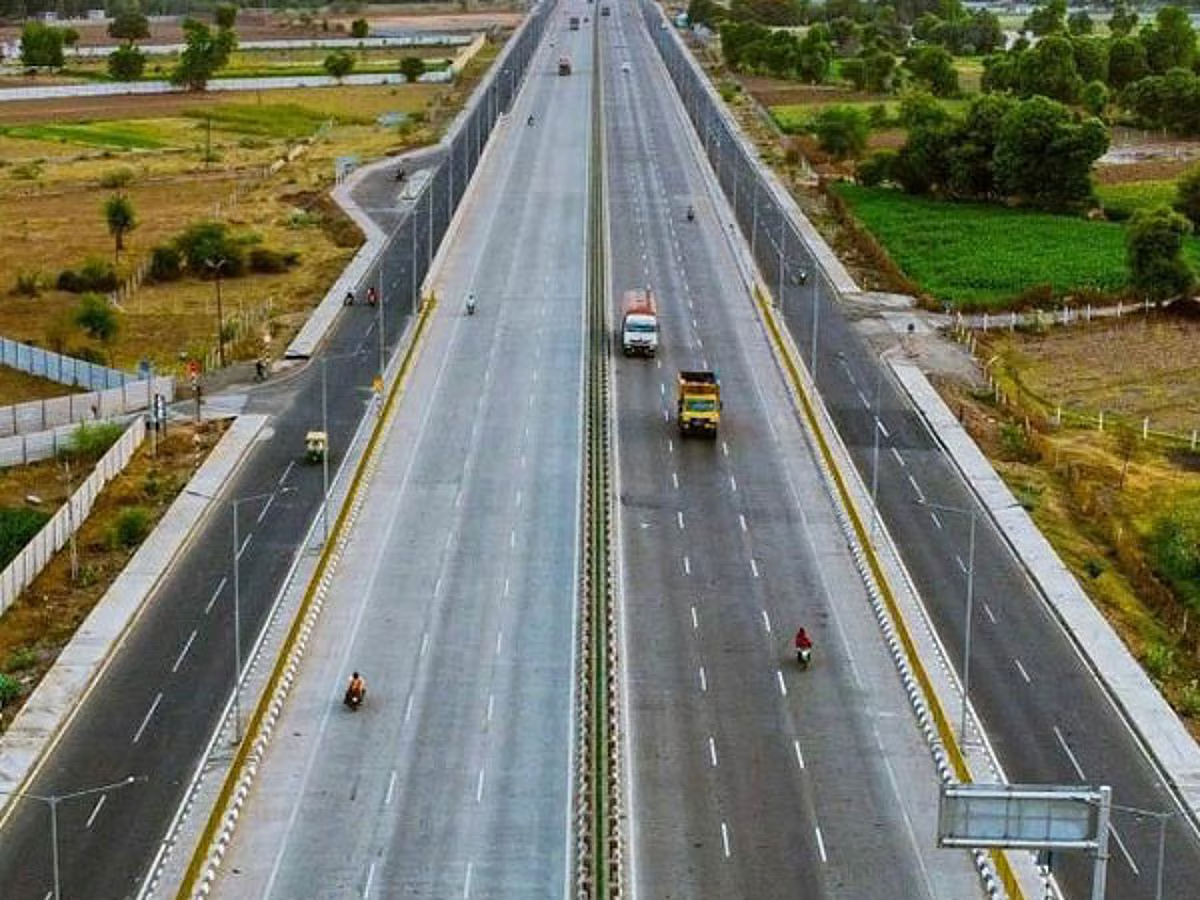
On the mobility front, Nagpur’s much-anticipated Indora-Dighori flyover — a linchpin of the city’s road decongestion strategy — is advancing toward completion. Officials say Phase II from Kamal Chowk to Reshimbagh Square is slated for opening by June 2026, while Phase I is expected to begin operations in April 2026. This phased rollout is part of a larger effort to streamline traffic flows through north Nagpur’s densely used corridors. The flyover’s progress comes amidst citizen concerns about urban road infrastructure strains. Traffic authorities have been balancing project pace with safety and resident access, highlighting the complexity of integrating large-scale infrastructure within an already dense urban fabric.
Financial and commercial systems also drew attention: the Reserve Bank of India (RBI) is advancing proposals for near real-time credit reporting mechanisms, potentially modernising credit access metrics for businesses and consumers in the region. Enhanced credit data flows could benefit small enterprises and property markets by improving financing transparency. Environmental and civic accountability surfaced in another high-profile directive from the National Green Tribunal (NGT). The tribunal ordered the Nagpur Municipal Corporation (NMC), alongside other agencies including the Public Works Department, to submit a time-bound plan for a sewage line upgrade near Futala Lake, after identifying untreated waste inflows harming the lake’s ecology. This move underscores growing judicial insistence on linking urban infrastructure upgrades with environmental safeguards.
Taken together, these developments illustrate Nagpur’s complex urban trajectory: rapid industrialisation and transport investments are reshaping growth potential, even as environmental and civic governance pressures mount. Urban planners point out that aligning heavy industry with climate-resilient strategies and inclusive mobility systems will be pivotal to sustaining regional competitiveness. Experts note that infrastructure must be paired with robust oversight frameworks — spanning water and sewage systems, emissions standards, and community engagement in transport planning — to ensure that growth does not outpace the city’s capacity to deliver essential services.
As Nagpur positions itself as a strategic node in Maharashtra’s industrial and logistics map, future reports will likely track how these policy decisions evolve into tangible outcomes for residents, investors and the built environment.