Nagpur Hospital Booking System Failure Sparks Long Queues
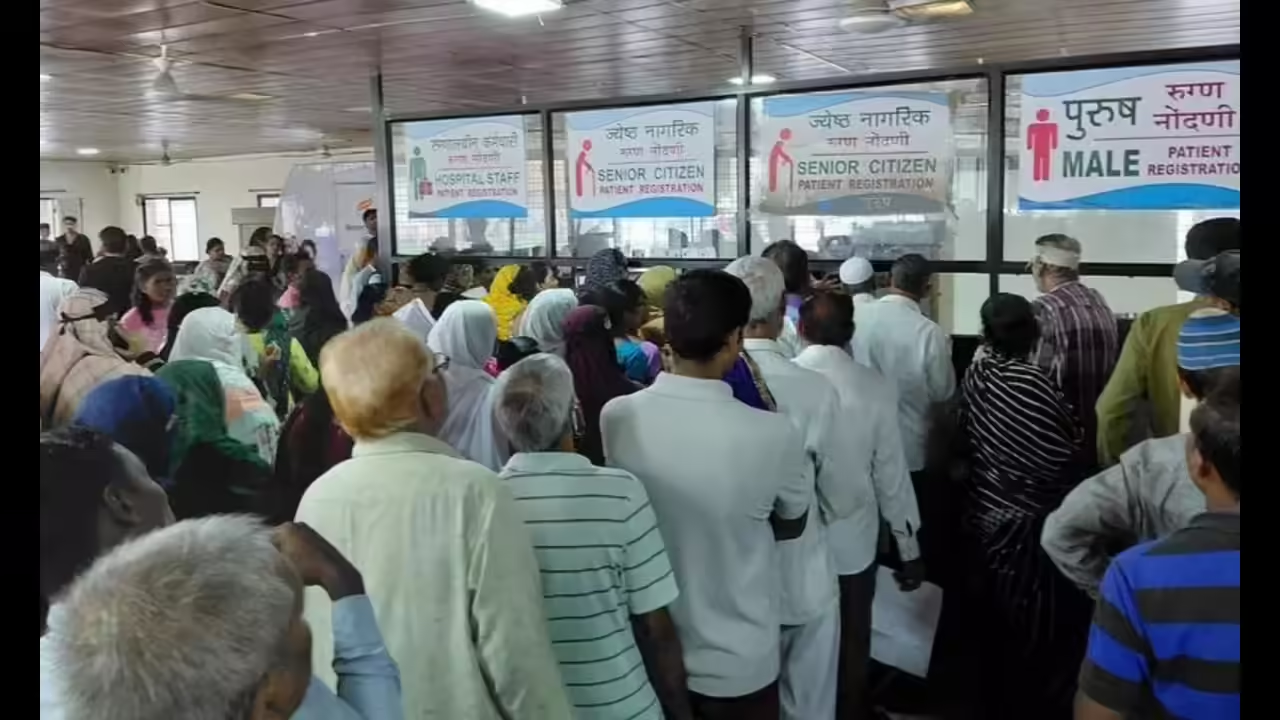
Patients seeking medical consultations at government health facilities in Nagpur are facing growing delays after a digital appointment platform stopped functioning, forcing hospitals to revert to manual registration. The disruption has triggered long queues outside outpatient departments, exposing how fragile healthcare access can become when essential digital systems fail. The problem emerged after the city’s hospital appointment portal experienced repeated outages, preventing patients from booking consultations online. With the Nagpur hospital booking system unavailable, many patients have been compelled to arrive early in the morning to secure physical registration tokens. For several facilities, this has meant hundreds of people waiting for hours before outpatient services even begin.
Hospital staff say the breakdown has significantly increased pressure on front-desk personnel. Registration counters that normally handle a limited number of walk-in patients are now managing the entire patient load. This shift has slowed down administrative processes and created bottlenecks at hospital entrances, waiting areas and registration desks. Healthcare workers point out that the Nagpur hospital booking system was designed to reduce crowding in government hospitals by enabling patients to schedule visits remotely. Digital appointments help distribute patient flow across time slots, allowing hospitals to plan staffing and reduce overcrowding in outpatient departments. Without the system functioning properly, the burden shifts back to physical queues. For many patients, especially elderly individuals and those travelling from surrounding districts, the disruption adds another layer of difficulty. Arriving early does not guarantee access to a consultation slot, and repeated visits may be required if patient capacity is exceeded for the day. Urban health planners say the situation highlights the importance of resilient digital infrastructure in public healthcare systems. As cities adopt technology-based services to manage high patient volumes, system reliability becomes critical. Even short-term outages can disrupt thousands of appointments and increase pressure on already stretched hospital staff. Digital health platforms are increasingly central to managing healthcare in rapidly growing urban centres like Nagpur. With populations expanding and demand for affordable public healthcare rising, appointment systems, electronic health records and telemedicine services are being introduced to streamline operations. However, these tools must be supported by reliable servers, backup systems and responsive technical support. Experts also emphasise the need for contingency planning. Hospitals must maintain alternative appointment mechanisms that can be activated quickly when digital platforms fail. Temporary counters, SMS-based registration or decentralised scheduling systems can help reduce overcrowding during outages.
City administrators are now reviewing the issue and assessing possible technical failures that caused the disruption. Restoring the online platform quickly will be critical to normalising patient flow and reducing waiting times at government hospitals. For Nagpur’s healthcare system, the episode serves as a reminder that digital transformation must be accompanied by robust infrastructure and fallback mechanisms. As public health services increasingly rely on technology, ensuring continuity of access will remain essential for equitable and efficient urban healthcare delivery.