


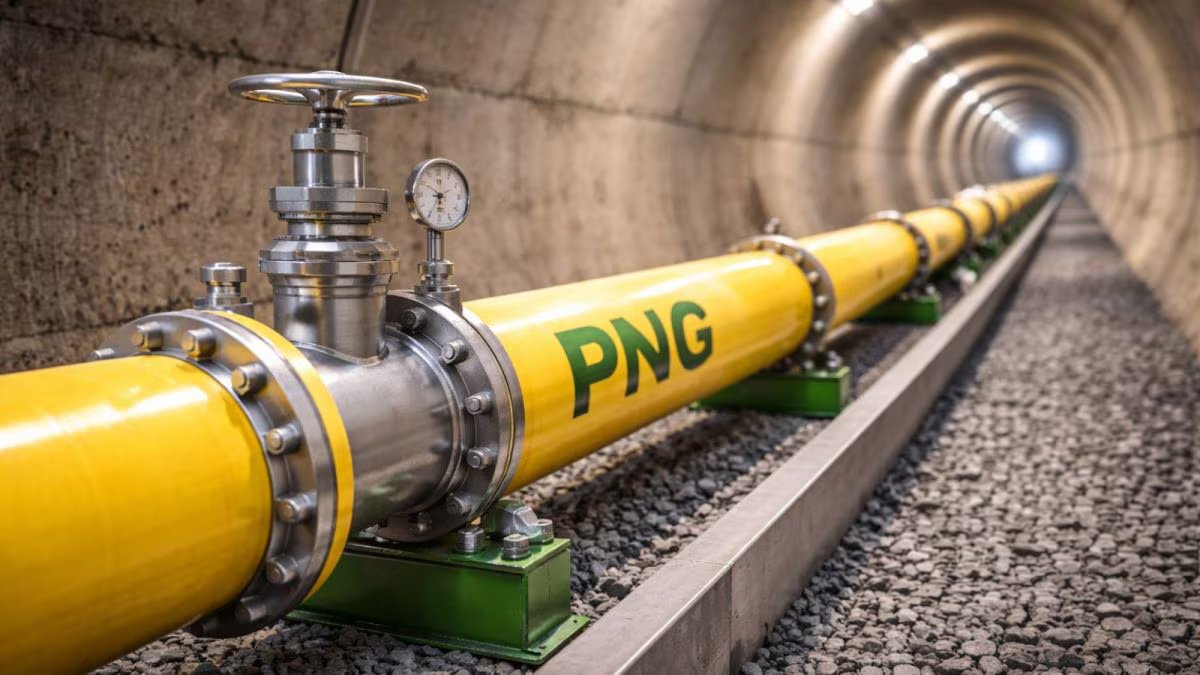
Industrial stakeholders in Nagpur’s Hingna MIDC have begun reviewing the progress of a city gas distribution network intended to supply piped natural gas to factories in the area, a development expected to reshape energy use across one of the region’s largest manufacturing clusters. The discussions focused on the rollout of the Hingna MIDC PNG rollout, a project aimed at expanding cleaner industrial fuel infrastructure. Industry representatives and infrastructure officials recently assessed the status of pipeline installation, connectivity timelines, and operational readiness for supplying piped natural gas (PNG) to manufacturing units operating in the industrial estate. The initiative is part of a broader push to expand gas-based energy systems in industrial zones as cities transition toward lower-emission fuel sources.
The Hingna MIDC PNG rollout is expected to offer industries an alternative to conventional fuels such as furnace oil, diesel, and liquefied petroleum gas. Piped natural gas typically provides more stable pricing, improved efficiency in industrial processes, and lower carbon emissions compared with many traditional industrial fuels. Energy infrastructure experts say the availability of piped natural gas can significantly influence the competitiveness of industrial zones. Continuous gas supply through pipelines reduces the logistical challenges associated with transporting fuel cylinders or tanker deliveries, allowing factories to maintain uninterrupted operations. Hingna MIDC hosts a diverse mix of manufacturing units, including engineering firms, fabrication workshops, and small-scale production facilities. As energy demand continues to grow in the cluster, the Hingna MIDC PNG rollout is expected to support both operational efficiency and environmental compliance. Industrial associations note that access to cleaner fuels is becoming increasingly important as regulatory frameworks evolve and industries face greater pressure to reduce emissions. Natural gas, while still a fossil fuel, produces fewer pollutants than many conventional industrial energy sources and is often considered a transitional fuel during the shift toward greener manufacturing. Urban infrastructure planners also emphasise that energy networks play a critical role in shaping sustainable industrial ecosystems. Integrating gas distribution infrastructure within industrial zones can help cities reduce local air pollution while supporting stable economic activity. The Hingna MIDC PNG rollout is also aligned with India’s broader strategy to expand the share of natural gas in the national energy mix. Expanding city gas distribution networks into industrial and residential areas has been identified as a key policy priority aimed at improving energy efficiency and reducing reliance on more polluting fuels. Industry participants involved in the review indicated that coordination between industrial associations, gas distribution companies, and local authorities will be essential to ensure that pipeline connections reach a large number of units within the industrial estate.
Experts say that if implemented effectively, the gas network could improve environmental performance across the Hingna industrial cluster while strengthening Nagpur’s position as a growing manufacturing and logistics hub. As the project progresses, stakeholders are expected to continue monitoring infrastructure readiness and connection timelines. The success of the Hingna MIDC PNG rollout may ultimately influence how other industrial zones across central India adopt cleaner energy solutions to support sustainable industrial growth.
ALSO READ – Nagpur Business District Land Cost Crosses Four Thousand Crore
Nagpur Hingna MIDC PNG Rollout Reviewed By Industry
