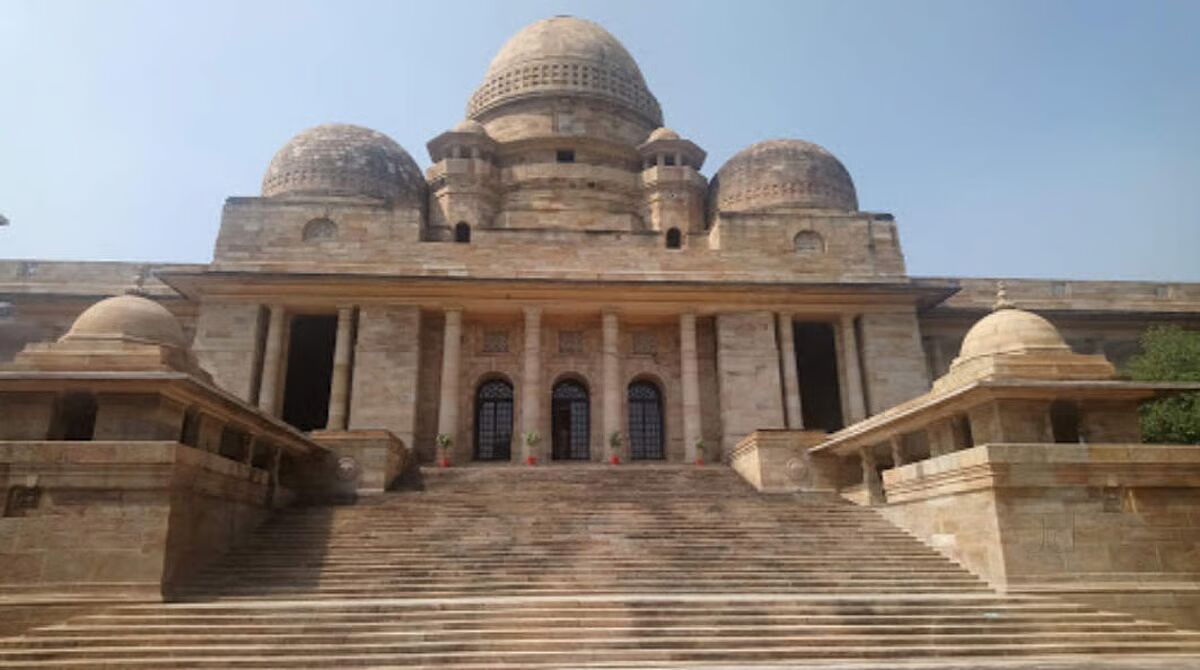
The Nagpur bench of the Bombay High Court has called for a detailed roadmap and cost estimate for repairing its ageing historic structure, highlighting growing judicial insistence on accountability and heritage conservation in urban infrastructure management. The move could reshape how civic authorities prioritise preservation alongside functional upgrades in the city’s civic precinct. During hearings this week, the division bench directed the state’s archaeology department to file an affidavit specifying estimated repair expenditure, clear procedural steps for securing necessary approvals and identification of responsible authorities and stakeholders. The building, a vestige of British‑era architecture that has housed judicial workrooms for decades, is now firmly on the restoration agenda. Judicial concern stems not only from the deteriorating physical condition of the structure but also from historically lax maintenance practices that have left limited clarity on financial planning and administrative ownership. Analysts say this reflects an emerging judicial emphasis on data‑driven capital planning for public buildings, especially those with civic and cultural value.
Urban conservation specialists note that heritage buildings, while symbols of civic identity, frequently pose challenges in retrofit and repair due to outdated documentation, ambiguous chain of approvals, and high restoration costs. Without a granular cost and approval plan, officials risk delays or piecemeal works that undermine structural integrity or inflate budgets. Nagpur’s civic leadership now needs to balance fiscal prudence with technical conservation standards, experts add. The court’s insistence on filing a comprehensive affidavit also underscores a broader governance trend linking transparency with accountability in urban infrastructure decision‑making. By requiring clear timelines, cost estimates and responsible actors, the bench aims to pre‑empt implementation bottlenecks often seen in public building projects — from stadium renovations to civic halls and heritage sites.For Nagpur’s urban ecosystem, the decision has multiple implications. Beyond judicial use, the historic High Court building is part of the city’s heritage landscape, adjacent to key civic nodes and public spaces. Its restoration could influence local property markets, support tourism circuits, and inform future planning of judicial and government facilities in the region — particularly as authorities pursue new infrastructure projects, including courts and administrative complexes.
City planners and heritage bodies say that securing robust cost estimates and procedural pathways is the first step toward mobilising funds and technical teams. It also sets a precedent for how other iconic structures — from colonial‑era civic halls to old post office buildings — are appraised and maintained.For citizens and stakeholders in Nagpur, the court’s directive offers a rare window into how judicial oversight can shape infrastructure outcomes. The next submission deadline and subsequent monitoring will likely determine whether the historic building’s preservation becomes a model of collaborative governance or another stalled project in the city’s stretch of ambitious urban development plans.