


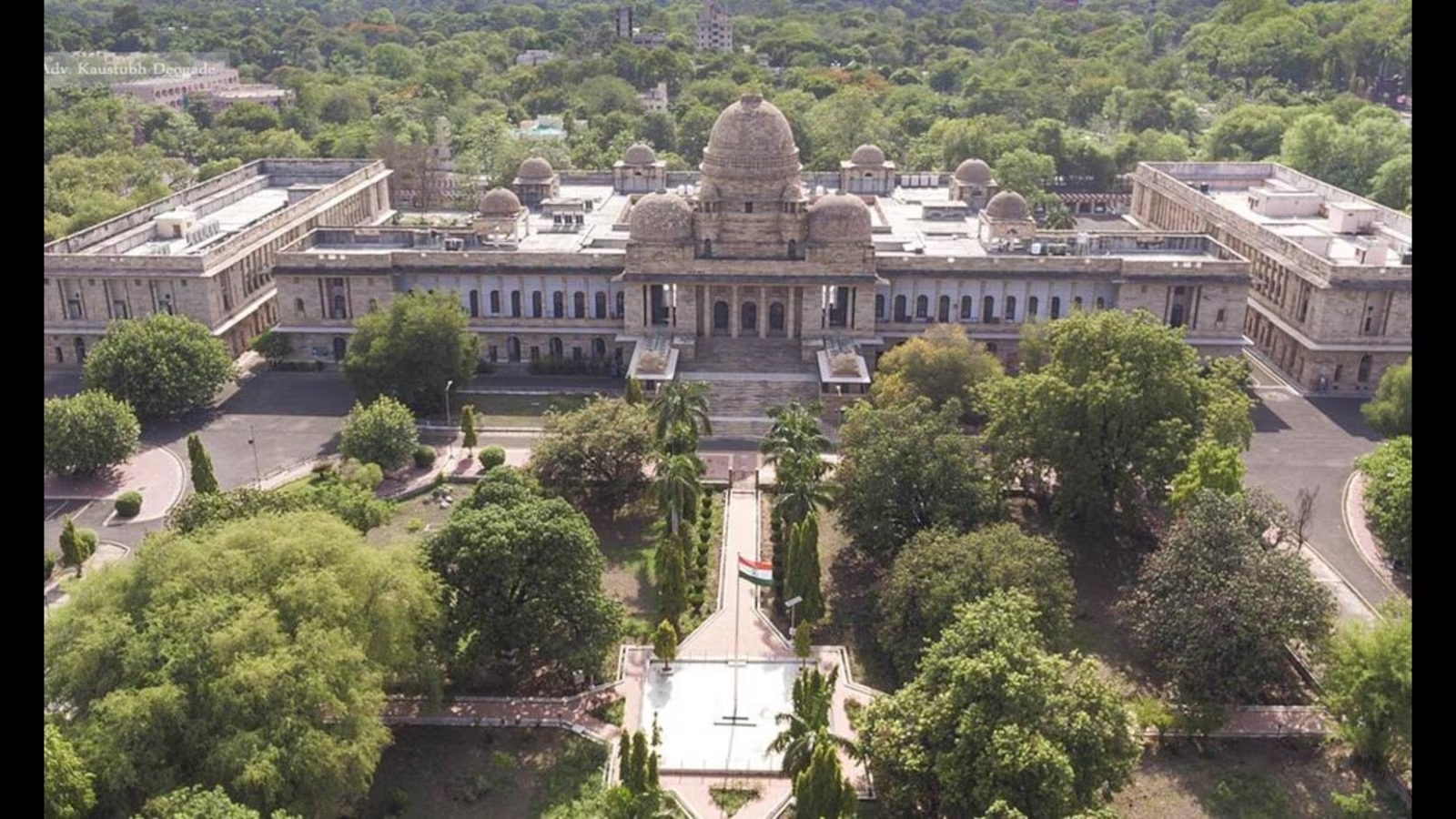
The Nagpur bench of a major High Court has significantly expanded its intervention in civic matters by initiating multiple suo motu public interest litigations (PILs) based on reported urban issues, signalling a growing judicial role in addressing governance gaps across the region. The move reflects an evolving mechanism where courts step in to examine systemic failures impacting public welfare. These suo motu PILs, triggered by documented concerns in areas such as infrastructure, environmental management, and public services, indicate increasing reliance on judicial oversight when administrative responses are perceived to be delayed or inadequate. Legal experts note that such interventions often act as catalysts, prompting authorities to prioritise long-pending issues.
Urban governance specialists suggest that the rise in court-led scrutiny points to structural challenges in city management. Rapid urbanisation, combined with capacity constraints in local administrations, has led to gaps in service delivery, enforcement, and regulatory compliance. Judicial monitoring, while not a substitute for governance, can accelerate corrective action in critical areas. The Nagpur High Court PILs also highlight the intersection between law and urban development. Issues related to water supply, waste management, road safety, and environmental protection frequently come under judicial review, reflecting their direct impact on quality of life. Courts, in such cases, serve as an additional layer of accountability, ensuring that statutory obligations are met. From a policy perspective, the trend raises important questions about institutional balance. While judicial intervention can drive short-term improvements, experts caution that sustainable urban development requires stronger administrative systems, clearer accountability frameworks, and proactive governance rather than reactive measures. There is also a broader civic dimension. The use of publicly reported issues as the basis for legal action underscores the role of media and civil society in highlighting urban challenges. It demonstrates how information flows can influence policy attention and lead to formal scrutiny of governance practices. At the same time, frequent judicial involvement can strain administrative processes, as agencies must allocate resources to compliance and reporting. This can create a dual dynamic — improving accountability while also highlighting the need for better coordination and planning within government systems. From an environmental and sustainability standpoint, judicial oversight has often played a key role in enforcing regulations related to pollution control, land use, and resource management. The current developments suggest that courts will continue to be active in areas where urban growth intersects with ecological concerns.
As cities like Nagpur expand, the effectiveness of governance systems will be increasingly tested. The rise in suo motu PILs indicates both heightened awareness of civic issues and the need for more responsive administrative frameworks. Going forward, strengthening institutional capacity and ensuring timely action on urban challenges could reduce the need for judicial intervention, allowing courts to focus on adjudication while governance systems deliver consistent and equitable outcomes for citizens.
ALSO READ – Nagpur Wildlife Overpasses Proposed For Safer Highway Corridors
Nagpur High Court Pils Highlight Urban Governance Gaps
