Nagpur High Court Demands Action On Citywide Traffic And Parking Chaos
Nagpur — The Nagpur Bench of the Bombay High Court has escalated scrutiny of the city’s urban management failures, sharply criticising the persistence of unauthorised constructions, illegal parking and worsening congestion across multiple neighbourhoods.
The court’s observations puncture civic assurances that municipal and traffic authorities are tackling longstanding infrastructure challenges, underscoring deeper governance gaps that affect mobility, public safety and equitable use of urban space. During a hearing, justices stressed that unlawful building activity and commercial misuse of parking spaces — particularly around hospitals and busy localities such as Dhantoli, Congress Nagar and Ramdaspeth — are not isolated issues but widespread urban problems needing systemic enforcement. The bench questioned why violators have largely escaped stringent penalties and why municipal and police officials have not pursued corrective measures with sufficient urgency. The court referenced an earlier committee report it had commissioned, which documented extensive rule breaches and recommended that fines be levied at commercial rates against offending properties for at least one year.
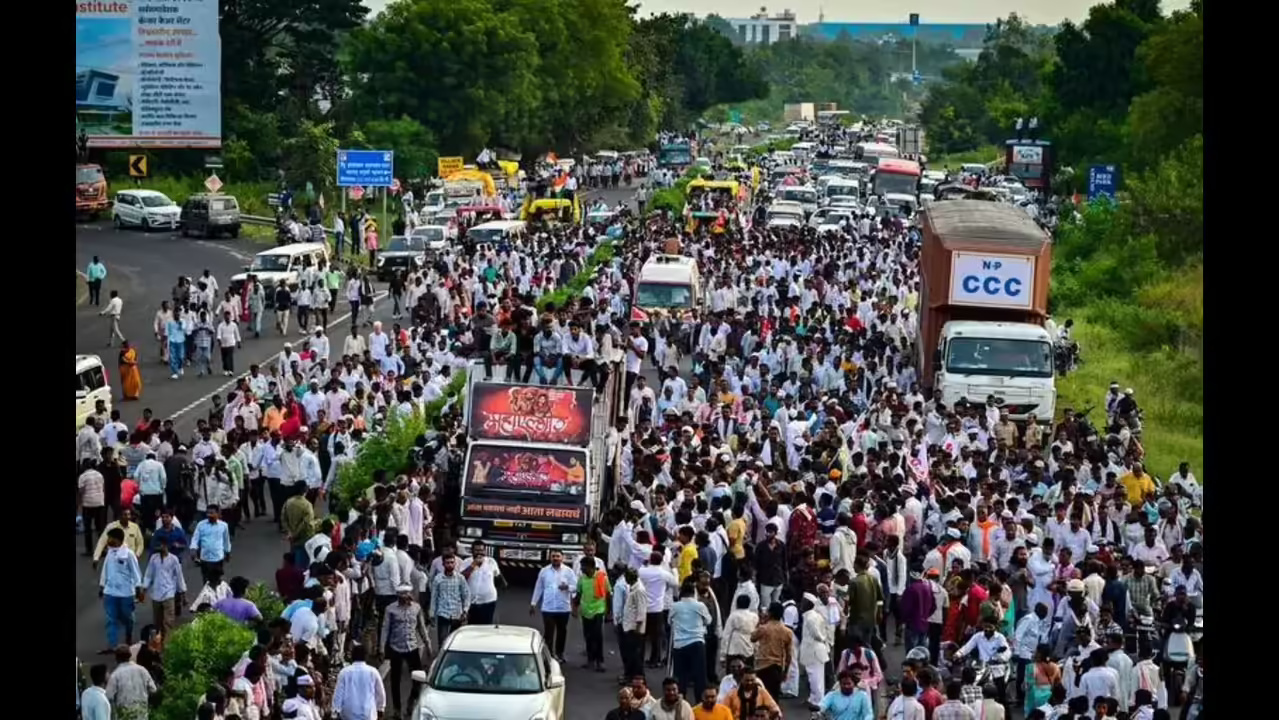
However, authorities have yet to implement most of these recommendations, prompting the bench to call for more robust action. Traffic inspectors and civic advocates have emphasised that parking misuse directly contributes to congestion on arterial streets. Vehicles parked on both sides turn one-way roads into de facto two-way corridors, disrupting flows and increasing delays for commuters and public transport users alike. Enforcing designated parking zones and reclaiming road space are seen by planners as essential to improving mobility and safety — especially for vulnerable users such as pedestrians, seniors and patients accessing nearby healthcare facilities. In response to the High Court’s directions, a senior advocate was appointed to inspect the Dhantoli area and report back on ground realities. His observations confirmed that prescribed traffic rules and no-parking orders are flagrantly ignored despite official mandates, revealing a gap between policy and practice.
The court’s rebuke extended to local authorities’ affidavits — which had claimed progress on decongestion — with the bench questioning both municipal and traffic police leadership about potential disciplinary action for misleading submissions. It also suggested issuing show-cause notices to entities misusing parking areas, including healthcare institutions that fail to provide required spaces, which aligns with national urban planning norms designed to safeguard civic functionality. Urban planners note that unchecked development and parking encroachment erode public infrastructure performance, multiplying congestion costs and undermining urban liveability. These impacts are disproportionately borne by the elderly, commuters and lower-income residents who depend on reliable road networks and predictable access to services. Strategic enforcement, coupled with expanded regulated parking and multi-modal transport alternatives, is increasingly recommended to counterbalance informal urban practices that degrade shared spaces.
The High Court has scheduled further hearings and directed officials to provide clear action plans. As Indian cities like Nagpur confront rapid densification, the episode highlights the need for transparent governance frameworks that translate planning mandates into enforceable urban outcomes — from authorised construction controls to structured parking systems that support equitable mobility.