


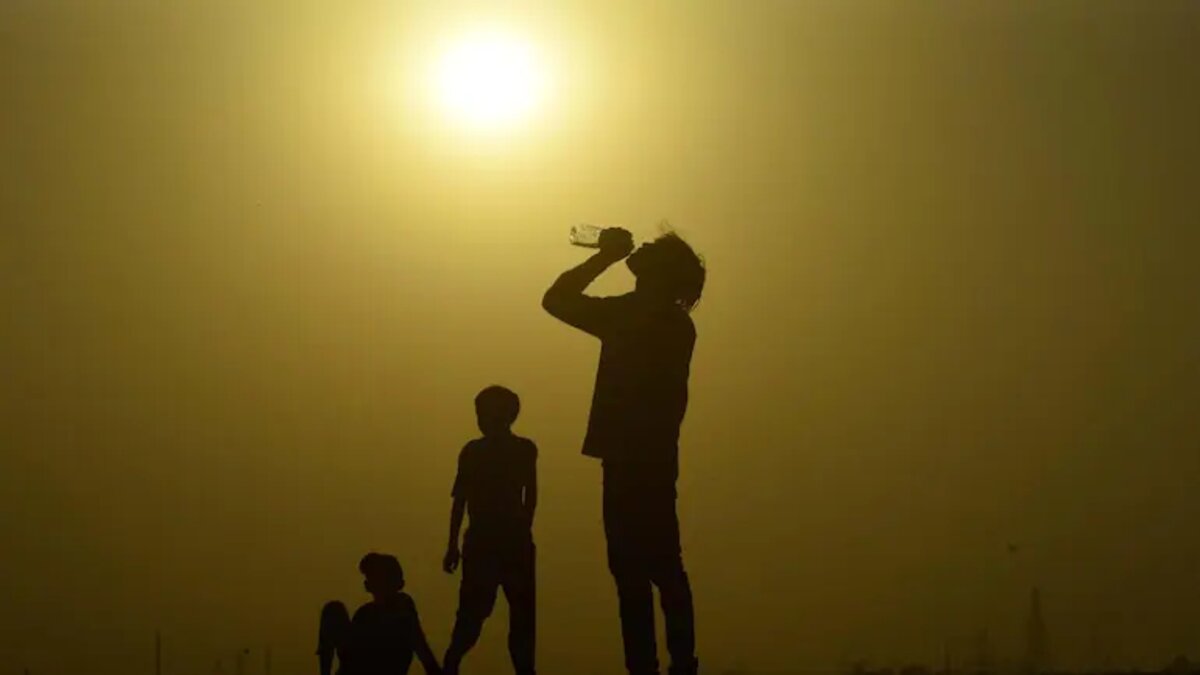
Nagpur is experiencing an early surge in summer temperatures even as the city’s planned Nagpur heat mitigation plan remains caught in an administrative transition, raising concerns about preparedness for increasingly intense heat waves. Urban climate experts warn that delays in implementing protective measures could leave vulnerable populations exposed during one of the hottest periods of the year. Officials involved in municipal planning say the Nagpur heat mitigation plan was intended to outline a coordinated strategy for reducing heat risks across the city. Such plans typically include measures like expanding shaded public spaces, increasing water availability in high-temperature zones, issuing public health advisories and improving emergency response systems during extreme heat events.
However, with the plan still awaiting final operational rollout, several initiatives designed to reduce urban heat exposure have not yet been implemented. The delay comes as temperatures begin climbing earlier than usual, a pattern that climate researchers say is becoming more common in many Indian cities. Nagpur has historically recorded some of the highest summer temperatures among major urban centres in India. Its inland location and rapid urbanisation contribute to the urban heat island effect, where dense built environments absorb and retain heat, making cities significantly warmer than surrounding rural areas. Urban planners note that the Nagpur heat mitigation plan is particularly important for neighbourhoods with limited tree cover and dense housing. Residents in informal settlements, outdoor workers and elderly populations often face the greatest health risks during extreme heat conditions. Climate adaptation specialists emphasise that effective heat action strategies require coordination across multiple civic departments. Public health agencies, water utilities, urban forestry teams and disaster management units must work together to ensure timely interventions such as cooling shelters, hydration points and heat advisories. Many cities across India have begun developing comprehensive heat action plans following severe heat waves in recent years. These strategies typically combine short-term emergency measures with longer-term urban design solutions, including reflective building materials, expanded green spaces and improved ventilation corridors within city layouts. Experts say the Nagpur heat mitigation plan could play a crucial role in strengthening the city’s climate resilience as extreme heat events become more frequent due to global warming. Rising temperatures not only affect public health but also influence energy demand, water consumption and urban productivity. Infrastructure planners highlight that heat-resilient cities require proactive urban design. Increasing tree canopy coverage, protecting urban water bodies and integrating climate-sensitive architecture into building regulations can significantly reduce heat exposure across densely populated areas.
For residents and workers exposed to the city’s rising temperatures, the timely activation of mitigation measures is essential. Public awareness campaigns, access to drinking water and emergency health services are often the first line of defence during heat waves. As Nagpur continues to expand its urban footprint, adapting to climate extremes will become a central challenge for city governance. Completing and implementing the Nagpur heat mitigation plan may therefore determine how effectively the city protects its residents while building a more climate-resilient urban environment for the future.
ALSO READ – Nagpur Solar Manufacturing Investment Reshapes Clean Industry
Nagpur Heat Mitigation Plan Delay Raises Climate Concerns
