


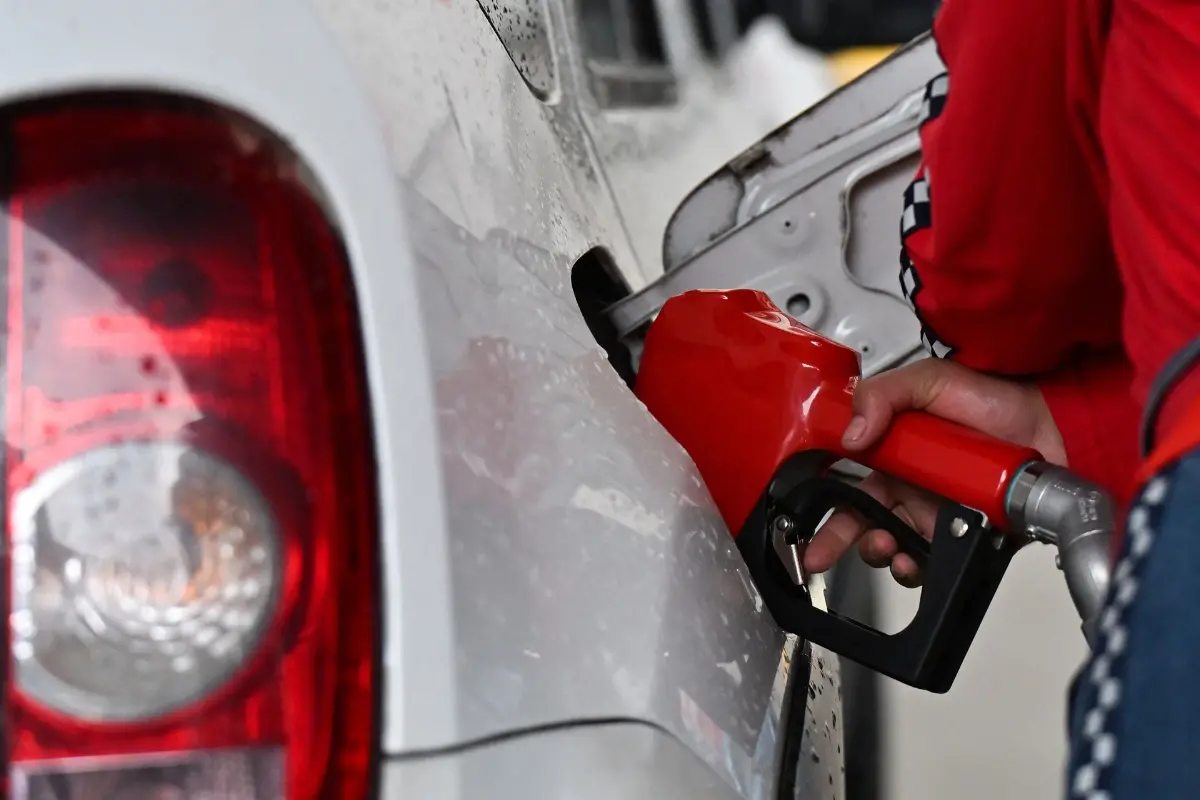
Fuel supply across Nagpur is returning to normal after several days of disruption, with most petrol pumps resuming operations and panic buying subsiding. The easing of the situation marks a recovery from a week that saw widespread shortages, long queues, and disruptions to daily mobility across the city. Field assessments across multiple locations indicate that the majority of fuel stations are now functioning with regular supply levels. Consumer behaviour has also stabilised, with motorists shifting back to routine refuelling patterns instead of stockpiling.
The Nagpur fuel supply stabilisation follows a period of acute stress triggered by a combination of logistical constraints and demand spikes. Earlier in the week, several petrol pumps ran dry as fuel deliveries slowed due to changes in payment systems and reduced depot operating hours. At the same time, rumours of a shortage led to panic buying, rapidly depleting available stocks and intensifying the crisis. As supply chains have begun to normalise, the pressure on retail outlets has eased. Authorities have indicated that delayed replenishments are now reaching affected pumps, and remaining closures are largely temporary. In a few pockets of the city, particularly in high-demand areas, some outlets are still recovering from earlier stock depletion but are expected to resume operations shortly. However, the episode has exposed structural vulnerabilities in urban fuel distribution systems. The sudden withdrawal of credit facilities by oil companies disrupted the working capital cycle for petrol pump operators, making it difficult to procure fresh stock on time. Combined with restricted depot timings, this created bottlenecks in supply even though overall fuel availability was not critically low. The crisis also had immediate impacts on urban mobility. Public and private transport services were affected, with reports of delays, route disruptions, and increased operational costs for logistics providers. In some cases, fuel shortages extended beyond petrol to diesel, raising concerns among bus operators and freight services about continuity of operations. Urban experts note that such disruptions highlight the importance of resilient and transparent supply systems in rapidly growing cities. Fuel remains a critical enabler of economic activity, particularly in cities like Nagpur where road-based transport dominates. Even short-term shortages can cascade into broader impacts on commuting, goods movement, and service delivery. The Nagpur fuel supply stabilisation also underscores the role of public communication in managing urban crises. Authorities have urged citizens to avoid panic buying, noting that demand spikes—rather than actual shortages—were a key driver of the disruption. As consumption patterns normalise, the system is expected to stabilise further in the coming days.
Looking ahead, the focus will be on preventing similar disruptions through better coordination between oil companies, dealers, and local administrations. Ensuring predictable supply mechanisms, maintaining buffer stocks, and improving real-time information flow could help cities respond more effectively to sudden shocks. As Nagpur returns to normalcy, the episode serves as a reminder that urban resilience depends not just on infrastructure capacity, but on the reliability and adaptability of the systems that sustain everyday life.
ALSO READ – Nagpur Convention Centre Near Completion With Key Facilities
Nagpur Fuel Supply Stabilises After Days Of Disruption
