


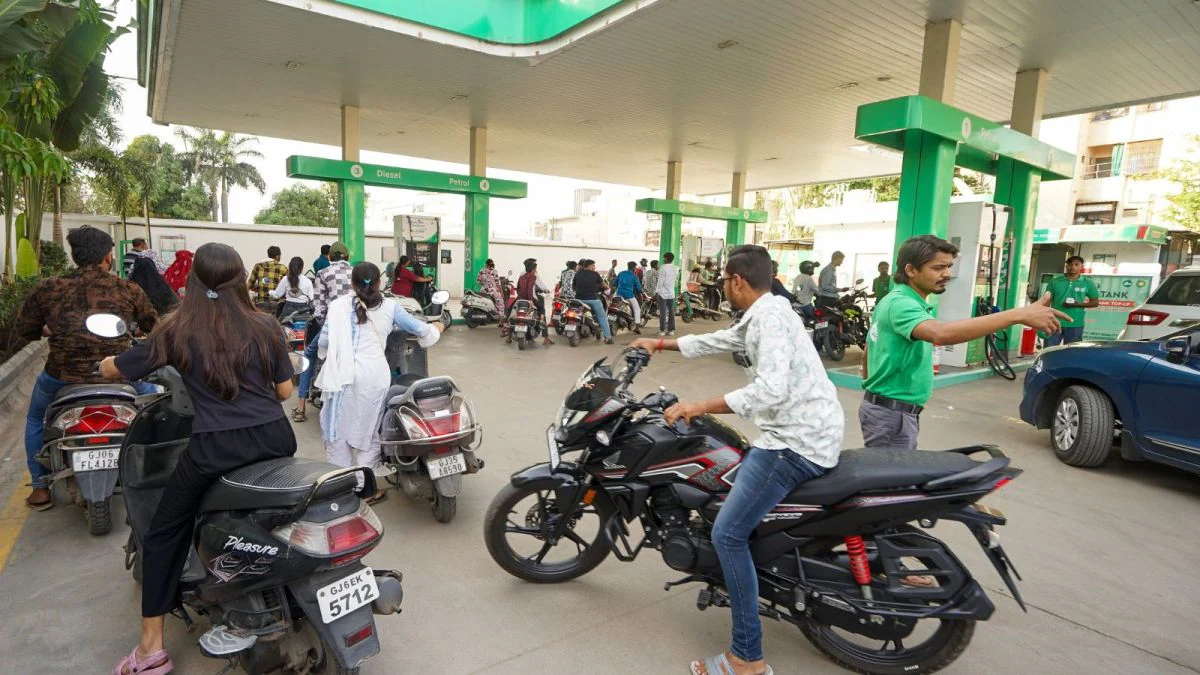
Authorities in Nagpur have moved to reassure residents that fuel supplies remain stable, even as a sudden surge in demand led to long queues at petrol stations across parts of the city. The advisory comes amid heightened public anxiety triggered by broader supply concerns in other regions, underscoring the sensitivity of urban energy systems to perception-driven demand spikes. Officials monitoring distribution networks stated that the Nagpur fuel availability situation remains under control, with no structural shortage in supply. The rush at fuel outlets is being attributed largely to precautionary buying behaviour, rather than an actual disruption in deliveries.
Urban infrastructure experts note that such episodes are common in tightly coupled supply systems, where consumer sentiment can rapidly influence demand patterns. The Nagpur fuel availability situation highlights how misinformation or uncertainty can strain otherwise stable supply chains, leading to temporary congestion and localised shortages at retail points. The impact extends beyond fuel stations. Sudden spikes in demand can disrupt urban mobility, as vehicles queue for refuelling, causing congestion and delays on nearby roads. For logistics and delivery services, such disruptions can affect schedules and operational efficiency, particularly in densely populated areas. Authorities have emphasised the importance of maintaining normal consumption patterns, indicating that supply chains are functioning as expected. Industry observers suggest that clear and timely communication is critical in such situations to prevent panic-driven behaviour that can exacerbate pressure on infrastructure. The Nagpur fuel availability episode also brings attention to the broader resilience of urban energy systems. While the city’s supply remains stable, its dependence on external fuel sources makes it vulnerable to disruptions elsewhere. Experts argue that diversifying energy sources and strengthening storage capacity can help cities better absorb shocks. There are also environmental considerations. Panic buying often results in unnecessary vehicle movement and idling, contributing to higher emissions and localised air pollution. In the longer term, reducing reliance on fossil fuels through public transport and electric mobility can improve both sustainability and resilience. From a governance perspective, the situation highlights the importance of coordination between oil companies, local authorities, and transport agencies. Ensuring consistent supply, monitoring demand patterns, and communicating effectively with the public are key to maintaining stability in essential services.
Looking ahead, officials expect normalcy to return as public concerns ease and consumption patterns stabilise. However, the episode serves as a reminder that urban systems are influenced as much by perception as by physical supply. As Nagpur continues to grow, building robust and transparent energy distribution systems will be essential to support economic activity, maintain public confidence, and ensure smooth urban functioning.
ALSO READ – Nagpur Dabha Road Hazards Raise Commuter Safety Concerns
Nagpur Fuel Availability Reassured Amid Panic Buying
