


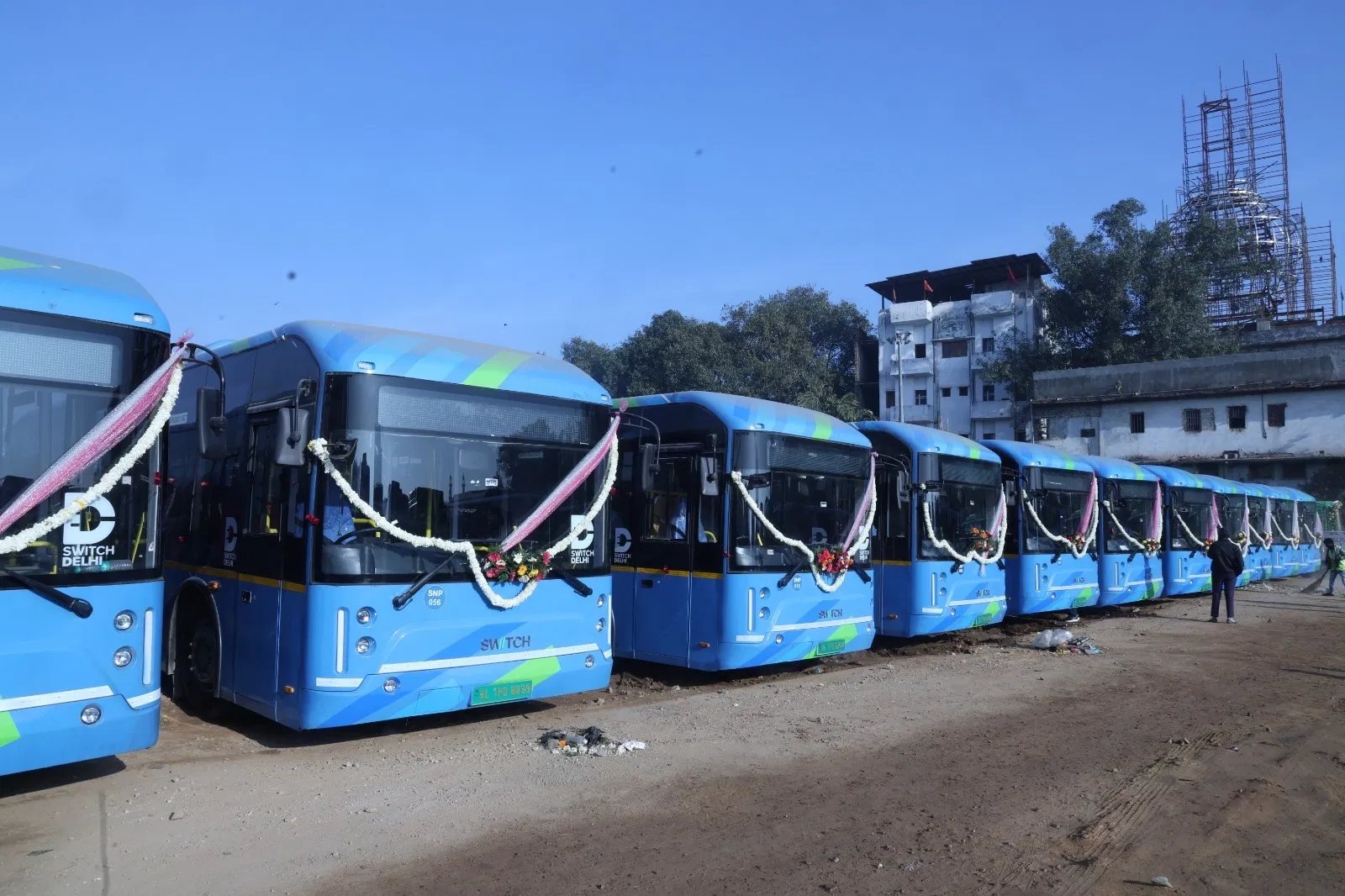
Nagpur’s public transport network is moving closer to a major upgrade with the selection of a preferred bidder for a new fleet of articulated electric buses, signalling a shift toward cleaner and higher-capacity urban mobility systems. The proposed procurement is expected to strengthen mass transit options while reducing the city’s reliance on conventional diesel-powered buses. Municipal officials confirmed that a leading automotive manufacturer has emerged as the lowest bidder for the project, which involves supplying articulated electric buses designed to carry larger passenger volumes. The Nagpur electric bus project is part of the city’s broader strategy to modernise its public transport infrastructure and improve service efficiency.
Articulated buses, characterised by their extended length and flexible joint structure, are capable of accommodating significantly more passengers than standard buses. Urban transport planners say such vehicles are particularly suited for high-demand corridors where conventional buses struggle to handle peak-hour traffic. The Nagpur electric bus project also aligns with national and state-level initiatives promoting electric mobility as a means to reduce urban air pollution and carbon emissions. Electric buses produce no tailpipe emissions, making them an important component of sustainable urban transport systems. Transport economists note that upgrading bus fleets is one of the most effective ways to improve public transport in rapidly growing cities. High-capacity buses can reduce congestion by shifting commuters away from private vehicles, particularly when integrated with other transport modes such as metro rail and suburban transit. Nagpur has been expanding its public transport network in recent years, including investments in metro rail corridors and bus services. The addition of articulated electric buses could further enhance connectivity across major routes, improving accessibility for residents and reducing travel times. The Nagpur electric bus project is also expected to support the development of supporting infrastructure, including charging stations and maintenance facilities. Building such infrastructure is essential for ensuring reliable operations of electric bus fleets. Urban planners emphasise that successful adoption of electric buses depends on careful route planning, efficient scheduling and integration with existing transport systems. Dedicated bus lanes, real-time passenger information systems and improved last-mile connectivity can maximise the benefits of such investments. From an environmental perspective, the transition to electric buses contributes to climate-resilient urban development by lowering greenhouse gas emissions and improving air quality. Cities adopting clean transport solutions are better positioned to meet sustainability goals while enhancing quality of life for residents. The Nagpur electric bus project also reflects the growing role of domestic manufacturing in India’s electric mobility sector. As demand for electric vehicles increases, local production of buses and components is expected to strengthen industrial ecosystems and create employment opportunities.
Authorities are expected to move forward with contract finalisation and implementation timelines in the coming months. Once operational, the new fleet could play a key role in transforming Nagpur’s public transport landscape. For the city, the project represents a step toward building a more efficient, accessible and environmentally sustainable mobility system. As urban populations continue to grow, investments in high-capacity, low-emission transport solutions will remain central to shaping the future of urban mobility.
ALSO READ – Indore Waste Model Helps Depalpur Clear Landfill Backlog
Nagpur Electric Bus Project Advances With New Bid
