Nagpur Demolitions Signal Infrastructure Pressure on SAI Land
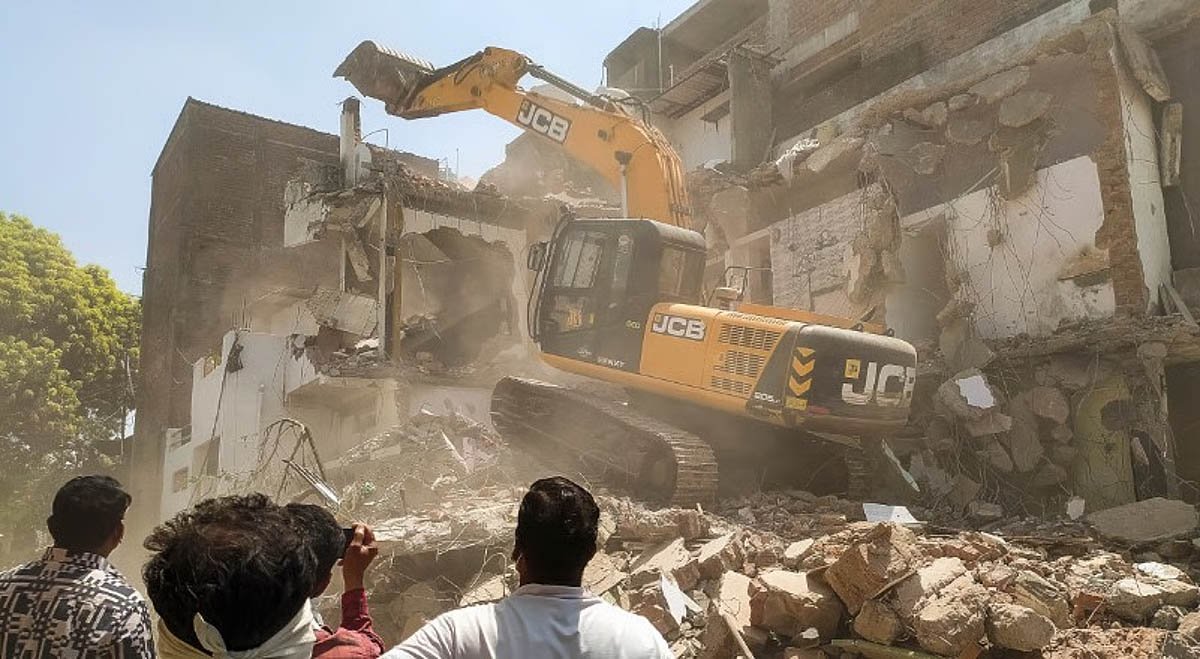
The Nagpur Municipal Corporation (NMC) this week began clearing unauthorised structures from land earmarked for a 140-acre Sports Authority of India (SAI) regional centre, demolishing 18 tin-sheet constructions amid local resistance and legal stays. The action exposes the deepening friction between urban infrastructure planning and informal settlements — a challenge for equitable land use and long-term city development.
The demolition drive, supported by a heavy police presence, took place on roughly 87.25 acres behind Symbiosis College in Wathoda and Tarodi (Khurd), part of a larger parcel scheduled for handover to SAI for elite sports infrastructure. Enforcement teams deployed earth-moving machinery and civic staff early in the morning, targeting encroachments on land already served eviction notices. Six residents temporarily halted demolition of their properties through court stays, illustrating legal complexities that often slow formal development processes.Urban planners say the Nagpur episode reflects a broader challenge in Indian cities: converting urban land into strategic infrastructure while balancing rights and livelihoods of vulnerable settlers. Such tensions are especially acute when proposed facilities — like a national-level sports campus — promise long-term public benefits but immediate displacement for local occupants. Experts argue that infrastructure ambitions must be paired with inclusive resettlement strategies to avoid exacerbating social invisibility among low-income communities.
The SAI project was conceived over a decade ago, with agreements signed as early as 2016 to develop a regional centre of excellence in the city’s periphery. Yet, until now, only boundary walls have marked the site, and encroachments proliferated in the intervening years. Records show that an earlier rezoning effort transferred nearly 87.25 acres to the national sports body, but remaining encroachments across the larger 140-acre area had stalled substantive construction.Housing advocates emphasise that anti-encroachment operations must be accompanied by detailed due-process safeguards. In densely populated urban regions such as Nagpur, informal housing frequently arises from chronic shortages of affordable dwellings and gaps in planned supply. Without parallel interventions for relocation, vacated occupants risk slipping into deeper precarity, undermining both social equity and sustainable urban growth.
There are also urban design implications. The SAI centre, if realised, could add significant recreational and health infrastructure to Nagpur — a city seeking diversified public amenities beyond its core commercial zones. However, successful integration of such facilities hinges on transparent land-use governance and proactive stakeholder engagement. Civic authorities face the complex task of balancing procedures that legitimise development while safeguarding human rights.City officials say the current phase will clear sparsely populated sections of the site, while a subsequent phase will address about 54 acres located in more heavily settled neighbourhoods. That next stage could intensify public resistance and legal disputes, underscoring the need for city planners to strengthen resettlement frameworks and participatory planning mechanisms.
Nagpur’s action field test for how rapidly expanding interior cities can manage the competing demands of land justice, civic infrastructure, and socioeconomic inclusion — a balancing act at the heart of sustainable urban futures.