


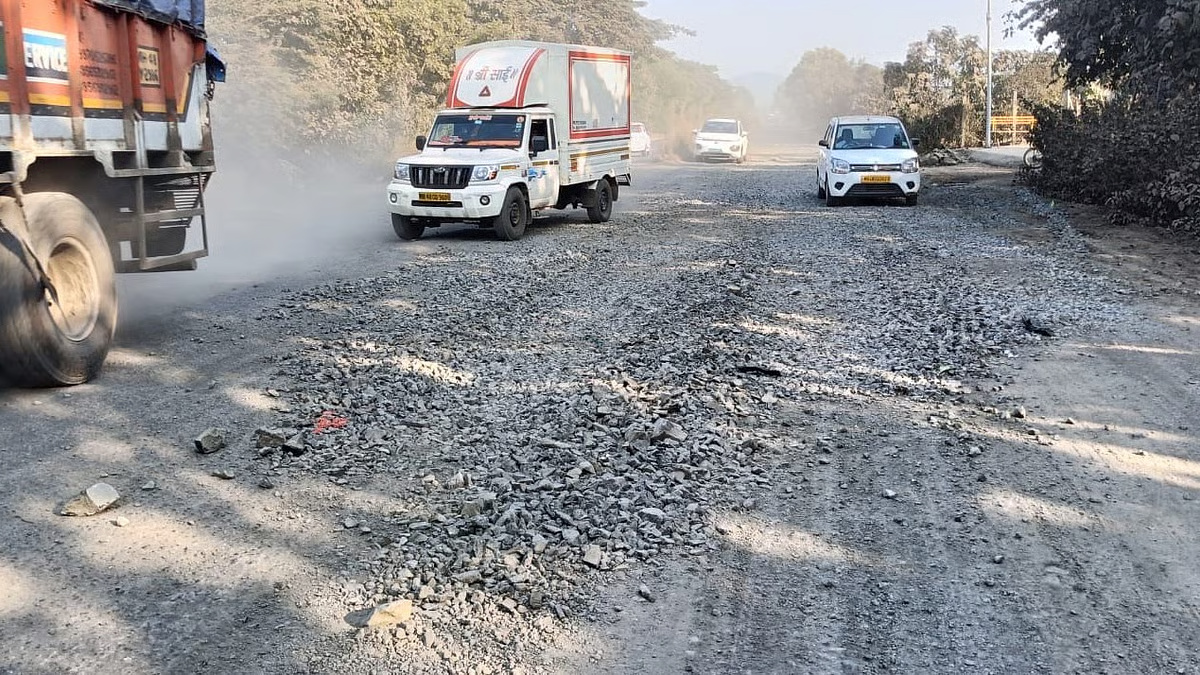
Nagpur’s Dabha corridor has emerged as a growing safety concern, with deteriorating road conditions and inadequate lighting turning a key commuter route into a high-risk stretch. The situation has intensified calls for urgent intervention as traffic volumes increase across the city’s expanding urban fringe. The Nagpur Dabha road hazards are being linked to a combination of poor surface quality, damaged sections, and insufficient street lighting. Commuters using the stretch report difficulty navigating uneven patches, particularly at night, when visibility is significantly reduced. These conditions have contributed to a rise in accidents, prompting concerns about infrastructure maintenance and planning priorities.
Urban mobility experts note that such risks are often concentrated in rapidly developing areas where road infrastructure has not kept pace with growth. As new residential layouts and commercial activities emerge along peripheral corridors, traffic density rises without corresponding upgrades in road design or safety features. The Nagpur Dabha road hazards reflect this imbalance between expansion and infrastructure readiness. Officials involved in urban infrastructure management indicate that maintenance challenges, coordination gaps, and delayed upgrades have contributed to the current state of the road. However, planners argue that high-traffic corridors should be subject to regular safety audits and prioritised for repairs, especially when accident patterns begin to emerge. The issue also underscores the importance of basic road design elements. Adequate lighting, clear lane markings, drainage systems, and signage are critical for safe mobility. In their absence, even moderately busy roads can become dangerous, particularly for two-wheeler riders and pedestrians who are more vulnerable to sudden surface changes. There are broader economic and social implications. Unsafe road conditions can disrupt daily commuting, increase travel time, and affect access to workplaces, schools, and essential services. For logistics and service providers, unreliable routes can add to operational costs and reduce efficiency. From a sustainability perspective, poorly maintained roads can lead to congestion and increased emissions, as vehicles slow down or take longer routes to avoid damaged sections. Integrating road maintenance with long-term urban mobility planning can help address both safety and environmental concerns. The Nagpur Dabha road hazards also highlight issues of urban equity. Peripheral areas, often home to middle- and lower-income populations, tend to receive delayed infrastructure upgrades compared to city centres. Ensuring consistent service standards across all parts of the city is essential for inclusive development.
Experts suggest that resolving the situation will require a combination of immediate repairs and long-term planning. Quick fixes such as resurfacing and improved lighting can reduce immediate risks, while comprehensive redesign and capacity upgrades can address underlying issues. As Nagpur continues to expand, maintaining safe and reliable road infrastructure will be central to supporting economic activity, improving quality of life, and building a resilient urban transport network.
ALSO READ – Bengaluru Drives Growth In First Time Homebuyers
Nagpur Dabha Road Hazards Raise Commuter Safety Concerns
