


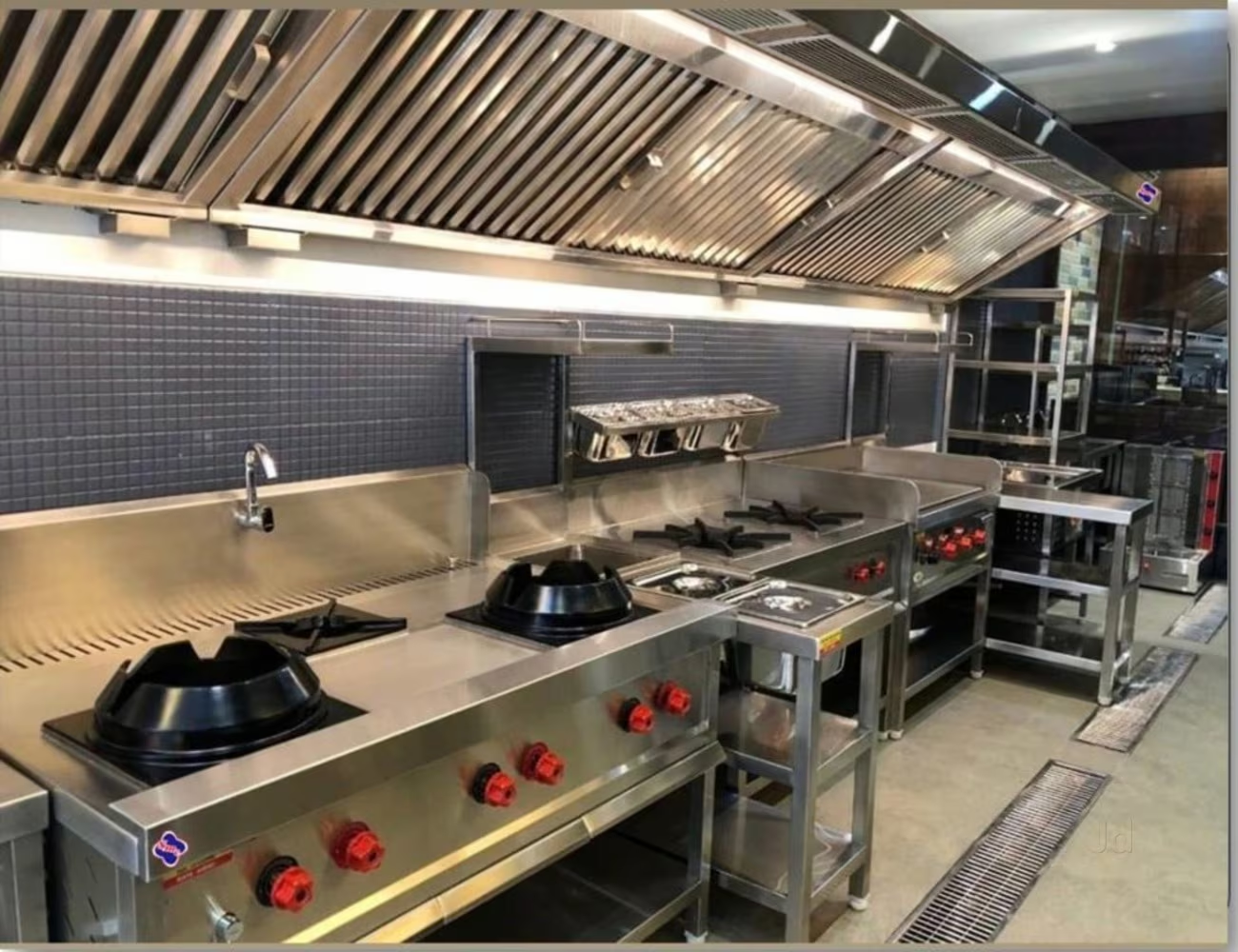
A shortage of commercial cooking gas is beginning to strain Nagpur’s fast-growing online food ecosystem, with several delivery-focused kitchens struggling to maintain operations as fuel supplies tighten. Operators of app-based kitchens say the coming week will be crucial in determining whether services can continue smoothly or face reduced capacity. The pressure is being felt most strongly among businesses built entirely around online orders. Unlike traditional restaurants that may have multiple cooking setups, many delivery-only outlets rely heavily on LPG cylinders to run compact, high-volume kitchens. As the Nagpur cloud kitchen LPG shortage persists, operators are scrambling to secure alternative supplies or adjust their menus to stay operational.
Industry insiders say commercial cylinders are becoming harder to obtain, forcing kitchens to ration fuel usage or temporarily suspend certain dishes that require longer cooking times. Some operators have started limiting menu options, prioritising items that can be prepared quickly and with lower gas consumption. The Nagpur cloud kitchen LPG shortage highlights the fragile energy backbone behind urban food delivery networks. Cloud kitchens have emerged as a major component of city food systems, serving neighbourhoods through digital platforms without traditional dine-in infrastructure. These kitchens often operate from compact spaces with lower overheads, allowing entrepreneurs to launch food brands quickly and serve large customer bases. However, this business model depends heavily on uninterrupted energy supply. Even short disruptions in fuel availability can halt production, delay orders and affect the earnings of kitchen staff and delivery workers. In cities where food delivery demand has surged over the past decade, such interruptions can ripple through the broader gig economy. Several operators say they are experimenting with temporary workarounds. Electric appliances such as induction cooktops, air fryers and electric ovens are being introduced in some kitchens to reduce reliance on LPG. While these solutions allow basic operations to continue, they also increase electricity consumption and require equipment upgrades that smaller businesses may struggle to afford. Urban economists point out that the issue reflects a wider challenge for city infrastructure. As digital food platforms reshape how meals are prepared and delivered, urban utilities—from electricity and gas supply to logistics networks—must adapt to support new economic models. Reliable access to commercial energy sources has become essential not only for restaurants but also for thousands of small entrepreneurs operating cloud kitchens. For rapidly expanding cities like Nagpur, where technology-driven services are becoming a key part of urban employment, the resilience of supply chains plays a critical role. Energy shortages affecting even a single input—such as cooking gas—can quickly disrupt service sectors that depend on continuous operations.
Experts suggest that diversifying energy options could reduce such vulnerabilities in the future. Expanding piped natural gas networks, encouraging energy-efficient cooking equipment and supporting electrification of commercial kitchens may provide greater stability for food businesses. In the meantime, cloud kitchen operators across Nagpur are closely monitoring fuel availability. If supplies stabilise, the sector may return to normal operations quickly. But if shortages persist, the city’s digital food economy could face temporary contraction, affecting both entrepreneurs and gig workers who rely on it for daily income.
ALSO READ – Nagpur Hospital Booking System Failure Sparks Long Queues
Nagpur Cloud Kitchens Struggle Amid LPG Shortage
