


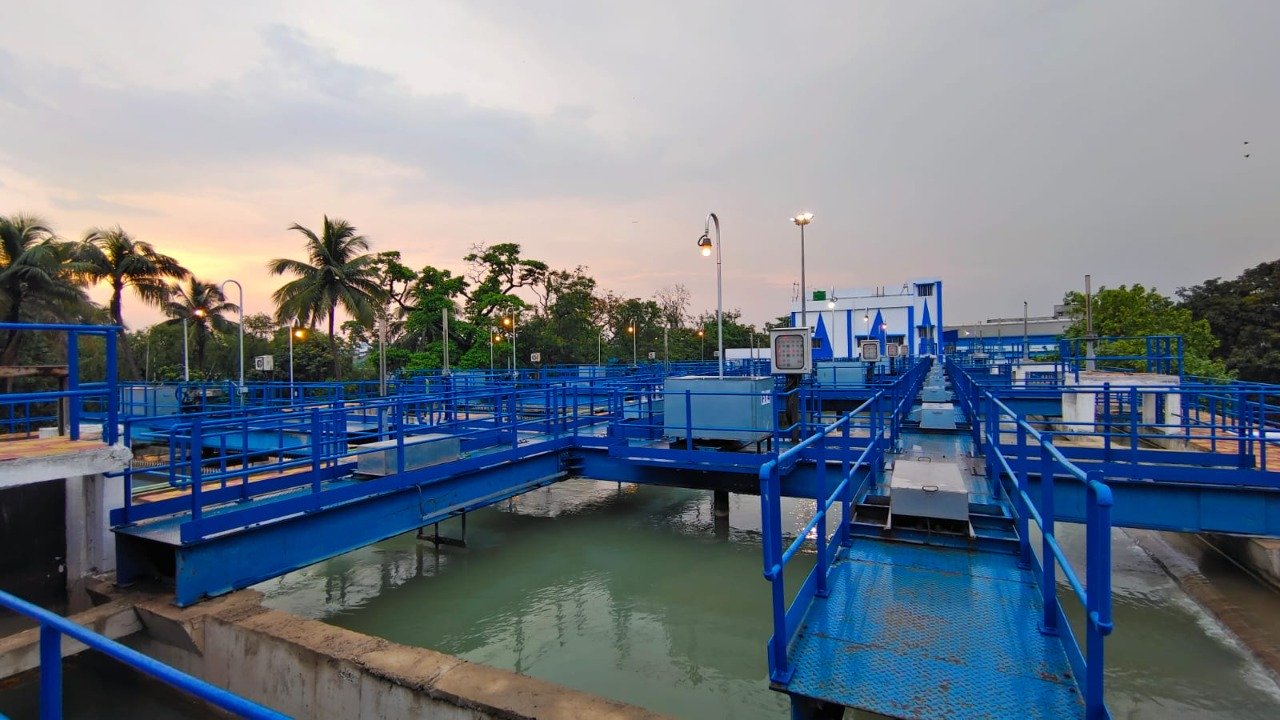
Nagpur’s district administration has approved a multi-crore investment to strengthen rural water supply systems ahead of the peak summer months, signalling a proactive response to recurring seasonal shortages that affect villages across the region. The move is expected to improve access to potable water while reducing reliance on emergency tanker services, a costly and carbon-intensive fallback that many districts depend on during heatwaves. The approved plan focuses on upgrading and expanding existing infrastructure in water-stressed rural pockets. Officials indicate that the intervention includes repairing defunct pipelines, enhancing storage capacity, and improving distribution networks to ensure more consistent delivery. The emphasis on strengthening last-mile connectivity reflects a broader shift in how rural water supply is being managed — from reactive crisis handling to long-term resilience planning.
Water scarcity in central India has become increasingly unpredictable due to erratic rainfall patterns and rising temperatures linked to climate change. Rural communities, which often rely on groundwater or seasonal sources, face acute stress during summer months. By investing in infrastructure before demand peaks, local authorities aim to reduce pressure on groundwater extraction and prevent service disruptions that disproportionately affect women and marginalised households. Urban planners note that improving rural water supply systems has implications beyond basic service delivery. Reliable access to water supports public health, reduces migration pressures, and stabilises local economies, particularly in agrarian districts. It also contributes to more equitable regional development by narrowing the infrastructure gap between urban and rural areas. The initiative aligns with broader national goals of ensuring safe and sustainable drinking water access, but its effectiveness will depend on execution and maintenance. Experts highlight that while capital investment is essential, long-term sustainability requires community-level monitoring, efficient energy use in pumping systems, and integration with water conservation practices such as rainwater harvesting and aquifer recharge. From a climate perspective, strengthening decentralised rural water supply networks can reduce dependence on tanker fleets, which contribute to emissions and often operate as short-term fixes. A more robust pipeline-based system, if managed efficiently, offers a lower-impact alternative while improving reliability.
Local officials suggest that priority has been given to villages with a history of acute shortages, indicating a targeted approach rather than uniform allocation. However, urban policy observers caution that equitable distribution and transparent monitoring will be key to ensuring that investments translate into measurable improvements on the ground. As temperatures begin to rise, the coming months will test the system’s preparedness. If implemented effectively, the initiative could serve as a model for climate-resilient rural water supply planning — one that balances infrastructure investment with sustainability and social equity considerations.
ALSO READ – Mumbai Andheri Redevelopment Gains Fresh Momentum
Nagpur Clears Rural Water Supply Upgrade Plan
