


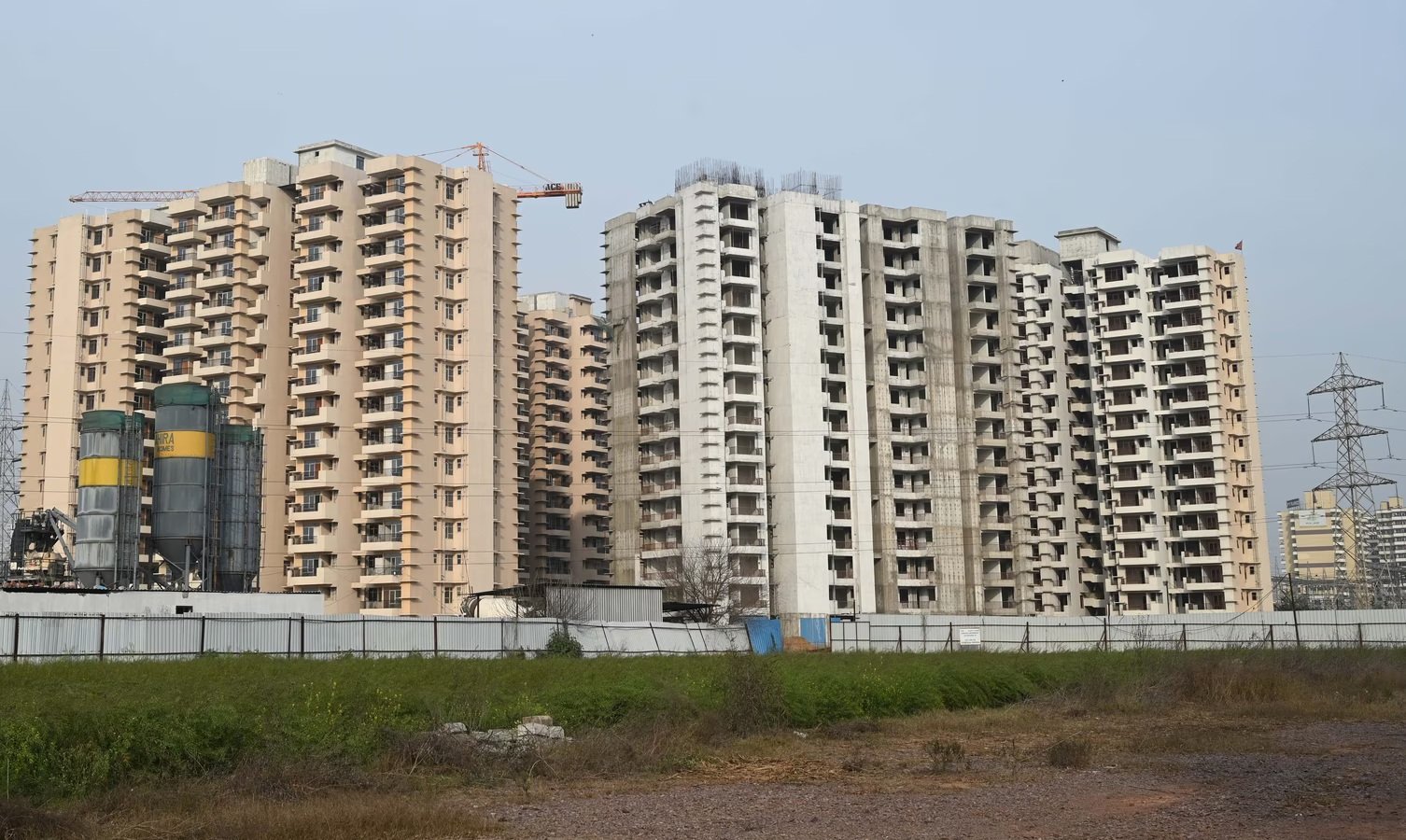
Concerns are emerging over infrastructure quality in Nagpur as recent municipal tendering practices come under scrutiny for prioritising lower bids over execution standards. The Nagpur civic tenders issue is raising questions about whether aggressive cost-cutting in public contracts could undermine the durability and performance of critical urban infrastructure. Officials and industry observers indicate that several recent tenders have seen significant underbidding, with contractors quoting substantially lower than estimated project costs to secure work. While competitive pricing is a standard feature of public procurement, experts warn that excessive undercutting can lead to compromised construction quality, delays, and higher maintenance costs over time.
The Nagpur civic tenders debate highlights a broader challenge faced by rapidly growing cities: balancing cost efficiency with long-term infrastructure resilience. Urban planners note that infrastructure projects—ranging from roads and drainage systems to public facilities—require not only initial investment but also sustained performance under varying environmental conditions. In Nagpur’s case, concerns are particularly relevant given the city’s expanding footprint and increasing infrastructure demands. As new residential and commercial areas develop, the reliability of civic infrastructure becomes critical to ensuring seamless urban functioning. Poor-quality construction can lead to recurring repairs, traffic disruptions, and additional financial burden on municipal bodies. Experts argue that procurement frameworks need to move beyond the lowest-bid model towards more comprehensive evaluation criteria. Factors such as technical capability, past performance, material quality, and lifecycle costs are increasingly being recognised as essential components of sustainable infrastructure development. Without these considerations, short-term savings may translate into long-term inefficiencies. The Nagpur civic tenders issue also intersects with climate resilience. Infrastructure built to lower standards may struggle to withstand extreme weather events, including heavy rainfall and heat stress. For a city like Nagpur, which experiences significant seasonal variations, ensuring robust construction is vital to prevent service disruptions and protect public assets. From an economic perspective, the quality of infrastructure has direct implications for investment and urban competitiveness. Businesses and residents rely on dependable services, and recurring infrastructure failures can affect productivity and quality of life. Ensuring high standards in public works is therefore not just a technical concern but a key factor in sustaining economic growth. A senior municipal official indicated that authorities are reviewing tendering processes to address concerns and improve oversight. Measures under consideration include stricter quality checks, enhanced supervision, and revised evaluation criteria to ensure that projects meet required standards.
The situation also underscores the importance of transparency and accountability in public procurement. Clear guidelines, regular audits, and community engagement can help ensure that infrastructure projects deliver intended outcomes without compromising quality. As Nagpur continues to invest in urban expansion, the approach to tendering will play a crucial role in shaping the city’s built environment. The challenge lies in creating systems that deliver both cost efficiency and long-term value—ensuring infrastructure that is not only affordable but also durable, resilient, and fit for the city’s future needs.
ALSO READ – Nagpur Pune Summer Trains Ease Seasonal Travel Demand
Nagpur Civic Tenders Raise Concerns Over Infrastructure Quality
