


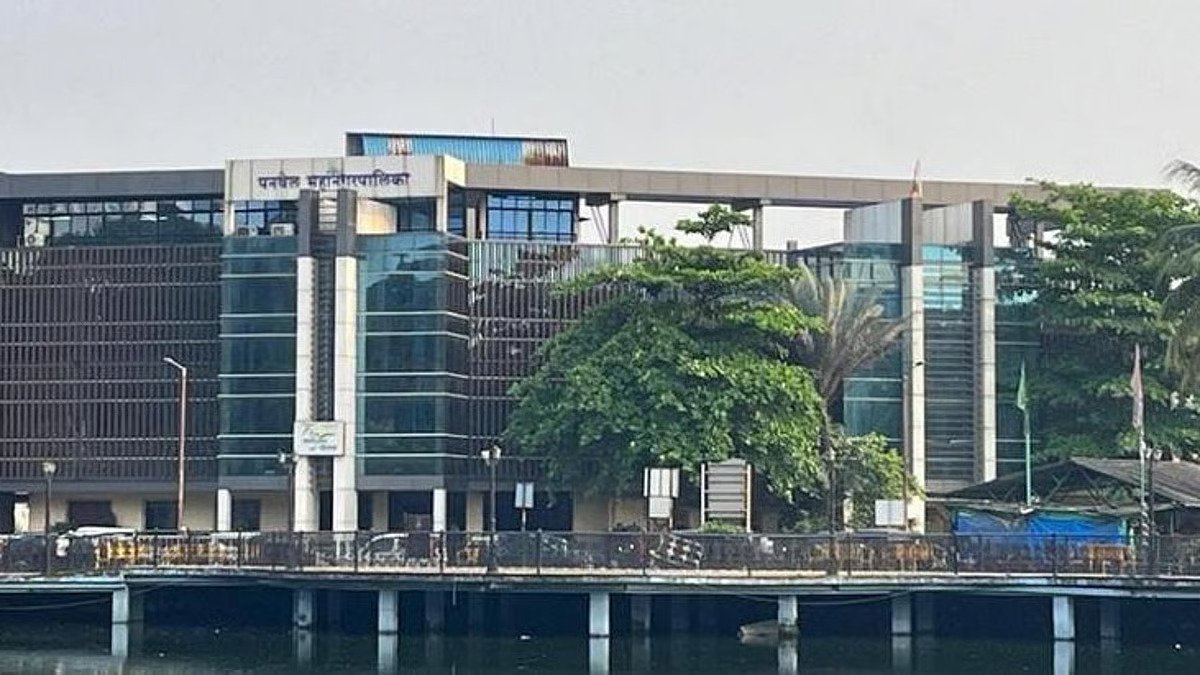
A late financial-year surge in government approvals has directed hundreds of crores toward development projects centred around Nagpur and its surrounding region, signalling a renewed funding push across civic infrastructure, welfare housing, and public facilities. Nearly forty government resolutions issued in the final days of the fiscal cycle have collectively sanctioned more than ₹450 crore for projects spanning urban infrastructure, energy, heritage restoration, and social welfare programmes. Urban planners say the clustering of approvals highlights how state governments often clear pending proposals before the close of the financial year, enabling departments to utilise committed budgets. In this case, a significant share of the spending has been directed to projects located in and around Nagpur, reinforcing the city’s growing role as an administrative and infrastructure hub within central India.
Among the major allocations is funding for flood recovery works following severe rainfall events that damaged civic infrastructure in 2023. More than ₹70 crore has been routed to the city administration to support restoration efforts, including repairs to roads, drainage networks, and public facilities affected by the deluge. Urban resilience experts note that such investments are increasingly crucial as climate-driven weather extremes place greater pressure on ageing city infrastructure. Energy infrastructure also forms part of the spending pipeline. A portion of the approved funds has been earmarked as capital investment for thermal power generation facilities in the region. While such investments support power supply reliability, energy analysts say cities like Nagpur will simultaneously need to expand renewable capacity and energy efficiency to align with long-term decarbonisation goals. Another large component within the government resolutions focuses on social infrastructure. More than ₹140 crore has been cleared for acquiring hundreds of residential units that will be repurposed as hostel accommodation for beneficiaries under social justice programmes. Policy specialists say converting existing housing into institutional facilities can help address urban accommodation shortages while improving access to education and employment opportunities for disadvantaged groups. Additional approvals include funds for project surveys, civic dues in flood-affected rural settlements, and improvements to heritage and cultural facilities in the wider region. Smaller allocations have also been directed toward institutional loans and administrative support programmes aimed at strengthening cooperative and regional development initiatives.
For urban economists, the mix of allocations reflects how development spending today must balance physical infrastructure with social and environmental priorities. Cities experiencing rapid growth require investment not only in roads and utilities but also in housing access, disaster recovery, and cultural infrastructure that shapes civic identity. As Nagpur continues expanding as a logistics and governance centre in central India, the effectiveness of these government resolutions will ultimately depend on how quickly projects move from administrative sanction to on-ground implementation. For residents, the real test will be whether the approved funds translate into safer infrastructure, resilient neighbourhoods, and more inclusive urban services in the months
ALSO READ – Nagpur Solar Shade Plan Targets Safer Cooler Intersections
Nagpur Budget Resolutions Channel Crores Into Urban Projects
