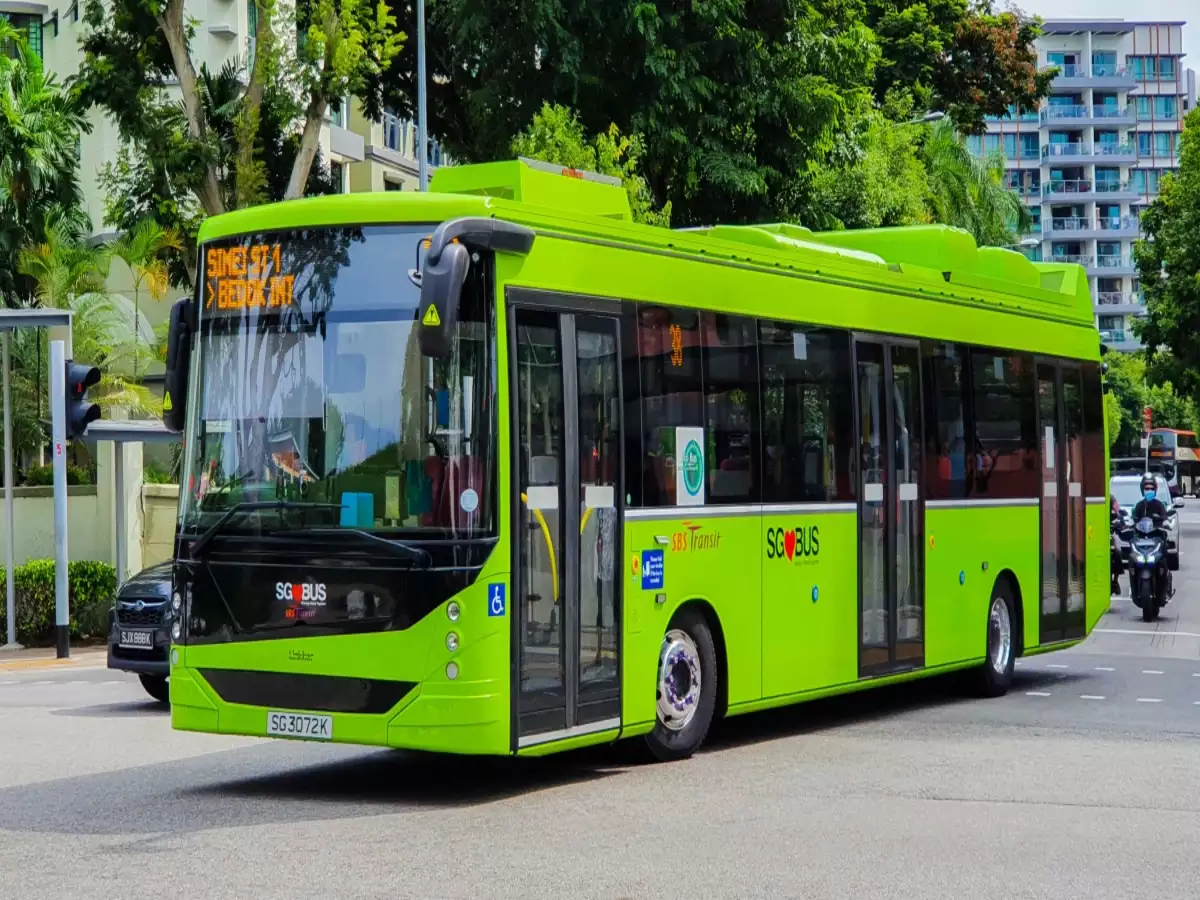
Nagpur, Maharashtra — Nagpur’s civic administration confirmed a renewed push towards decarbonised public infrastructure this week with two major developments: the induction of 50 new air-conditioned electric buses into the city’s fleet and accelerated adoption of rooftop solar installations, both aligned with broader sustainability objectives in urban planning and climate action.
These twin moves signal a strategic emphasis on low-emission mobility and distributed renewable energy at a time when Indian cities grapple with rapid population growth, rising transport emissions and energy demands. Prime Ministerial representatives formally flagged off the 50 electric buses under the national PM e-Bus Sewa scheme, marking a significant expansion of Nagpur’s Aapli Bus service. The additions bring the city’s e-bus fleet to around 360 vehicles, equipped with GPS tracking, digital ticketing systems and accessibility features, and supported by upgraded charging infrastructure at key depots. A further 100 electric buses are reportedly in the acquisition pipeline, affirming a phased transition to cleaner, battery-powered public transport that aims to reduce tailpipe emissions and improve commuter comfort across the metropolitan area.
Urban mobility experts say such fleet scaling is key to reducing private vehicle dependence and urban congestion, while mitigating transport-sector emissions — a significant contributor to city-level air pollution and climate warming. Though electric buses sometimes present operational cost challenges compared with diesel counterparts, cities like Nagpur are prioritising sustainability outcomes in line with national electric mobility and clean air policies. Parallel to transport electrification, Nagpur district has emerged as a leader in rooftop solar deployment under the PM Surya Ghar: Muft Bijli Yojana framework. The district topped Maharashtra in daily installations, anchoring the state’s national rise in rooftop solar adoption. Household and commercial solar systems across the region contribute to decentralised clean power generation, easing stress on grid infrastructure and cutting greenhouse-gas emissions from traditional electricity sources.
Local administrators and energy officials gathered at a renewable energy forum, recognising the rapid pace of adoption and highlighting Nagpur’s role in driving Maharashtra to a second-place national ranking under the rooftop solar initiative. Independent energy planners note that distributed solar — particularly when integrated with net-metering arrangements — can lower energy bills, enhance grid resilience and support off-peak charging of electric public transit fleets. These developments support broader urban policy priorities: fostering inclusive, climate-resilient growth while expanding essential services. Electric buses link housing, employment and education hubs with safer, cleaner transit, and rooftop solar installations decentralise clean power, reducing dependence on fossil fuels and strengthening energy access. Urban planners say that coordinated deployment of green transport and renewable energy can serve as a model for mid-sized Indian cities navigating the dual pressures of urbanisation and climate change.
As Nagpur expands these initiatives, continued investment in charging infrastructure, grid integration and community engagement will be critical to sustaining momentum and realising long-term emission reductions.