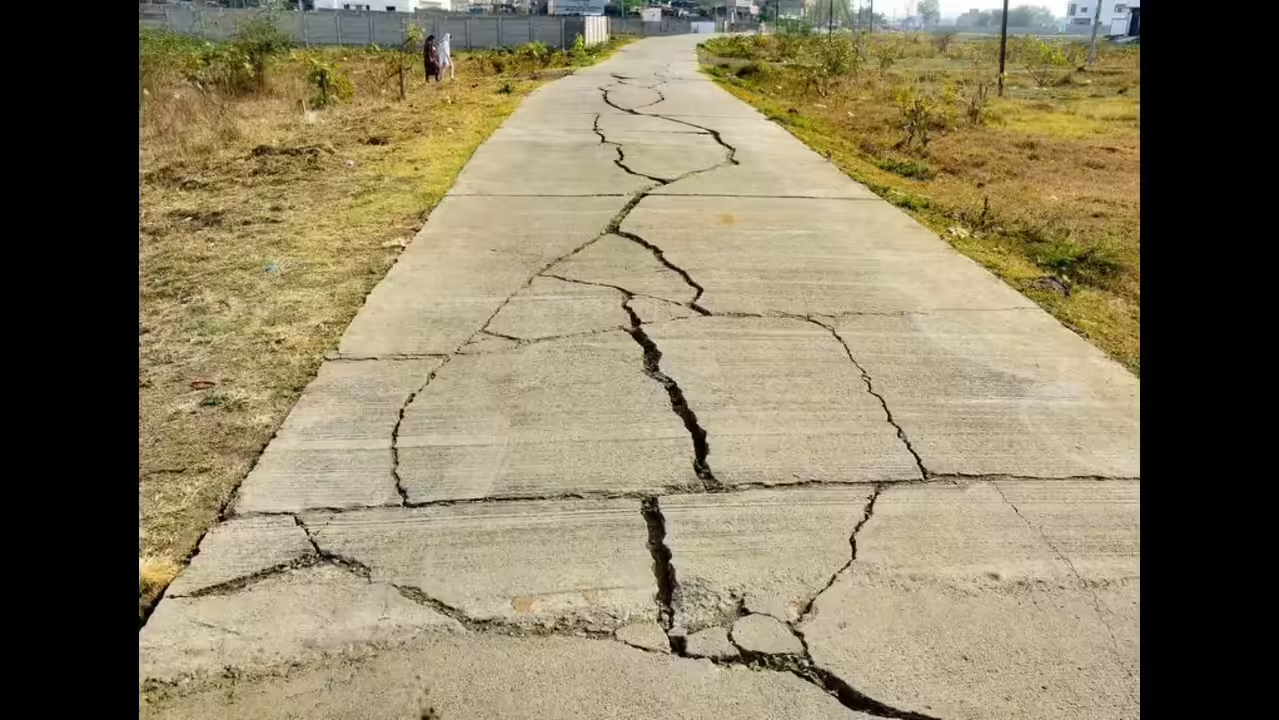
Nagpur Beltarodi Infrastructure Gaps Hit Residents
Nagpur’s Beltarodi neighbourhood is grappling with deepening infrastructure frustration as recently completed cement roads are being excavated again for utility installations, underscoring persistent gaps in planning coordination that are straining residents, commuters and local governance. The unfolding situation highlights fundamental challenges in synchronising large-scale urban infrastructure with rapid peri-urban growth.
In Beltarodi — a suburb witnessing swift residential expansion — the Nagpur Metropolitan Region Development Authority’s (NMRDA) cement road improvements have been a key civic upgrade. However, months after laying down these concrete surfaces to support burgeoning traffic and new housing developments, the same stretches are being cut open to lay sewerage and drainage conduits that many argue should have been installed beforehand. The result: open trenches, disrupted traffic patterns, heightened safety risks for schoolchildren and senior citizens, and mounting frustration over what residents describe as redundant work.Local governance officials confirm the road work within a broader ₹126-crore infrastructure programme includes essential utilities such as water, power and drainage networks. A senior local engineer noted that the sequence outlined in the original project blueprint scheduled drainage later in the process, necessitating post-pavement excavations. Under current norms, restored roads are expected to be relaid after a brief settlement period following underground work. Still, residents and urban planners question the logic of this order.
Urban planning experts observing the incident say this reflects a broader pattern of disjointed infrastructure delivery that can plague fast-growing urban peripheries across India. “When road construction precedes underground utilities, the lifecycle cost of the pavement goes up, and public inconvenience becomes unavoidable,” said an urban infrastructure planner based in central India. Such sequencing errors ultimately affect the durability of road surfaces, escalate maintenance costs and erode public trust in civic institutions.For Beltarodi — where narrow streets are already struggling to keep pace with a surge in private vehicles linked to residential real estate growth — the repeated digging threatens to compound deeper structural issues. Narrow and partly upgraded thoroughfares have been flagged previously as bottlenecks amid rapid development, slowing commute times and increasing dust and safety hazards, particularly in monsoon seasons.
Residents also point to safety concerns. Open trenches and intermittent road closures disrupt school runs and access for elderly residents, while the dust and uneven surfaces increase accident risk, especially for two-wheeler riders. With monsoon months approaching, inadequate drainage and unsettled surfaces could worsen conditions further.City planners and public works officials now face a critical juncture: embed better inter-agency coordination and upfront utility planning into future infrastructure projects, or continue dealing with the recurring operational and civic fallout that undermines broader ambitions for sustainable, climate-resilient neighbourhoods.