


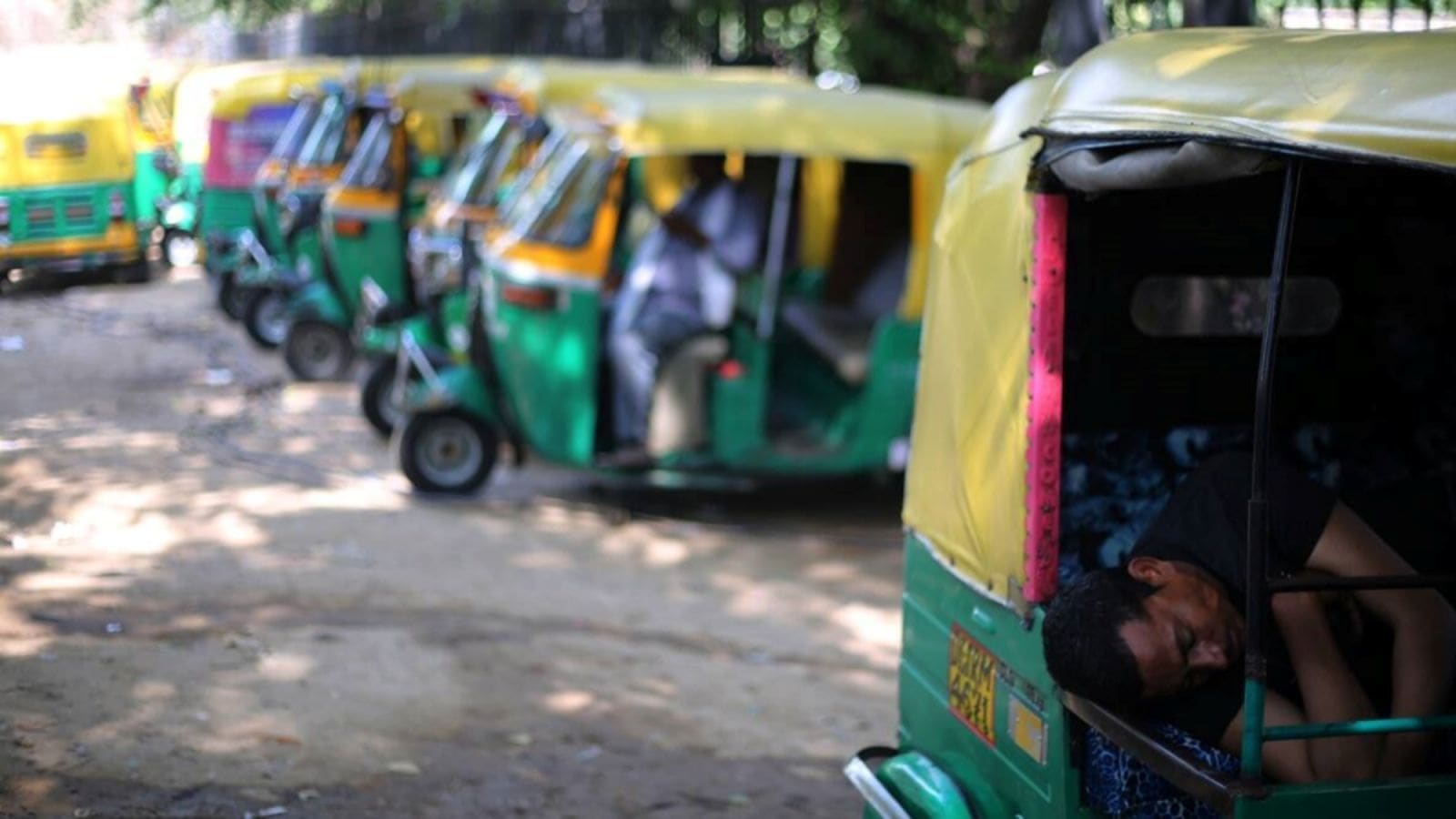
A recent policy shift affecting autorickshaw permits in Nagpur has triggered fresh debate over the future of last-mile mobility, as drivers call for similar restrictions on the rapid expansion of electric rickshaws. The Nagpur auto permit ban has highlighted growing tensions between traditional transport operators and emerging mobility solutions in the city. Autorickshaw drivers have largely welcomed the move to restrict new permits, arguing that it could stabilise earnings in an already competitive market. However, they are also seeking regulatory intervention for e-rickshaws, which have expanded quickly in recent years and are increasingly seen as competing for the same passenger base.
The Nagpur auto permit ban raises broader questions about how cities manage transitions in urban mobility. While e-rickshaws are often promoted as a cleaner and more sustainable alternative, their unregulated growth can lead to overcrowding, traffic congestion, and operational challenges. Urban mobility experts note that last-mile transport plays a critical role in connecting commuters to larger transit systems. Ensuring a balanced ecosystem—where different modes coexist efficiently—is essential for maintaining accessibility and affordability. The demand for curbs on e-rickshaws reflects concerns over uneven regulation. Traditional autorickshaws typically operate under stricter licensing, fare controls, and compliance requirements, while e-rickshaws in many cities have evolved with relatively lighter oversight. This disparity can create tensions among operators and complicate enforcement. From a planning perspective, the Nagpur auto permit ban highlights the need for integrated mobility policies that account for both economic and environmental factors. While restricting permits may address short-term market saturation, it does not fully resolve issues related to demand, route planning, and service quality. Experts suggest that rather than imposing blanket restrictions, cities should focus on structured regulation. This could include route rationalisation, designated operating zones, and integration with public transport systems to ensure that both autorickshaws and e-rickshaws complement rather than compete with each other. The environmental dimension is also significant. E-rickshaws offer the potential to reduce emissions and support cleaner urban transport. However, without proper planning, their benefits may be offset by increased congestion and inefficient operations. The Nagpur auto permit ban also has implications for livelihoods. Both autorickshaw and e-rickshaw drivers depend on stable income opportunities, making it important for policy decisions to consider the economic impact on workers. A senior official indicated that authorities are reviewing the situation and exploring options to create a more balanced regulatory framework. This may involve revisiting permit policies, standardising regulations across different vehicle types, and improving enforcement mechanisms.
As Nagpur continues to evolve its transport systems, the current debate reflects a broader challenge faced by many Indian cities—how to integrate new mobility solutions without disrupting existing ecosystems. Looking ahead, the focus will need to be on creating a cohesive and inclusive mobility framework that supports sustainability, ensures fair competition, and meets the diverse needs of urban commuters.
ALSO READ – Nagpur Road Safety Crisis Persists On Besa Pipla Stretch
Nagpur Auto Permit Ban Sparks Debate On Mobility Balance
