


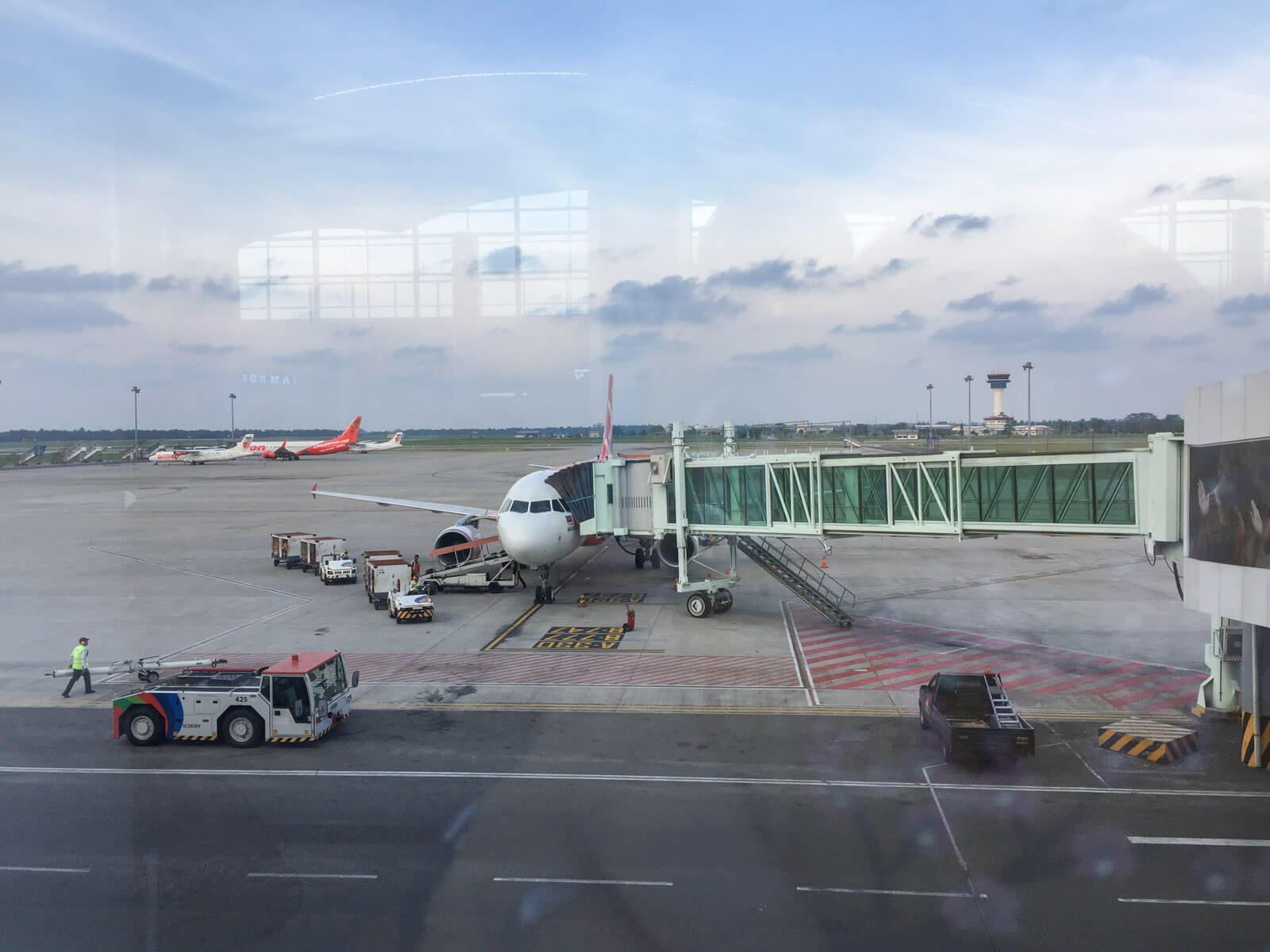
Nagpur’s Dr. Babasaheb Ambedkar International Airport is confronting a significant safety hazard, with 181 buildings identified as potential threats to aircraft operations. These structures, located within a 25 km radius of the airport, have been flagged for violating height restrictions crucial for safe flight paths.
Since 2018, MIHAN India Limited (MIL), the airport’s operator, has conducted Aeronautical Obstacle Limitation Surface (OLS) surveys, identifying these buildings as obstructions. Despite clear safety concerns, no measures have been taken to reduce their height or remove rooftop obstructions. The lack of enforcement has raised alarms among safety experts, who warn that the unchecked presence of these structures poses a continued risk to aviation operations in Nagpur. One notable case involves the “Prozone Palm” building, located just 300 meters from the airport. The structure’s height and proximity to the airport have drawn attention, and the matter is currently under judicial review. Notices have also been served to other buildings in localities such as Sonegaon Road, Takli Sim, Pannase Layout, Jaitala, Hingna, Trimurti Nagar, Isasani, Digdoh, and Shivan village. However, authorities have yet to enforce corrective actions.
According to the Aircraft Rules of 1994 and the Aircraft Act of 1934, the Ministry of Civil Aviation issues safeguarding circulars like GSR 751(P), directing the regulation of tall structures around airports. The Airports Authority of India (AAI) uses a colour-coded zoning system for granting No Objection Certificates (NOCs) for building heights, aimed at protecting flight safety. Despite these regulatory frameworks and the three OLS surveys conducted over the past nine years, the identified buildings remain untouched. Safety experts have raised concerns over the lack of enforcement, warning that the unchecked presence of these structures poses a continued risk to aviation operations in Nagpur. The absence of proactive measures to prevent such obstructions necessitates a reevaluation of building permissions and compliance checks. Holding property owners accountable is crucial, but this situation also raises questions about regulatory enforcement.
The involvement of the Directorate General of Civil Aviation (DGCA) in addressing the problem is encouraging, but the resolution process remains uncertain. The issue of buildings obstructing the flight path at Nagpur Airport is a serious one that requires immediate attention. While some progress has been made with the removal of a few structures, many still pose significant safety risks. It is crucial for building owners to comply with regulations and for authorities to take swift action to ensure the safety of all flights in and out of Nagpur.
Also Read :Ahmedabad crash highlights critical airport infrastructure issues
