Mysuru Chamber Urges South Western Railway to Launch Goa–Mysuru Express Service
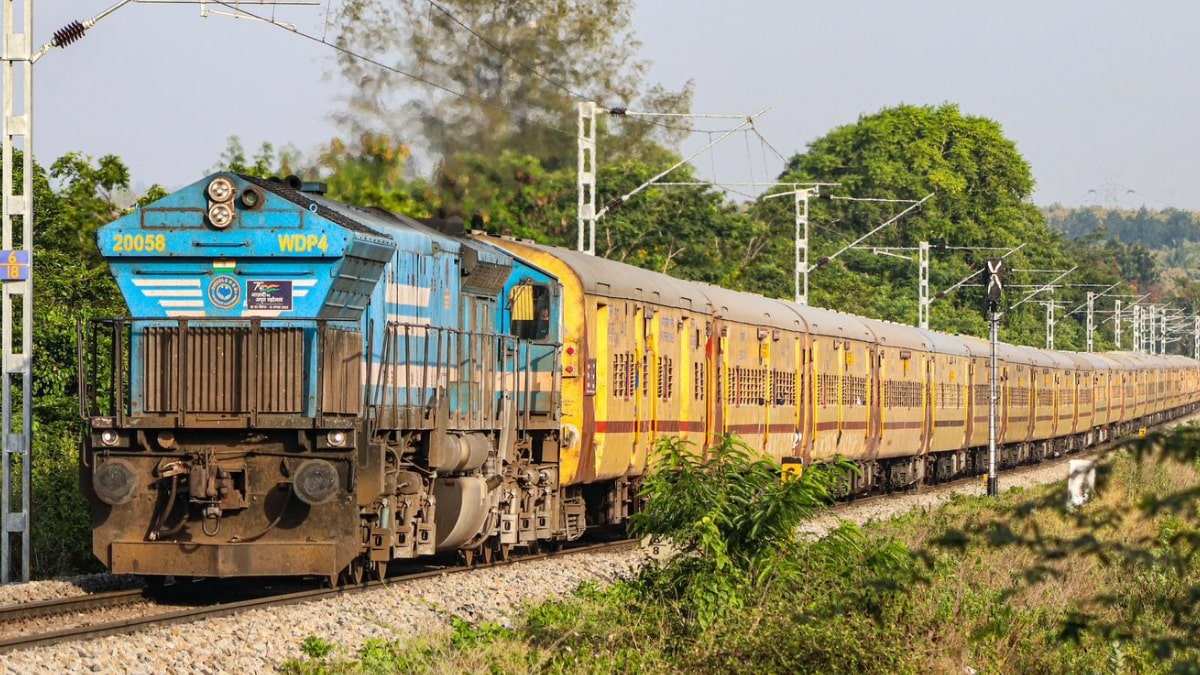
A fervent and renewed push by rail activists and citizen groups is advocating for the crucial extension of the Yeshwantpur–Murdeshwar Express (Train No. 16585/586) to Vasco Da Gama in Goa. This long-pending demand seeks to establish a vital direct rail link between two of India’s most iconic tourist destinations – the heritage city of Mysuru and the vibrant beach capital of Goa. Such strategic infrastructure development promises to not only stimulate sustainable tourism and foster regional economic integration but also to champion eco-friendly urban mobility, aligning perfectly with the vision for connected, equitable, and low-carbon cities across the nation.
The current absence of a direct rail route between Mysuru and Goa presents a significant connectivity gap, forcing travellers to rely on less efficient and often more polluting modes of transport. The proposed extension, requiring an additional coverage of approximately 180 kilometres from Murdeshwar, is lauded as a highly cost-effective solution. By leveraging an existing train rake, it obviates the need for new capital expenditure, making it a pragmatic choice for enhancing the national rail network. Furthermore, this link would re-establish Mysuru’s direct connection to coastal Karnataka, including Karwar, a vital artery that was severed with the cancellation of the overnight Karwar–Bengaluru express via Mysuru.
Beyond its tourism potential, the proposed rail link carries profound socio-economic implications. Improved rail access would significantly benefit students, workers, and small traders residing in the hinterlands of Karnataka, including districts such as Mandya, Ramanagara, and Uttara Kannada. By providing reliable and affordable transportation, it ensures more equitable access to educational institutions, employment opportunities, and markets, fostering inclusive growth across diverse communities. This emphasis on robust public transportation inherently contributes to a zero net carbon agenda by encouraging a shift away from individual vehicular use, thereby reducing overall emissions and traffic congestion in urban and peri-urban areas.
Despite the clear and compelling advantages, and consistent advocacy from various Members of Parliament and Members of the Legislative Assembly, the final notification from the Railway Board remains elusive. This persistent delay, frustrating to activists, comes despite favourable responses from both South Western Railway and Konkan Railway, and even an agreement in the Inter Railway Time Table Coordination (IRTTC) meeting. Information obtained through the Right to Information Act confirms that while zonal railways have consented to the extension, central approval is still pending, highlighting a critical bottleneck in policy implementation.
The demand for this rail link transcends mere convenience; it is a strategic imperative for integrated regional development. The historical success of Mysuru-Goa flights, with over 90% occupancy rates, unequivocally underscores the latent passenger potential. Establishing this direct rail connection would not only enhance the tourism circuit but also bolster the accessibility of crucial coastal towns like Gokarna, Kumta, Honnavar, and Canacona. Ultimately, the timely realisation of this project is paramount for creating resilient, economically vibrant, and environmentally conscious cities, where seamless and sustainable transport networks serve as the backbone of societal progress and equity.