


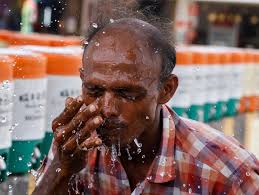
Delhi, the escalating heat has become a daily ordeal, shaping the lives of its 3,000 residents. Last year, the village registered a record-breaking temperature of 52.9°C, a figure that sent shockwaves through the local community. Though the India Meteorological Department (IMD) later attributed this to a sensor malfunction, the residents remain convinced that the recorded temperature is not far from the truth. As the summer months approach once again, Mungeshpur braces itself for another intense season, as residents and businesses alike struggle to adapt to the increasingly harsh climate.
For the village’s elderly population, the heat has forced a drastic shift in their daily routines. Traditionally, afternoons were spent socialising and playing cards outdoors, but now, these activities have been relegated to the early morning hours when the sun is less oppressive. “We no longer spend afternoons outside. The heat is unbearable,” said a local farmer. “We try to meet early before the sun becomes too harsh, but it’s becoming harder each year.” This sentiment is shared by many in the village, where the heat is not just an inconvenience but a constant source of discomfort, particularly for the elderly.
The effects of the heat are far-reaching. In homes across Mungeshpur, air conditioning has become a necessity, with many installing multiple units to cope with the rising temperatures. “We had to buy two air conditioners last year,” said a young resident, explaining that the once-common practice of sleeping outdoors is no longer feasible. “People only go outside for emergencies after noon.” This shift in lifestyle is evident everywhere, with even buffalo sheds now equipped with cooling systems to protect livestock from the heat.
As temperatures already edge closer to 40°C in early summer, the residents of Mungeshpur are modifying their diets and habits to cope with the heat. Lighter meals and cooling beverages, such as lemon water and buttermilk, have become staples in every household. But the health risks remain severe. Last year, nearly every household in the village experienced heat-related illnesses, including dehydration and skin rashes. “It’s a constant worry,” said a local college student. “Last year, people were unwell for weeks, and I fear it will only get worse this year.”
For local businesses, the economic fallout from the heat is undeniable. Shop owners report a significant drop in sales during the summer months, with customer traffic decreasing by as much as 80%. “The heat keeps people indoors, and sales plummet between mid-April and mid-June,” explained a local grocery store owner. The consequences of the extreme temperatures are felt not just in the health of the residents but also in the livelihood of small businesses, which depend on foot traffic for their survival.
The rising temperatures in Mungeshpur are often attributed to the industrial activity in the nearby Ferozpur Bangar in Haryana. Over the years, rapid industrialisation has led to the loss of green cover and increased pollution, further exacerbating the heat. “The lack of trees has made the heat unbearable,” said a local resident. “The industries in the nearby area have significantly impacted our environment.” This shift towards industrialisation has led to a vicious cycle: as green spaces are replaced by factories, the village experiences increasingly extreme weather conditions.
The village’s weather station, which recorded the extreme 52.9°C reading, has since been shut down. While the IMD dismissed the data due to a malfunction, the locals are frustrated by the lack of action to address the heat crisis. “We need accurate data to highlight the real impact of climate change on our village,” said a community leader. “Without this information, it is difficult to hold authorities accountable for the environmental degradation around us.” Locals are urging the authorities to reactivate the weather station and take concrete measures to address the growing environmental crisis.
As Mungeshpur prepares for yet another scorching summer, it becomes increasingly clear that the battle against the rising heat is not just about surviving the heatwave—it is about tackling the broader environmental issues that fuel these extreme conditions. Without significant efforts to reduce industrial activity and restore the lost green cover, the village may continue to face unrelenting heat year after year. The struggle of Mungeshpur’s residents is a reminder of the urgent need to confront the environmental challenges facing communities across India and work towards creating more sustainable, livable spaces for all.
