Mumbais Underused Foot Overbridges Raise Questions on Urban Planning
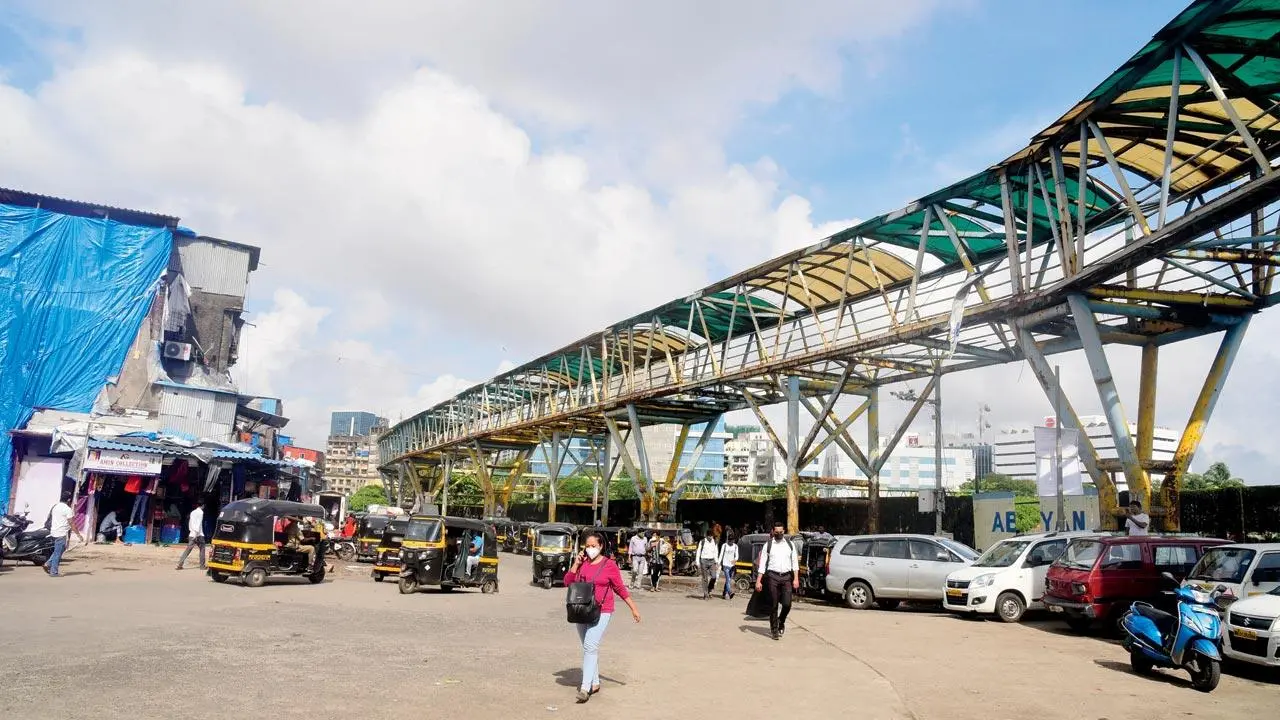
Mumbai’s sprawling railway network, designed to ease commuter flow, is paradoxically home to numerous foot overbridges (FOBs) that lie abandoned or underutilised. Despite significant investments over the past two decades, many of these structures, intended to enhance pedestrian safety and connectivity, have become little more than showpieces, deserted even during rush hours, according to a recent investigation. This phenomenon highlights a concerning gap in urban planning and execution within the city.
Several examples across Mumbai illustrate this issue. The Kurla east-west FOB, for instance, was abruptly truncated due to an elevated railway project, rendering it largely useless. At Wadala, a new FOB, built at a cost of ₹7.5 crore, is bypassed by commuters who continue to use dangerous trackside shortcuts because nearby walls and gates were not adequately barricaded by railway authorities. Similarly, the Sion-BKC Connector FOB and the one near Swadeshi Mill Road see minimal usage due to their isolated locations and lack of proper integration with high-traffic pedestrian networks.
Even FOBs constructed swiftly by the Indian Army following the 2017 Elphinstone (Prabhadevi) stampede, such as the ₹10.44 crore Prabhadevi Army FOB, are now rarely used and partly encroached upon by vendors. Commuter traffic at Prabhadevi and Parel typically favors other station exits, making this bridge largely redundant. Likewise, the Army-built Currey Road FOB, costing ₹3 crore, is underused because most passengers prefer the station’s north-end, which connects to the main road bridge. New FOBs at Sion and two at Chunabhatti also suffer from similar issues, including unfunctional connecting platforms or being remnants of scrapped rail projects.
Experts and daily commuters attribute these issues to a range of factors, including inadequate signage, a lack of escalators or lifts on steep bridges making them inaccessible for many, and most critically, poor coordination among government agencies like the Railways, BMC, and PWD. This often results in FOBs being built in isolation, without seamless integration into the wider urban fabric, leading to wasted public funds and continued pedestrian hazards. Addressing these systemic flaws is crucial for creating truly functional and effective urban infrastructure in Mumbai.