


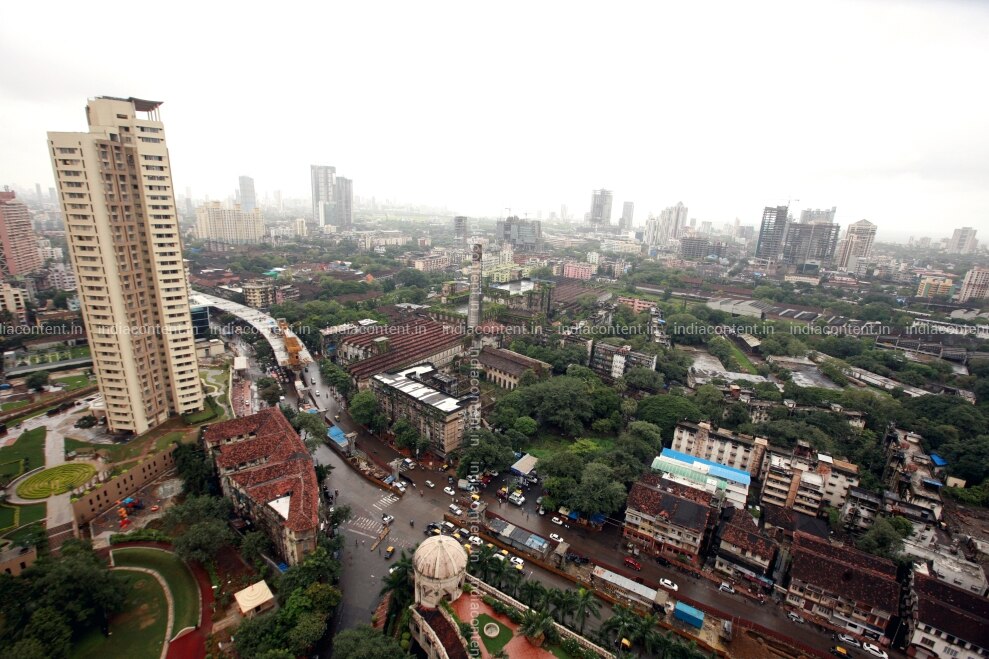
Mumbai’s skyline is a testament to its dynamic real estate transformation, showcasing a dramatic shift from the city’s historic chawls to modern, high-rise towers. This evolution reflects not only the city’s architectural progress but also a profound cultural shift, reshaping communities and lifestyles.
Historically, Mumbai’s chawls, dense residential quarters typically consisting of low-rise, tightly packed units, served as the backbone of communal life. These chawls were more than just housing; they were vibrant communities where residents shared spaces and fostered a sense of togetherness. However, the rapid urbanisation and economic boom over the past few decades have precipitated a shift towards more modern residential developments, including luxury high-rise towers and gated communities.
Recent studies indicate a surge in home sales across Mumbai, driven by rising property prices and an increasingly affluent population. Despite the economic pressure of soaring costs, there is a marked preference for high-end residential spaces. This preference is not merely a reflection of increased disposable income but also a shift towards seeking privacy, security, and modern amenities that these new developments offer. The rise of gated towers and luxury apartments has significantly altered Mumbai’s urban landscape. These new residential complexes offer state-of-the-art facilities, including swimming pools, gyms, and landscaped gardens, starkly contrasting with the utilitarian design of traditional chawls. This transformation is also reshaping the social fabric of Mumbai. Where once community bonds were formed in shared spaces, today’s residents of high-rise towers experience a different form of communal living, often with less direct interaction.
While the real estate boom has brought about significant improvements in living standards for many, it has also led to concerns about the displacement of lower-income communities and the loss of Mumbai’s traditional communal spirit. The high-rise trend is seen by some as a symbol of gentrification, raising questions about the future of Mumbai’s diverse urban culture. As Mumbai continues to grow and evolve, the challenge will be to balance modernisation with the preservation of its rich cultural heritage. The city’s journey from chawls to towers encapsulates a broader narrative of progress and change, illustrating the complex interplay between economic development and cultural identity.
