Mumbais New Metro Proves Its Resilience During Heavy Rainfall
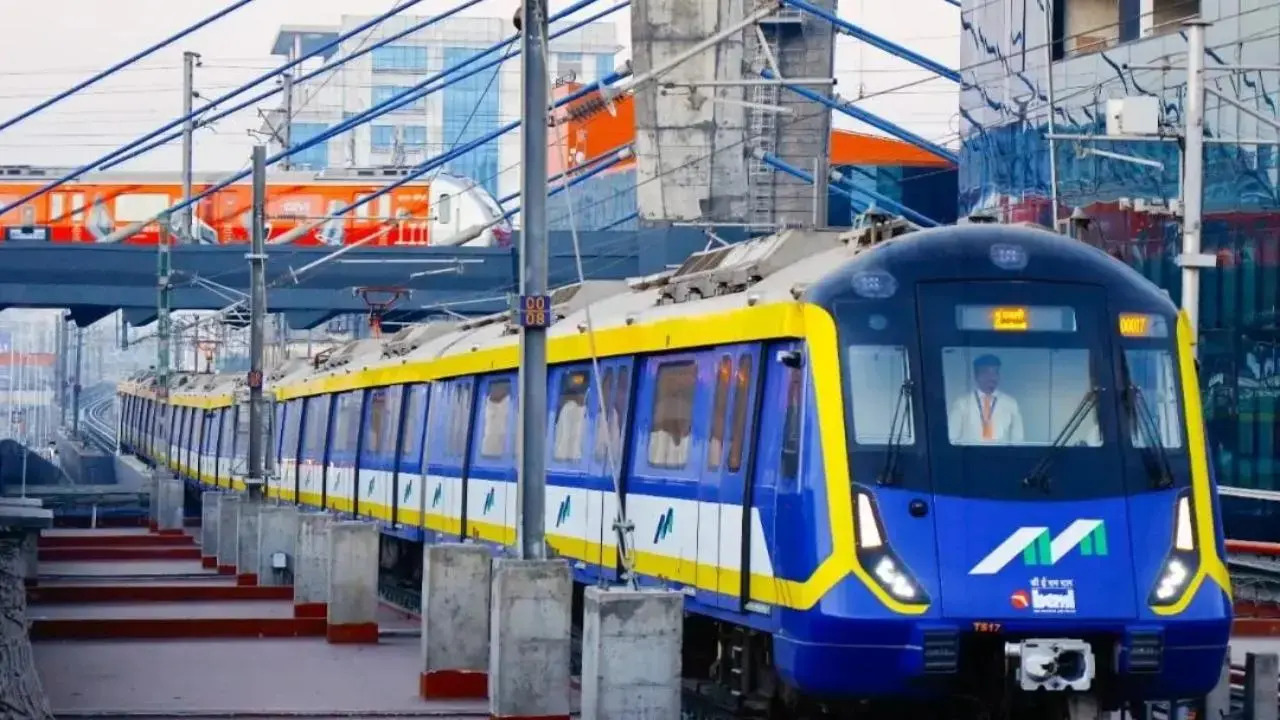
As Mumbai endured another day of relentless monsoon showers, its burgeoning metro system emerged as a crucial symbol of urban resilience, maintaining uninterrupted services across all operational lines. This consistent performance starkly contrasts with the widespread disruptions faced by the city’s surface-level transport networks, including the lifeline local trains and perpetually waterlogged roads. The metro’s ability to operate seamlessly despite a red alert from the weather department underscores its vital role as a sustainable, all-weather lifeline for millions of commuters, affirming its position as a cornerstone of a future-proof metropolis.
While the elevated and underground metro lines provided a stable and reliable means of travel, the city’s traditional transport arteries struggled under the weight of the downpour. Commuters on the local train network, the very backbone of Mumbai’s public transport, faced significant delays and halted services on both the Central and Harbour lines. On the city’s roads, low-lying areas, including key arterial routes, experienced severe water accumulation, bringing vehicular traffic to a near standstill and creating immense inconvenience for residents. The disparate performance of these transport systems highlights a fundamental vulnerability in older infrastructure and a clear advantage of modern, climate-resilient urban planning.
The metro’s design—elevated and fully underground corridors—provides an inherent defence against the city’s monsoon challenges. Unlike local train tracks that are susceptible to flooding, the metro’s infrastructure is built to withstand extreme weather events. This strategic foresight makes the system not just a solution to daily congestion but a critical piece of a zero-net-carbon, sustainable city. By offering a reliable alternative to private vehicles, the metro encourages a crucial modal shift, reducing emissions and contributing to cleaner air. Its operational efficiency during a climate event is a powerful testament to the necessity of investing in public transport that can endure the intensifying impacts of a changing climate.
Beyond its environmental benefits, the metro’s unwavering service is a victory for social equity. A functional public transport system during a city-wide emergency ensures that essential workers can get to their jobs and that vulnerable populations, who may not have access to private vehicles, are not stranded. The metro’s predictability and reliability are also fundamental to creating a gender-neutral urban environment. By offering a secure and dependable mode of travel in unpredictable weather, it empowers all commuters, particularly women, who often face heightened safety and logistical concerns during such disruptions.
The performance of the metro system during this intense downpour serves as a compelling argument for continued investment in modern, resilient urban infrastructure. It is a powerful reminder that while roads and traditional rail networks have their place, the future of urban mobility lies in systems that are impervious to environmental threats. The metro’s triumph over the monsoon is not merely a transport story; it is a narrative of a city on the path to building a more sustainable, equitable, and climate-resilient future for all its citizens.