Mumbai’s Koli Community Rises Against Market Relocation to Basement Site
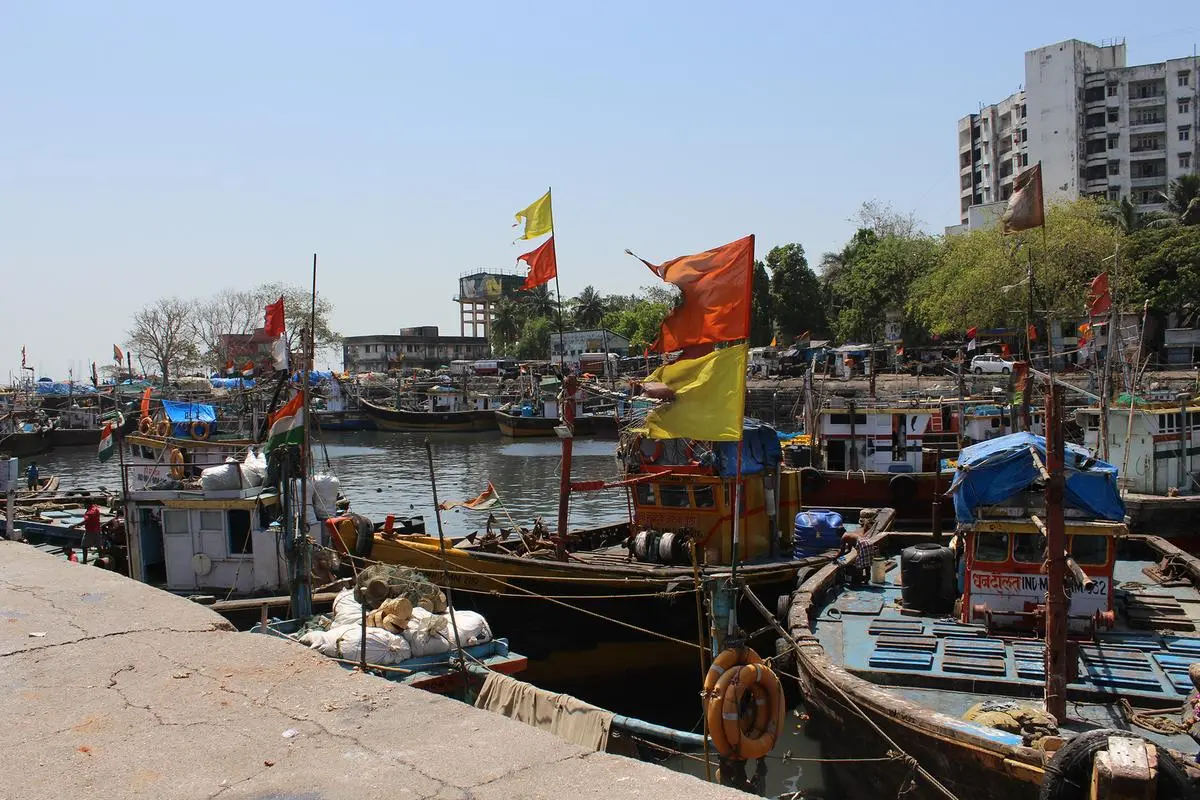
Mumbai’s indigenous Koli fishing community is preparing for a large-scale protest against the civic body’s move to shift the historic Chhatrapati Shivaji Maharaj Fish Market into a basement within the redeveloped Crawford Market complex. The plan has triggered outrage, with fisherfolk accusing civic authorities of backtracking on earlier promises and violating their right to safe and dignified livelihoods. The community now plans a state-wide mobilisation to defend their economic and cultural heritage from further marginalisation.
The city’s fisherfolk have slammed the civic body’s decision to relocate Mumbai’s iconic fish market into the basement of the newly redeveloped Crawford Market building. According to members of the fishing community, this move contradicts prior assurances that a separate, purpose-built fish market of international standards would be developed. With no prior consultation and sudden official communication about basement rehabilitation, fisher groups have raised fire safety concerns and accused officials of betrayal. The proposed space, they say, lacks accessibility and dignity, especially for women vendors. Written objections have already been submitted to authorities, rejecting the plan. The market, which dates back to the 19th century and was temporarily moved out in 1970, holds deep historical and economic significance for the community. Now, fisherfolk argue they are being pushed to the margins once again, despite their vital role in the city’s seafood supply chain. The protest, branded the ‘Koli Storm’, will target multiple civic policies.
The upcoming protest is expected to draw fisherfolk from across Maharashtra, including communities from Palghar, Dahanu, Vasai, Versova, Madh, and Colaba. Organisers claim the agitation is not just about market relocation but reflects a broader struggle against systemic displacement of Mumbai’s indigenous fishing population. Among other grievances are allegations of discrimination against Koli women vendors in other city markets and fears of mass evictions from Sassoon Dock as redevelopment advances. Critics argue that the civic body is prioritising commercial interests and urban infrastructure over the livelihood of traditional communities. Authorities, however, maintain that the new basement space is equipped with ventilation and fire-safety systems. But experts in urban planning and community rights point out that any decision that excludes consultation with the affected groups risks violating long-standing customary rights. The protest march to the civic headquarters aims to demand not just space but also recognition, safety, and social justice.
As Mumbai undergoes rapid urban transformation, its traditional communities are increasingly finding themselves displaced or sidelined. The Koli community’s planned protest highlights deep-rooted concerns over exclusion, broken promises, and erosion of cultural identity. While civic authorities defend their redevelopment plans as compliant with safety norms, fisherfolk argue that the issue runs deeper—touching on dignity, heritage, and survival. With rising support from across coastal Maharashtra, the ‘Koli Storm’ may become a defining moment in Mumbai’s debate over who truly has a right to the city. The question now is whether redevelopment can proceed without displacing the communities that built Mumbai’s economy.