


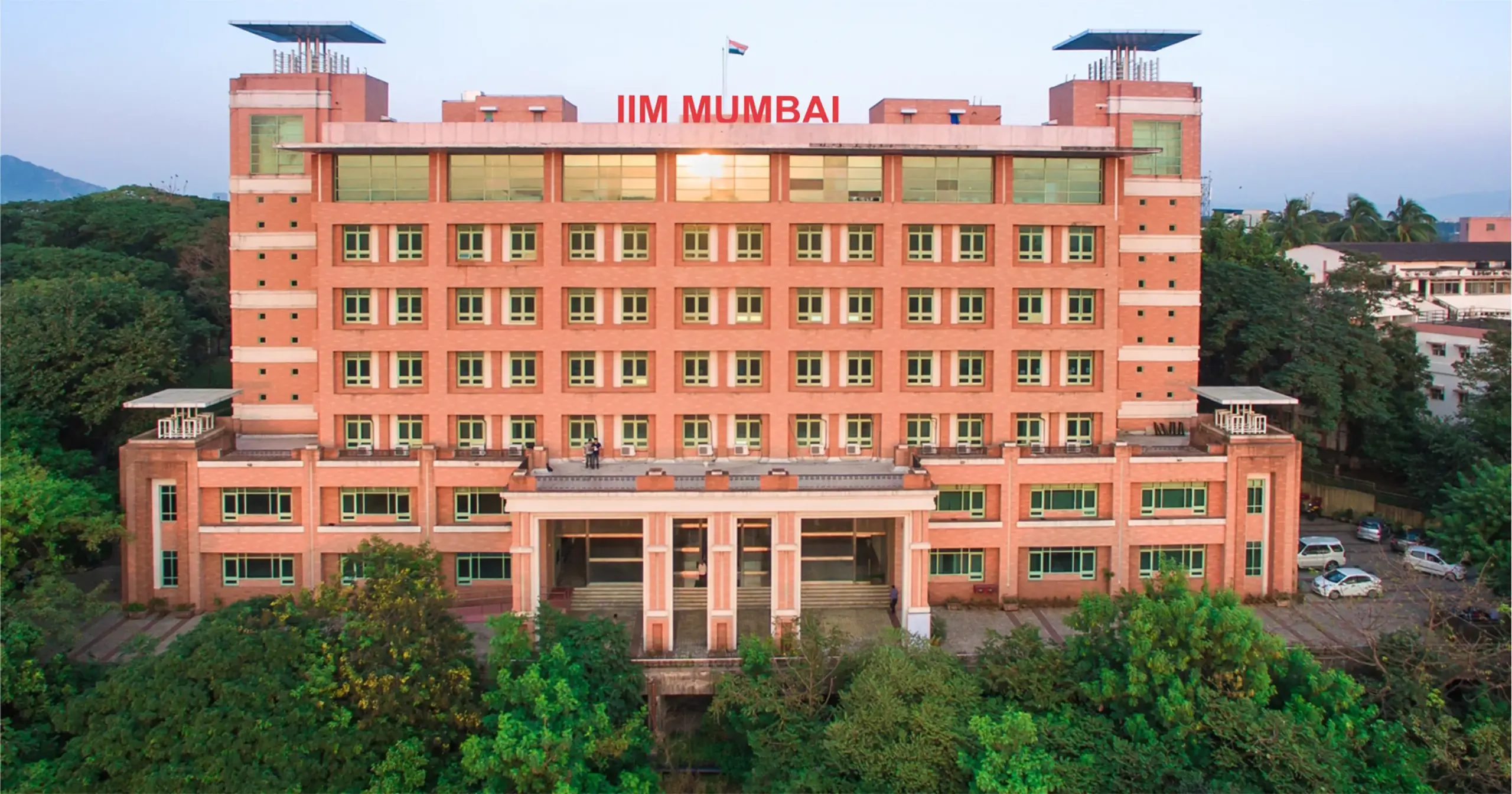
Coal India Limited (CIL) has formalised a Memorandum of Understanding (MoU) with the Indian Institute of Management (IIM) Mumbai. This partnership marks the second edition of a specialised Executive Post Graduate Program (PGPEx) focused on “Logistics and Operations Excellence through Digitisation.” The collaboration underscores a strategic commitment to enhancing efficiency, fostering digital transformation, and developing future-ready leaders within India’s crucial coal sector, aligning with national goals for sustainable and efficient resource management.
The MoU, signed at IIM Mumbai by Dr. Vinay Ranjan, Director (HR) of Coal India, and Professor Manoj K. Tiwari, Director of IIM Mumbai, establishes a bespoke training programme for executives from CIL and its subsidiaries. This year-long executive programme is meticulously designed to equip participants with critical skills in logistics, supply chain management, and digital transformation. By investing in advanced education, Coal India aims to cultivate a workforce capable of navigating the complexities of modern operations and driving the organisation’s growth through data-driven and digitally empowered practices.
This executive programme directly supports the Government of India’s ambitious PM Gati Shakti initiative, a national master plan focused on improving infrastructure and logistics to boost economic productivity. For Coal India, a major public sector undertaking, enhancing logistical and operational excellence through digitisation is paramount. It enables more efficient coal transportation, reduces transit times, and minimises the carbon footprint associated with traditional logistics, thereby contributing to eco-friendly and sustainable supply chains.
The partnership also signifies a broader commitment to strengthening public sector capabilities through advanced education and industry-relevant training. By collaborating with a premier academic institution like IIM Mumbai, Coal India is not only upskilling its current leadership but also fostering a culture of continuous learning and innovation. This focus on human capital development is essential for ensuring that the public sector remains agile, efficient, and responsive to evolving market demands and environmental imperatives.
While coal remains a significant energy source for India, the emphasis on “Logistics and Operations Excellence through Digitisation” within this programme points towards a future where resource extraction and distribution are managed with greater efficiency and a reduced environmental impact. Optimised logistics can lead to lower fuel consumption in transportation, less waste, and more streamlined operations, indirectly contributing to zero-net-carbon aspirations. Furthermore, by investing in its workforce, Coal India is promoting gender-neutral opportunities and ensuring that its employees are equipped with the skills necessary for a future-ready economy. This strategic collaboration between industry and academia is a vital step towards building a more resilient, efficient, and responsible energy sector for India.
Also Read: Pune‑Headquartered Suzlon Secures 381 MW Wind Energy Order From Zelestra
