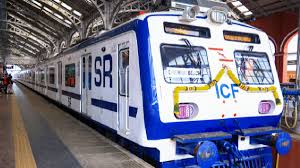
Mumbai Central Railway Announces 380 Ganpati Special Train Trip To Ease Travel
India’s largest transit systems are activating a record number of services for the upcoming Ganpati festival. Indian Railways has announced an unprecedented 380 special train trips, a move complemented by the Brihanmumbai Electric Supply and Transport (BEST) undertaking’s decision to launch additional late-night bus routes. This synchronised effort is poised to cater to the immense festive demand and marks a decisive shift towards prioritising high-capacity, low-carbon public transport as the backbone of celebratory travel in the region.
This year’s railway initiative represents a substantial increase over previous years, building on a growing trend of bolstering public transit during peak festive periods. The Central Railway, a critical component of this effort, is operating the majority of the special services to serve the intense demand from Mumbai and the Konkan region. The expansion of rail services during this time is a strategic step towards reducing the reliance on private vehicles, thereby curbing carbon emissions and mitigating traffic congestion. By providing a reliable and accessible alternative, authorities are encouraging a behavioural change that supports the broader goal of creating cleaner, more sustainable urban environments.
The focus on public transport during such a high-volume festival also has a profound social and equitable impact. The special services, including unreserved coaches, are designed to make travel accessible to a wide demographic, ensuring that no one is left behind during the festive season. This gender-neutral and inclusive approach to mobility allows individuals from all walks of life to participate in the festival without the financial or logistical burdens often associated with private transportation. The new train routes, with halts at numerous smaller stations along the Konkan line, directly connect rural and semi-urban communities, integrating them more closely into the regional economic and social fabric.
Simultaneously, the city’s urban transport provider, BEST, is extending its services to meet the late-night needs of devotees visiting popular religious pandals. By adding special bus routes between key locations, the undertaking is not only easing footfall congestion but also reinforcing the importance of a 24-hour public transport network. An official from the agency highlighted that these services are a deliberate strategy to reduce traffic and make commuting safer and more convenient during the festival. This collaborative approach between rail and bus services demonstrates a holistic vision for urban mobility, one that is efficient, coordinated, and serves the collective interest of the city’s populace.
The record-breaking number of services this year serves as a powerful testament to a growing awareness among policymakers about the need for resilient and sustainable public infrastructure. By investing in and expanding these services, the city is not only preparing for a major cultural event but is also laying the groundwork for a future where public transport is the preferred and most viable option for all. This paradigm shift towards communal travel systems is a vital step in the long-term journey towards building zero-carbon, equitable, and liveable cities.