


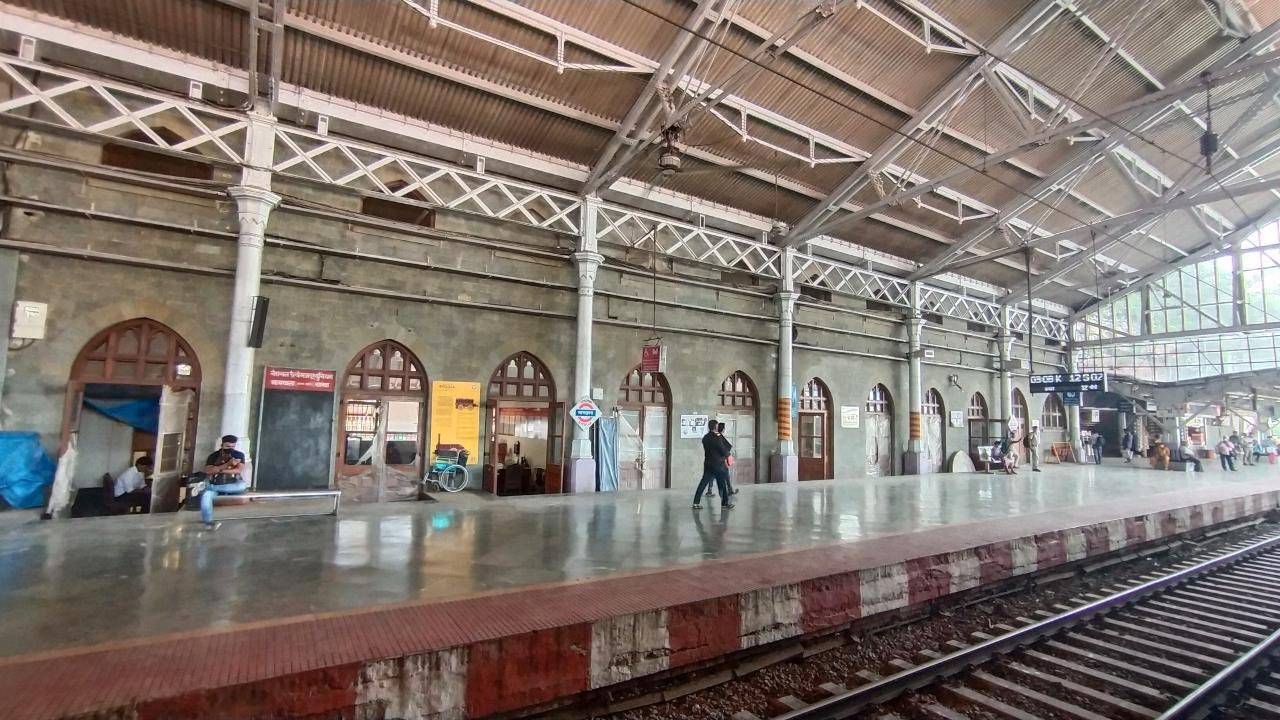
Mumbai’s historic Byculla Station recently hosted a captivating Station Mahotsav, drawing diverse crowds to explore the rich legacy of Indian Railways. This commemorative event, part of a wider initiative across Central Railway, showcased a remarkable collection of artefacts from the Great Indian Peninsula Railway era, alongside futuristic models of modern trains. The celebration underscored the pivotal role of rail infrastructure in fostering sustainable urban development and equitable mobility for the city’s burgeoning population.
Byculla Station, operational since 1853, stands as one of India’s oldest railway establishments, having served as a crucial halt for the subcontinent’s inaugural train journey from Bori Bunder to Thane on 16th April 1853. Its current building, erected in 1891, is a magnificent example of Victorian architecture, a testament to enduring design and sustainable infrastructure that continues to serve millions daily. The preservation of such historical assets contributes significantly to the cultural fabric and long-term sustainability of urban centres.
The Mahotsav transformed the station into a vibrant exhibition space, featuring a comprehensive display of heritage artefacts. Highlights included a gunmetal monogram and an old ticket window frame from the Great Indian Peninsula Railway (GIPR) era, alongside a vintage GIPR bench, iron sleepers, and early communication devices. These exhibits offered a tangible connection to the foundational years of India’s rail network, illustrating the evolution of engineering and operational practices over centuries.
Crucially, the exhibition transcended mere nostalgia by incorporating models of the contemporary Vande Bharat trains and the anticipated Bullet Train. This juxtaposition powerfully illustrated the railway’s continuous evolution towards a more eco-friendly and zero net carbon future. Modern electric and high-speed rail systems are fundamental to achieving sustainable urbanisation by reducing reliance on fossil fuels and promoting efficient mass transit, thereby contributing to cleaner air and reduced traffic congestion in metropolitan areas.
The Station Mahotsav is part of a broader series of celebrations across Central Railway, designed to engage the public with the rich history and future trajectory of the nation’s railways. Events like these foster a deeper appreciation for public infrastructure and its role in creating equitable access to opportunities for all citizens, irrespective of gender or socio-economic background. The diverse attendance, ranging from students to professionals and heritage enthusiasts, underscored the event’s inclusive appeal and its success in blending history, culture, and education for the larger societal benefit.
Also Read :Indian Railways Implements Sweeping Ticketing Reforms for Enhanced Passenger Experience
