Mumbais Aqua Line Set To Transform South Mumbai Travel
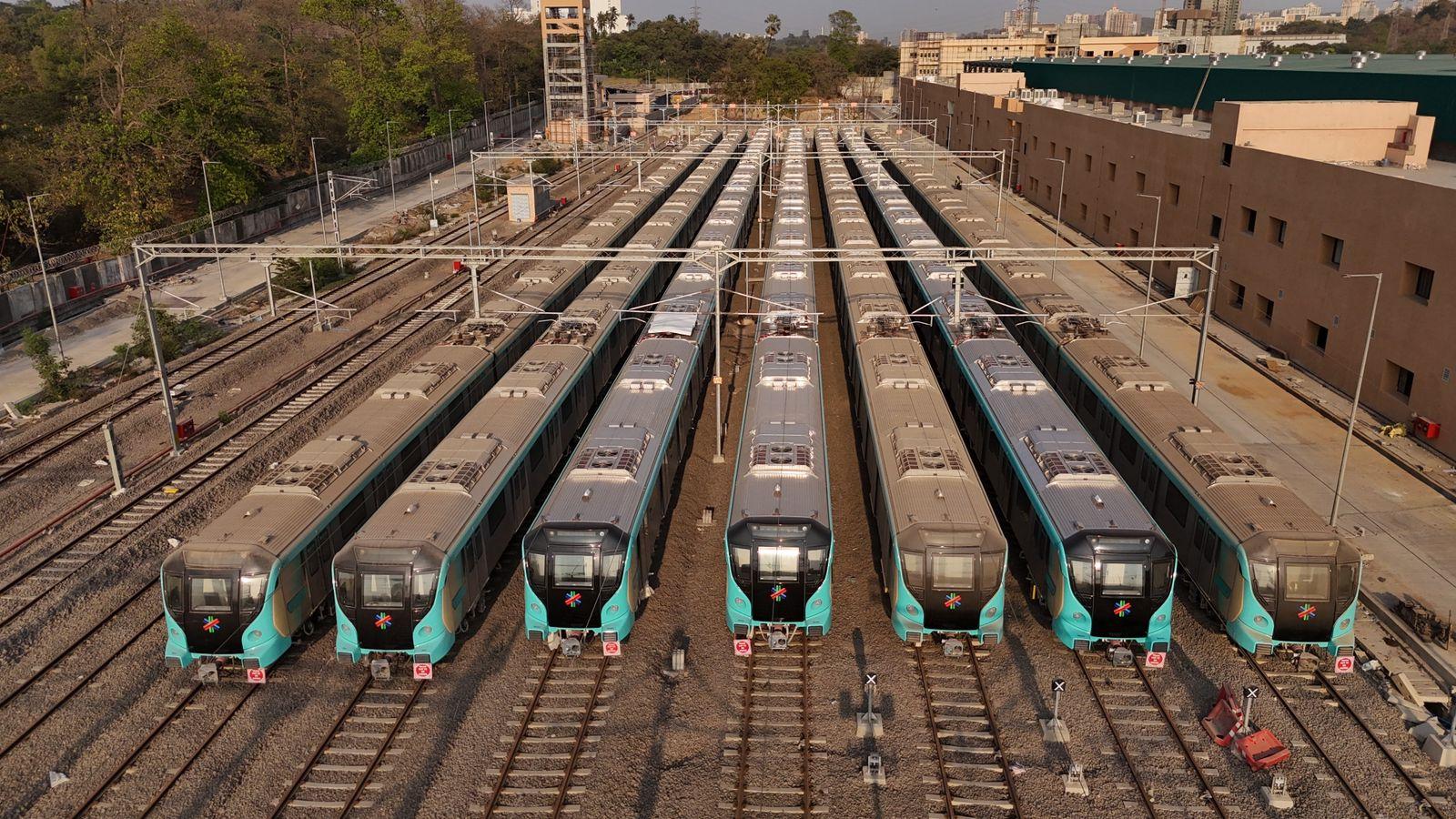
Mumbai’s much-anticipated Metro-3 Aqua Line is nearing a pivotal milestone, with its final 9.1-km underground stretch from Worli to Cuffe Parade expected to be completed by the end of August. This ambitious project, though slightly delayed from its initial Independence Day target, represents a significant leap towards redefining urban mobility in one of the world’s most congested cities. The new section promises to offer a sustainable, eco-friendly, and high-capacity alternative to road transport, fundamentally transforming the commute for thousands and bolstering the city’s commitment to creating a zero-carbon, equitable future.
The delay, attributed to the engineering complexities at two critical Kalbadevi stations, underscores the unique challenges of building modern infrastructure in a dense, heritage-rich urban core. Navigating narrow lanes, safeguarding historic structures, and managing the transport of heavy materials in a perpetually bustling area has tested the ingenuity of engineers and urban planners. However, the successful completion of tunnelling and ongoing trial runs signal that the project is in its final phase. This persistence in the face of formidable urban constraints highlights the resolve to create a fully integrated, underground public transport system that preserves the city’s surface-level fabric.
The true significance of the Metro-3 line lies in its contribution to a sustainable and eco-friendly urban model. By operating on electricity, the metro system provides a zero-carbon transport solution at the point of use, offering a clean alternative to private vehicles. Each train will have the capacity to take hundreds of cars off the road, directly reducing air pollution and noise levels across the metropolis. Furthermore, its fully underground nature ensures that a minimum amount of land is acquired, preserving open spaces and the city’s scarce green cover. This approach is a key tenet of sustainable urban development, proving that major infrastructure can be built without sacrificing vital public and environmental resources.
A modern, efficient metro system is also a cornerstone of an equitable and gender-neutral city. The Aqua Line’s state-of-the-art infrastructure, including an Automatic Fare Collection system and modern rolling stock, ensures seamless and accessible travel for all citizens. A reliable and secure public transport network empowers women and other marginalised communities by providing a safe and independent mode of travel, thereby enhancing their access to educational and employment opportunities. By making mobility a right, not a luxury, the metro system helps to bridge socioeconomic divides and foster a more inclusive urban environment.
The completion of this final stretch, following the inauguration of other strategic transport projects like flyovers and bridges, represents a coordinated effort to address Mumbai’s multifaceted traffic crisis. The new metro motorman training centre, for instance, reflects a long-term commitment to nurturing the talent needed to operate this complex network efficiently. As the Aqua Line prepares to go fully operational, it stands not only as a feat of engineering but as a powerful symbol of Mumbai’s ambition to become a truly resilient, interconnected, and sustainable metropolis for generations to come.