


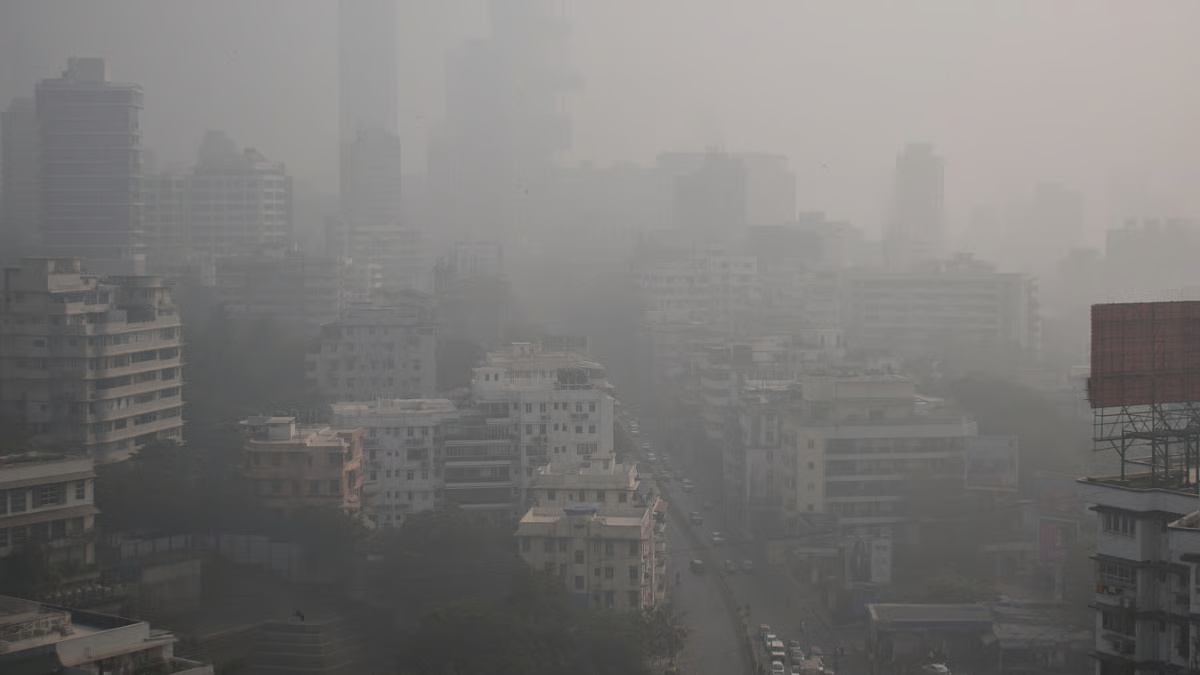
Mumbai has reactivated ward-level inspection squads to curb rising post-monsoon pollution, after the city’s Air Quality Index (AQI) slipped to 168 this week. The civic administration has added officials from the Climate Change Department to these teams for the first time, aiming to strengthen oversight at major construction and demolition sites, which remain among the city’s biggest pollution contributors.
According to civic officials, the initiative marks a stronger push to enforce the municipality’s 28-point mitigation protocol, a framework that includes continuous dust suppression, site barricading, waste-handling norms and sensor-based monitoring. The administration believes that the presence of climate specialists will help ensure scientific assessment of compliance rather than relying solely on engineering checks. Each of the 24 administrative wards will now host a squad comprising engineers, a Climate Change Department representative and support from local police personnel. These teams have been directed to conduct daily inspections, particularly at larger construction sites that are active during the peak post-monsoon building season. Officials noted that several stretches of the city experience visible dust plumes during peak traffic hours, largely due to infrastructure work and heavy goods movement.
An official associated with the initiative said the strengthened squads were necessary to limit the pollution surge typically seen after the rains. “While our environment teams have been driving the action plan, field-level representation was missing. This year, we are embedding a climate specialist in every ward to monitor compliance in real time,” the official said, adding that the quality of enforcement would improve with interdisciplinary oversight. The municipal guidelines require developers to install metal barricades along site boundaries, wrap under-construction structures with green fabric or tarpaulin sheets and use water spraying systems during demolition. Sites must also deploy sensor-based air quality monitors and CCTV cameras to document compliance. Officials warned that repeated violators could face work stoppages or sealing until corrective measures are implemented.
Industry observers believe that the stepped-up enforcement could contribute to more sustainable construction practices, which remain critical for a city grappling with traffic congestion, dense development and climate-related vulnerabilities. Better dust control also aligns with Mumbai’s long-term air-quality commitments under national clean air targets. Urban planners argue that the move reflects a broader shift toward integrating climate considerations into routine civic governance, especially as cities nationwide explore strategies to build healthier and more equitable neighbourhoods. They note that sustained monitoring, combined with transparent reporting, can help ensure that environmental safeguards do not remain on paper.
While the immediate goal is to stabilise air quality during the ongoing construction season, officials said the expanded squads may stay active through the year, particularly if pollution levels fluctuate. For residents, improved enforcement offers some reassurance as the city heads into a period typically marked by stagnant winds and increased vehicular congestion.
Also Read : Thane Invites Bids For Major Overhead Line Modification Works In Metro Project
