


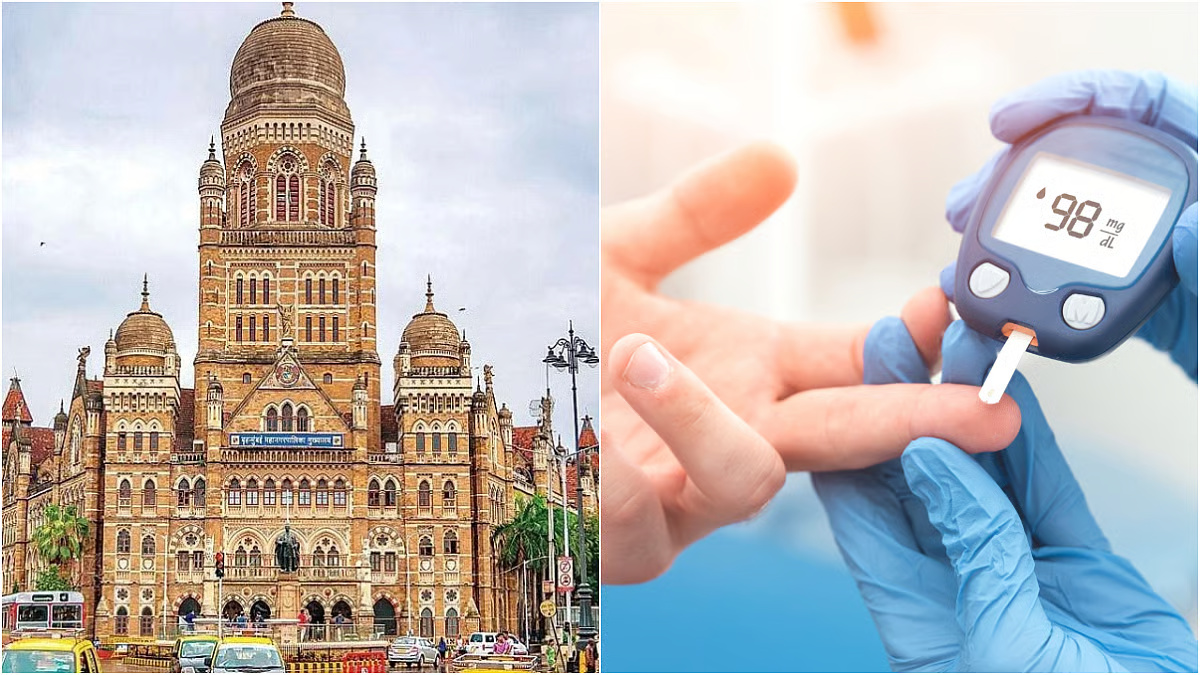
A new civic health assessment in Mumbai has revealed a concerning gap in public understanding of sugar-related health risks, with barely a quarter of surveyed residents aware of the long-term dangers of excessive sugar intake. The findings also show that more than 15 per cent of those screened fall within the pre-diabetic category, underlining a growing urban health challenge in one of India’s largest metropolitan centres.
According to officials involved in the study, the assessment was conducted as part of the city’s wider non-communicable disease monitoring programme, which aims to gauge early signs of lifestyle-related illnesses. The results, they said, should serve as a wake-up call for a city already navigating unprecedented shifts in dietary habits, sedentary lifestyles, and rapid urbanisation. “These numbers reflect what we have been observing on the ground—processed food consumption is rising, but awareness is not keeping pace,” a senior civic health official noted. Experts in public health and urban wellness say that Mumbai mirrors trends seen in other fast-growing global cities, where the popularity of packaged foods and high-sugar beverages has surged. They point out that while diabetes has long been associated with genetic predisposition, environmental and behavioural factors in dense urban environments are now accelerating the condition. A nutrition specialist explained that lifestyle-linked chronic diseases could place considerable strain on urban healthcare systems if preventive strategies are not prioritised.
The civic body has urged residents to take proactive steps, including reading food labels carefully, choosing low-sugar alternatives, and adopting regular screening practices. Officials emphasise that early detection plays a crucial role in preventing long-term complications and reducing healthcare burdens. The city’s public health campaigns are also being recalibrated to target younger residents, especially as early-onset diabetes becomes increasingly common in Indian cities. Urban planners and sustainability practitioners note that health outcomes are deeply intertwined with broader questions of urban design and equity. Inadequate access to fresh, affordable food options, limited recreational spaces, and high-density neighbourhoods often contribute to unhealthy lifestyle patterns. As an urban planner pointed out, building inclusive and health-centric public spaces—such as walkable streets, community fitness areas, and green neighbourhoods—can make a measurable difference in public health indicators.
The findings, experts say, underscore the urgent need to integrate public health considerations into Mumbai’s long-term vision as it works towards a more liveable and equitable urban future. Tackling rising pre-diabetes and low awareness levels will require sustained behavioural interventions, stronger food labelling norms, and improved access to preventive healthcare facilities. While the civic body continues its awareness efforts, the report highlights that meaningful change will come only through a collective shift in how the city eats, moves, and lives.
Also Read: BMC Pushes Tender To Finish 7.25 Km Coastal Promenade Gap In Mumbai
