


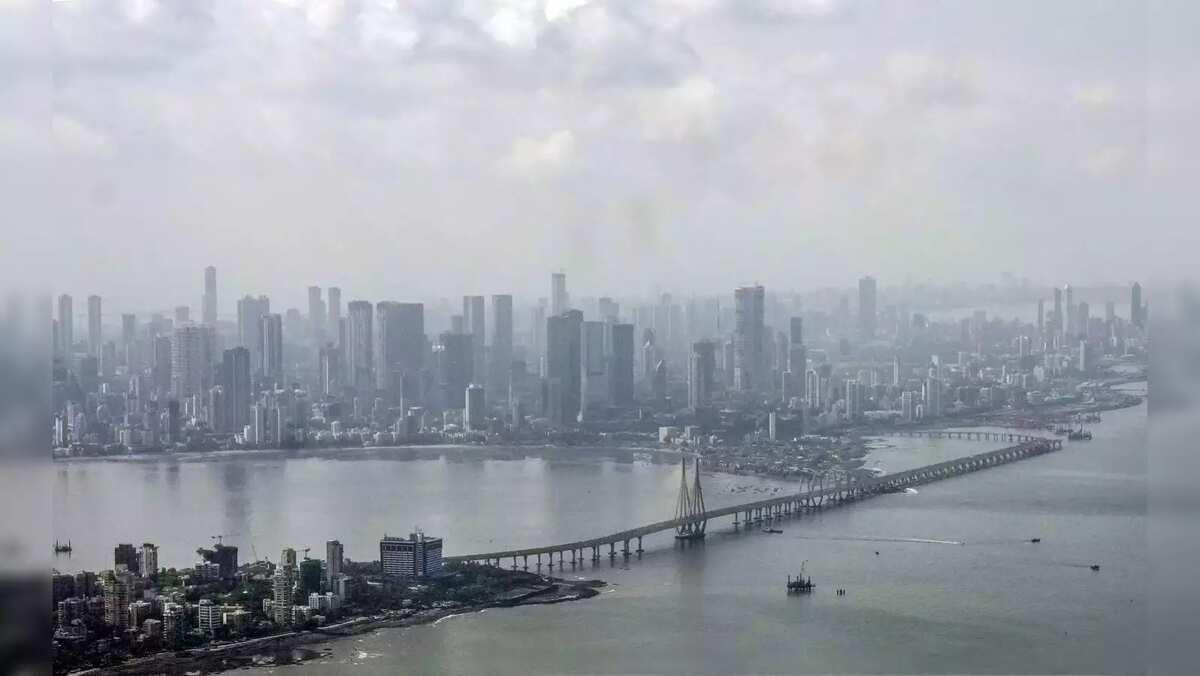
Mumbai’s ultra-luxury housing market closed 2025 with another landmark transaction, underscoring the city’s enduring appeal to India’s high-net-worth individuals. Two adjoining premium apartments in Worli were jointly acquired for a combined value of Rs 190 crore, marking one of the most expensive residential deals registered in the final days of the year. The purchase reflects sustained confidence in top-tier urban real estate despite broader economic volatility.
The homes are located in a super-luxury high-rise overlooking the Arabian Sea, a segment increasingly favoured by business leaders seeking privacy, security, and proximity to Mumbai’s commercial districts. With a combined carpet area exceeding 12,000 sq ft, along with expansive balconies and private terraces, the transaction highlights the continued demand for large-format residences within dense urban cores rather than peripheral gated estates. Industry observers note that Worli has emerged as a focal point for such purchases due to its central location, upgraded coastal infrastructure, and improving connectivity through road and transit investments. These factors have helped reinforce the neighbourhood’s position as a preferred address for buyers who value both convenience and long-term asset security. The sellers were promoters associated with one of Mumbai’s largest real estate groups, signalling ongoing churn within the city’s premium housing stock. The deal also involved significant statutory payments, including stamp duty running into double-digit crores, contributing directly to state revenues at a time when public finances are under pressure to fund urban infrastructure and climate-resilience projects.
Beyond its headline value, the transaction is emblematic of a wider trend shaping Mumbai’s housing market. Data from property market trackers indicate that 2025 witnessed one of the strongest years for ultra-luxury residential sales, with a growing share of buyers coming from the pharmaceutical and healthcare sectors. Post-pandemic wealth creation, global exposure, and a preference for hard assets have driven this cohort towards high-end real estate in India’s financial capital. Urban economists point out that such deals carry mixed implications. While they reaffirm Mumbai’s status as a global city capable of attracting and retaining wealth, they also raise questions about housing affordability and spatial equity. Concentration of capital in a limited number of coastal neighbourhoods risks widening disparities unless balanced by investments in mid-income housing, public transport, and social infrastructure across the metropolitan region.
Looking ahead, experts expect demand for ultra-luxury homes to remain steady, supported by limited supply of prime sea-facing land and stricter development controls. However, the sustainability of this segment will increasingly depend on how developers integrate energy efficiency, water management, and low-carbon construction into premium projects. As Mumbai prepares for climate risks and population growth, the challenge will be ensuring that high-value transactions translate into broader urban resilience rather than isolated islands of wealth.
Also Read: India Office Leasing Driven By Tech And GCCs
Mumbai Worli Sees Rs 190 Crore Ultra Luxury Deal
