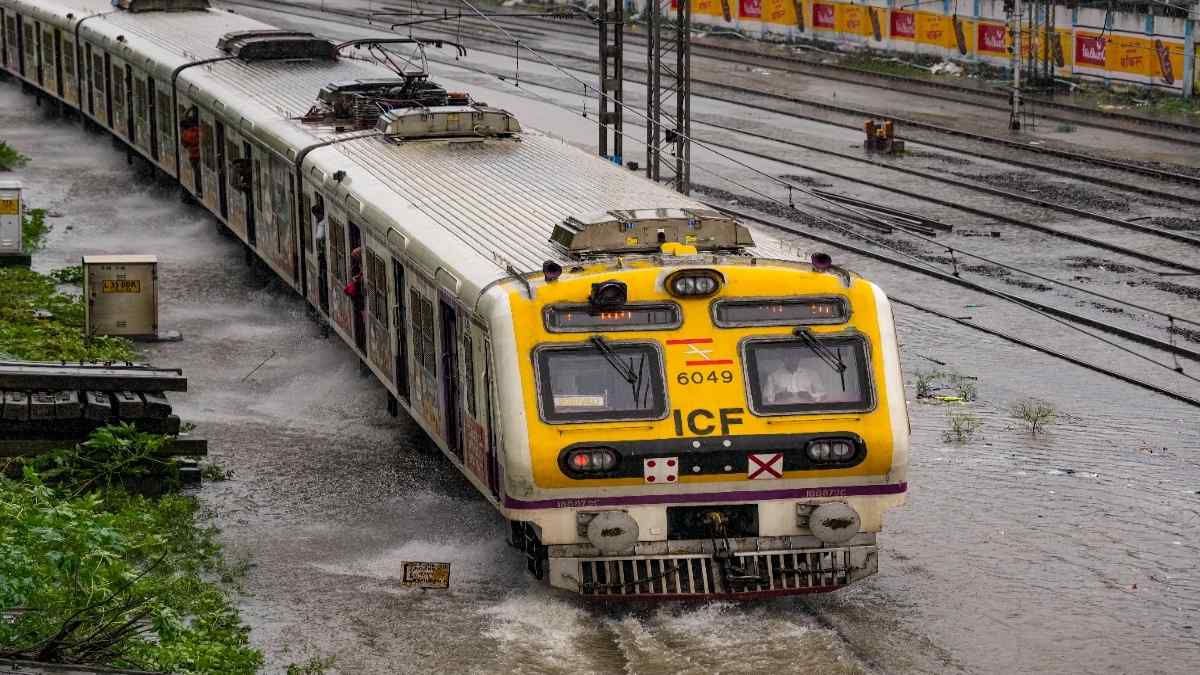
Mumbai’s Western suburban railway corridor faced a difficult commuting day as a large number of local train services were withdrawn to facilitate critical maintenance and network upgrades. The disruption, centred around the Kandivali–Malad section, affected daily travel for lakhs of commuters, underscoring the fragile balance between keeping India’s busiest suburban rail system running and modernising ageing infrastructure.
Railway operations were impacted following the temporary suspension of movements at the Kandivali car shed, a key facility responsible for the deployment and maintenance of suburban rakes. In parallel, speed restrictions were imposed on fast lines between Kandivali and Malad to enable safety checks and technical work. Together, these measures significantly reduced operational flexibility on the corridor, resulting in widespread cancellations across the day. Transport planners point out that the Western line is among Mumbai’s most heavily loaded transit arteries, linking residential suburbs with major employment hubs. Even limited service reductions tend to cascade into longer waiting times, crowding, and commuter fatigue, particularly during peak hours. For many office-goers, students, and informal workers, suburban rail remains the only affordable and time-efficient mobility option.
The inconvenience, however, comes against the backdrop of a major infrastructure milestone. Rail authorities have recently completed the final stretch of the sixth rail line between Mumbai Central and Borivali, marking the conclusion of the first phase of a long-planned capacity expansion. The additional line is intended to separate suburban services from long-distance and freight trains, a structural change expected to improve punctuality and reduce conflicts on the network. Urban mobility experts say such upgrades are essential if Mumbai is to sustain rail-based commuting as the backbone of a low-carbon transport system. Suburban rail already prevents millions of daily car and two-wheeler trips, significantly reducing emissions and congestion. However, these benefits depend on reliability, safety, and the ability to scale services alongside population growth.
The ongoing works include the commissioning of modern signalling and interlocking systems, bridge strengthening, and upgrades to overhead electrical equipment. These investments aim to improve safety margins and enable higher service frequency once fully operational. While the immediate impact has been disruptive, rail officials indicate that phased commissioning is unavoidable in a live network carrying millions every day. Looking ahead, the episode highlights a broader urban challenge: upgrading essential infrastructure without disproportionately burdening citizens who rely on it. As Mumbai continues to invest in rail expansion, metro corridors, and station redevelopment, planners will be under pressure to improve coordination, communication, and last-mile alternatives during disruptions. For now, commuters are being asked to endure short-term discomfort in exchange for a suburban rail system better equipped for the city’s future.
Mumbai Western Railway Upgrade Causes Widespread Service Cancellations