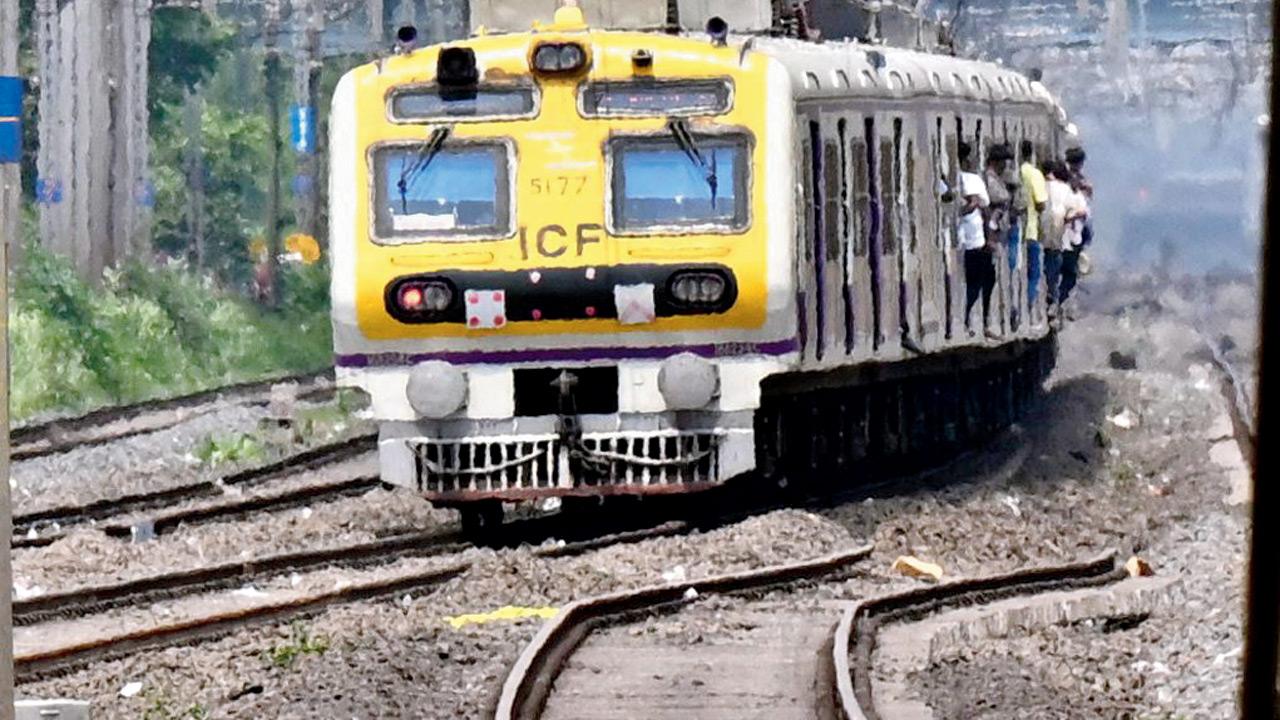
Mumbai Western Railway Unveils Three Year Plan To Boost Services
Mumbai’s suburban rail network is set for its most ambitious upgrade in decades, as Western Railway rolls out a multi-phase expansion plan to be completed by 2027. The project will introduce new dedicated corridors to separate suburban trains from long-distance services, easing congestion and enabling faster, more frequent commutes for millions. With key stretches already operational and several more under construction, the plan promises to reshape daily travel while steering the city toward more sustainable transport solutions.
At the heart of the plan is the creation of new dedicated rail corridors between Khar Road and Dahanu, allowing suburban services to operate independently from mail and express trains. Officials say the separation will unlock the potential for more frequent services and reduce congestion across one of the busiest suburban networks in the world.The first phase is already in motion. The sixth line between Bandra Terminus and Goregaon was completed in November 2023, followed by the Goregaon–Kandivli section in October 2024. The remaining link from Kandivli to Borivli is expected by October 2025, creating a continuous suburban corridor between Bandra Terminus and Borivli.
The second phase will revive a long-pending plan to add two new lines between Bandra and Mumbai Central, with a completion target within the next three years. Once operational, this will allow for the redistribution of services, giving suburban trains priority on key stretches.Plans are also underway for a fifth and sixth line between Borivli and Virar, currently in the approval stage, with a completion goal of December 2027. Beyond Virar, where only two lines currently exist, construction of a third and fourth line towards Dahanu is set to conclude by December 2026. This will remove existing bottlenecks and enable smoother train movement for both suburban and long-distance services.
In a further boost to connectivity, the Harbour Line will be extended from Goregaon to Borivli by December 2027, creating additional interchange opportunities and reducing dependency on overcrowded road routes.Transport experts believe this overhaul could be transformative for Mumbai’s daily commuters, many of whom face overcrowded trains, long travel times, and frequent delays. The creation of separate corridors is expected to improve energy efficiency, reduce stoppage delays, and help in moving towards a lower-carbon, sustainable transport model for the city.
Officials involved in the project emphasise that these works are being planned with an eye on future population growth and travel demand. By 2027, the city’s suburban rail backbone could be more resilient, sustainable, and commuter-friendly, marking a step forward in building equitable and environmentally conscious urban mobility.If executed on schedule, the Western Railway’s expansion could well be the catalyst that reshapes Mumbai’s commuting experience for decades to come.