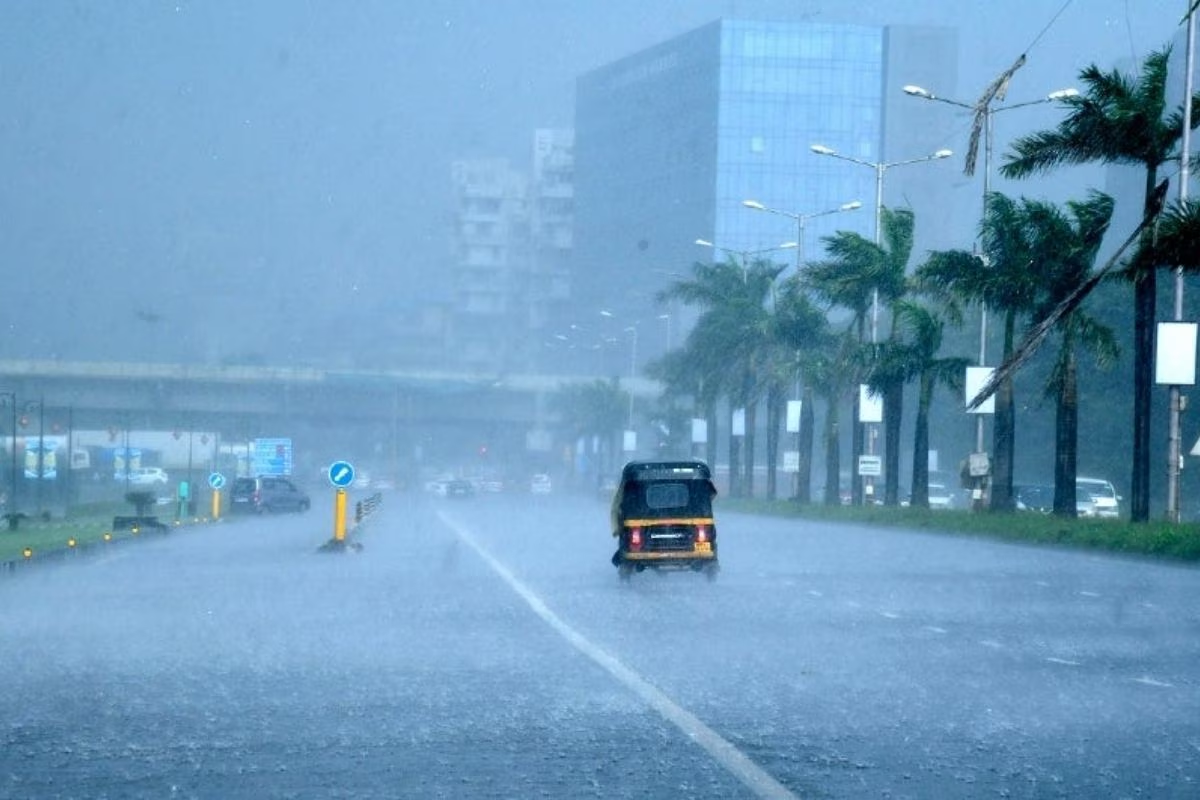
Mumbai may face heavy to very heavy rainfall today with strong winds expected in isolated areas, according to the Indian Meteorological Department’s latest weather bulletin. The city of Mumbai has been placed under a yellow alert for the third consecutive day as persistent monsoon conditions are expected to intensify across the metropolitan region.
The Indian Meteorological Department (IMD) has forecast heavy to very heavy rainfall in isolated areas of the city and suburbs, along with gusty winds that could reach speeds of 45 to 55 kilometres per hour. This alert comes at a time when the city is grappling with rising water levels in reservoirs and mounting concerns about localised flooding. Urban planners and sustainability experts believe that such climate trends only reinforce the urgency for robust stormwater infrastructure and climate-responsive urban planning. Heavy rainfall events, especially in coastal cities like Mumbai, underline the deep interlinkage between climate adaptation and equitable civic infrastructure.
High tides are expected to further complicate water discharge efforts. The municipal tide monitoring system has reported that the next high tide will occur at 8.33 pm, reaching a peak of 3.12 metres. A low tide of 2.49 metres is expected at 3.08 pm, with another low tide forecast at 2.56 am early Monday, which will see the sea level dip to 1.29 metres. These tidal shifts, when combined with intense downpours, raise the likelihood of backflow and waterlogging in low-lying areas. Officials have urged residents to avoid waterlogged zones and remain indoors during peak rainfall hours. Local civic bodies have stepped up drain-clearing operations, emergency response deployment, and real-time weather updates to avoid disruptions, particularly in transport and essential services. Despite the city’s ongoing investments in climate resilience projects, sudden bursts of rainfall continue to strain ageing urban infrastructure.
Experts highlight that the yellow alert should not be taken lightly, especially in densely populated neighbourhoods where rainwater accumulation often displaces marginalised communities. These weather patterns also raise broader questions about environmental equity—whether all citizens, regardless of socio-economic standing, have equal access to secure shelter, emergency relief, and infrastructure safeguards. While officials continue to monitor developments closely, city planners are also looking beyond short-term alerts to long-term strategies. Integrated floodplain zoning, nature-based drainage solutions, and community engagement in climate risk management are emerging as critical tools in protecting Mumbai’s urban ecosystem from escalating monsoon risks.
Mumbai’s position as India’s financial and cultural capital also makes it particularly vulnerable to disruptions caused by climate-related events. Rain-triggered slowdowns can derail transit, business activity, and educational routines. With the monsoon season still unfolding, civic and state agencies are being called upon to deepen coordination across environmental, engineering, and social welfare functions. In the face of these uncertainties, it is crucial for Mumbai’s civic authorities and residents to maintain readiness, not only to respond but to adapt. The monsoon is no longer just a season—it is a mirror reflecting the health, resilience, and inclusivity of our cities. How Mumbai navigates this phase will set the tone for other Indian metros confronting similar urban climate realities.