Mumbai Waterfront Transformation To Become Maritime Hub
Mumbai’s historic eastern waterfront is poised for a sweeping transformation under a ₹22,672-crore masterplan that aims to reposition India’s financial capital as a leading maritime, cruise and blue-economy hub by 2047. The initiative, announced by Union ports authorities as part of long-term strategic planning, seeks to harmonise port operations, tourism, urban recreation and economic growth while strengthening resilience and public access along the city’s shoreline.
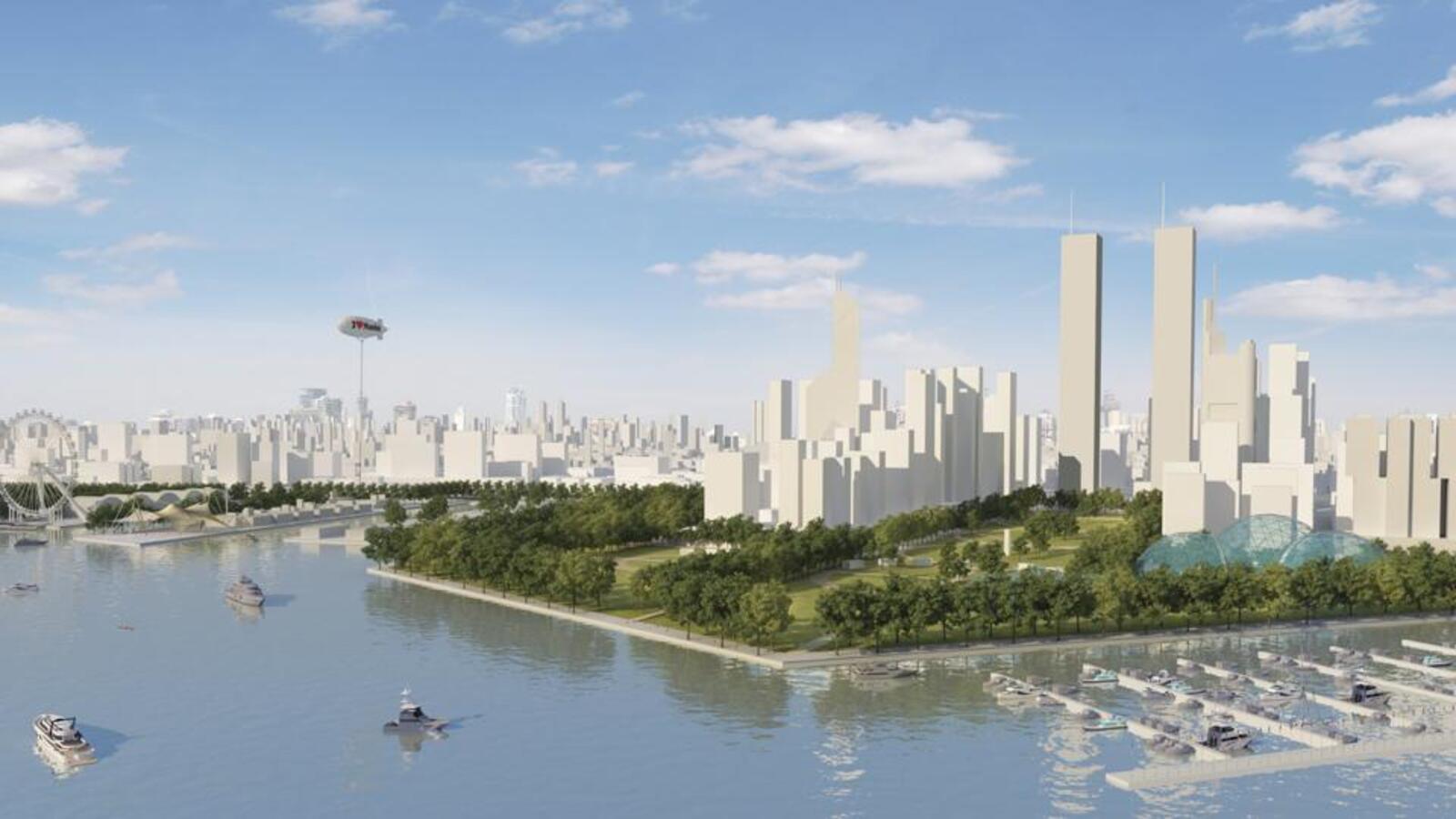
At the heart of the blueprint is the redevelopment of under-utilised port lands adjoining the Mumbai Port Authority (MbPA) precincts into a multi-faceted waterfront district that would support cargo expansion, maritime business parks, convention facilities and world-class cruise infrastructure. Key projects include the Viksit Bharat Mumbai Marina, envisaged as India’s largest marina with capacity to berth more than 400 yachts, and new cruise and passenger terminals designed to integrate leisure, hospitality and logistics.The marina — to be developed in a hybrid public-private model with an estimated ₹887-crore investment — reflects a shift towards port-driven urban regeneration that supports both economic diversification and experiential public spaces. Its facilities are expected to enhance marine tourism, bolster coastal shipping services and create thousands of jobs across operations, hospitality and allied industries.
Beyond marinas and berths, the waterfront vision envisages a high-end convention centre at Prince’s Dock, cruise terminals at Bhaucha Dhakka and M-Shed, an international sailing school and expanded fishery jetties to support traditional livelihoods and small-scale maritime commerce. A 3.5-kilometre continuous promenade with dining, cultural spaces and themed streets will link these elements with green and public realms, creating day-to-night waterfront activation for residents and visitors alike.Port authorities are simultaneously pursuing cargo expansion and logistics upgrades. The masterplan aims to lift Mumbai Port’s handling capacity towards 150 million tonnes per annum by mid-century, supported by new berths for hydrocarbons, chemicals and bulk cargo in the outer harbour. These enhancements are intended to solidify the city’s role as a major global gateway in freight and maritime services, while stimulating inland connectivity to industrial zones.
Urban development experts observe that the strategy ties into broader national frameworks like the Cruise Bharat Mission, Maritime Amrit Kaal Vision 2047 and regional growth plans by economic think-tanks, which emphasise integrated urban-maritime growth clusters. By aligning port infrastructure with cruise tourism and urban vibrancy, Mumbai is positioning itself to attract tourists, business travellers and global investments in the blue economy — a sector that prioritises sustainable use of ocean resources and coastal ecosystems.However, translating ambitious plans into inclusive growth will necessitate careful governance. Stakeholders caution that environmental assessments, equitable access for local fishing communities, climate resilience measures against sea-level rise and robust public engagement are essential to ensure that waterfront activation benefits a broad cross-section of citizens without exacerbating coastal risks or displacing informal livelihood networks.
As Mumbai moves to reimagine its waterfront, combining cargo, cruise, culture and commerce on a singular platform, the outcome could define how coastal megacities balance heritage, climate adaptation and economic modernisation in the decades ahead.