


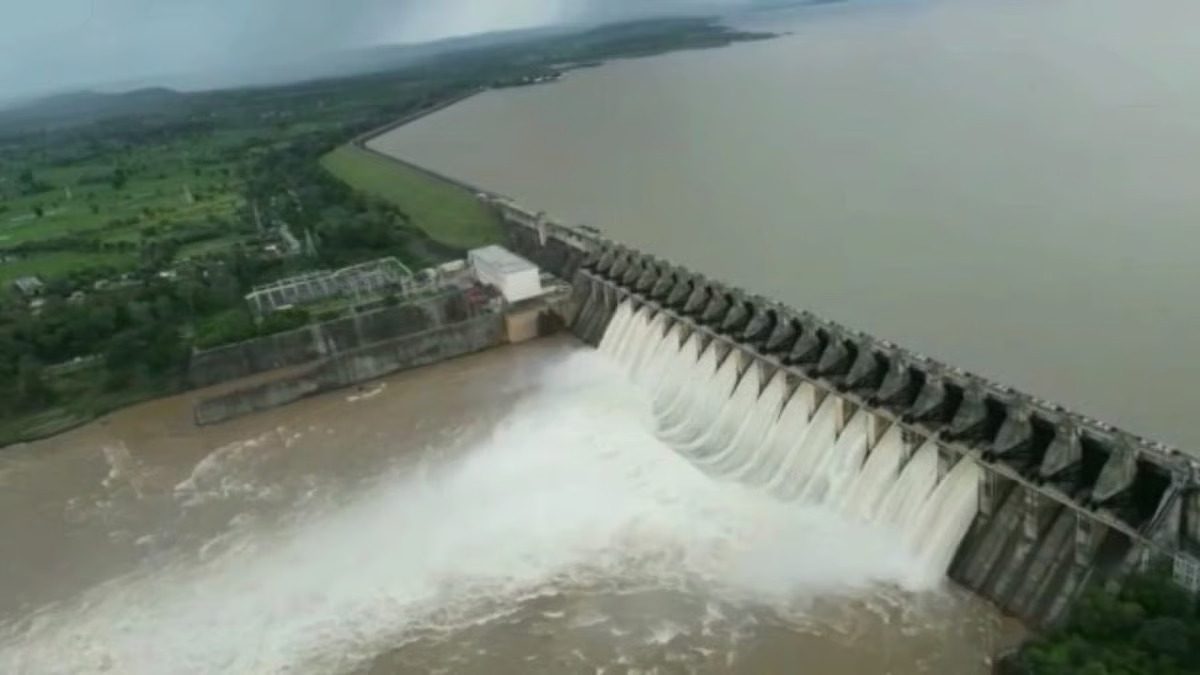
Mumbai’s water reserves have hit near-full capacity, offering a rare reprieve for the city’s residents as civic officials confirm that no water supply cuts are planned. The city’s seven key lakes have collectively reached 98.82 percent of their total storage, amounting to 14.30 lakh million litres (ML), marking the highest water stock level in the past three years. Officials attribute this surge to consistent and heavy rainfall across the lake catchment areas over recent days.
Three lakes—Modak Sagar, Tulsi, and Vihar—have already started overflowing for the second consecutive time, while Tansa, Upper Vaitarna, Middle Vaitarna, and Bhatsa are nearing full capacity. With Mumbai requiring a combined stock of 14.47 lakh ML by October 1 to maintain uninterrupted water supply throughout the year, the current reserves provide a significant buffer, according to civic experts. “Continued rainfall in the coming weeks will likely help the city surpass the required threshold comfortably,” a senior BMC official stated. Comparisons with previous years indicate a marked improvement. As of the same date last year, Mumbai’s lakes held 14.28 lakh ML, or 98.71 percent of capacity, while in 2023, levels were slightly lower at 14.03 lakh ML, or 96.98 percent. The current abundance provides a substantial margin of safety against seasonal water shortages and reinforces the resilience of the city’s water infrastructure.
Officials have highlighted that this favourable scenario allows for uninterrupted supply across municipal zones. The BMC confirmed that no rationing or cuts are planned, with all areas expected to receive water in full until the next monsoon season. Enhanced storage levels also reduce pressure on pumping stations and distribution networks, offering operational efficiency gains alongside citizen convenience. Urban planners and water management experts view the current surplus as an opportunity to promote sustainable water use practices while maintaining civic infrastructure. “High storage levels provide a strategic advantage, allowing authorities to manage demand efficiently and implement eco-friendly water conservation measures across the city,” said an official from the BMC water resources department.
Mumbai’s lake system, which forms the backbone of the city’s potable water supply, has benefitted from a combination of well-maintained catchment areas and effective reservoir management. Continued monitoring of inflows and outflows is being prioritised to ensure safety, especially in overflowing reservoirs, while optimising distribution for residential and industrial use. With over two weeks remaining before the critical October 1 target, authorities remain cautiously optimistic about maintaining high water levels, even as they prepare for potential variability in monsoon patterns. Residents are encouraged to continue water-saving practices, ensuring that the city maximises the benefit of this favourable rainfall cycle while supporting long-term sustainability goals.
Also Read : Pune PMPML Begins Trial Runs Of Double Decker Electric Buses
