


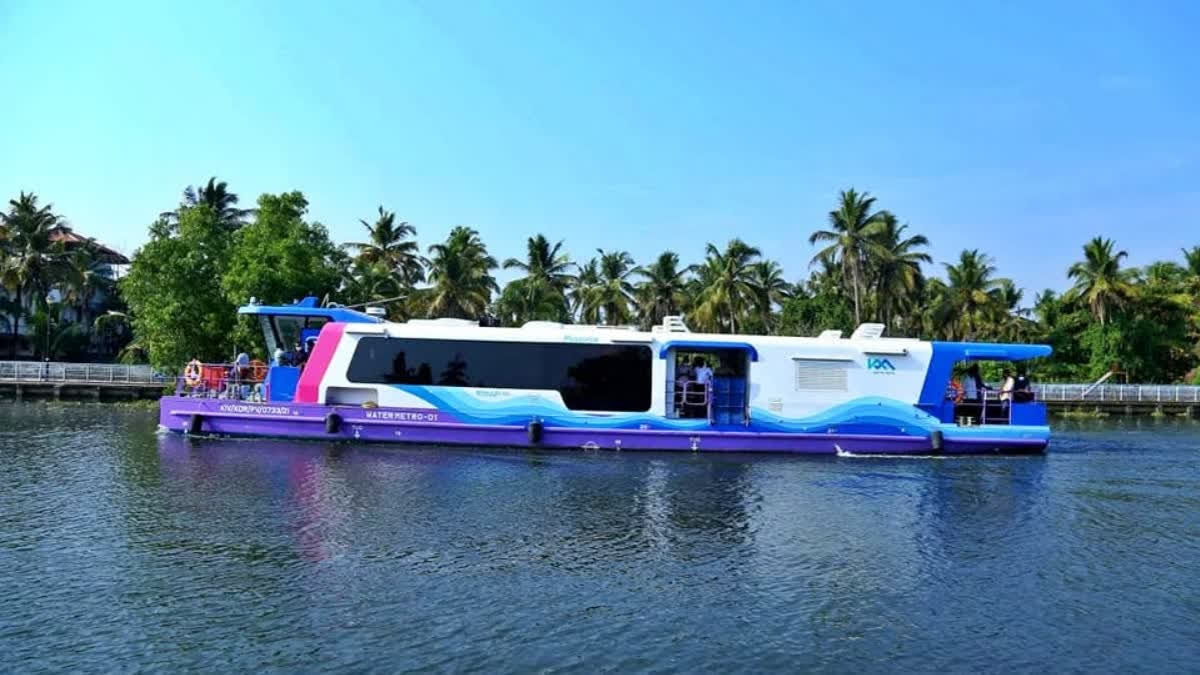
Mumbai is set to embark on a transformative journey towards sustainable urban mobility with the approval of its ambitious water metro project. Modeled after the successful Kochi Water Metro, this initiative aims to alleviate the city’s chronic traffic congestion, reduce carbon emissions, and enhance connectivity across the Mumbai Metropolitan Region (MMR). The Maharashtra government has greenlit the development of a water-based public transport system that will connect key areas within the MMR.
The project envisions the establishment of 29 terminals and 10 routes, facilitating seamless travel between North and South Mumbai, as well as extending to regions like Navi Mumbai and Vasai. The proposed routes include Narangi-Kharwadeswari, Vasai-Mira Bhayander, Fountain Jetty-Gaimukh-Nagale, Kolset-Kalher-Mumbra-Kalyan, and Vashi-Domestic Cruise Terminal (DCT), among others . The project is estimated to cost ₹2,500 crore, covering the construction of terminals, procurement of battery-powered ferries, and the development of necessary infrastructure. The Detailed Project Report (DPR) is expected to be submitted within three months, with the project slated for launch by early 2026 .
The Kochi Water Metro, launched in December 2023, serves as a benchmark for Mumbai’s initiative. The Kochi model features 78 battery-powered hybrid ferries operating across 76 kilometers of waterways, connecting 38 terminals. This system has not only provided an eco-friendly alternative to road transport but has also significantly reduced carbon emissions and improved the socio-economic conditions of island communities . Mumbai’s water metro project aims to replicate this success by integrating modern technology and sustainable practices. The use of battery-powered ferries will minimize noise and air pollution, aligning with the city’s commitment to achieving zero net carbon emissions. The water metro is expected to complement existing modes of transport, including the suburban railway and metro systems, by providing an alternative route for commuters. This multi-modal integration will facilitate smoother transitions between different modes of transport, thereby reducing the burden on overburdened road networks.
In addition to easing daily commutes, the water metro is anticipated to boost tourism by offering scenic and eco-friendly travel options. Proposed routes will connect cultural landmarks, recreational areas, and natural attractions, providing both locals and tourists with unique experiences. The project emphasizes inclusivity by ensuring that terminals and ferries are accessible to all passengers, including the differently-abled. Floating pontoons and other adaptive features will be incorporated to facilitate easy boarding and alighting. Sustainability remains at the core of the project, with plans to incorporate solar energy solutions and other green technologies to power terminals and ferries. Regular maintenance of water bodies will also be undertaken to ensure the longevity and efficiency of the system.
The approval of the Mumbai Water Metro project marks a significant step towards creating a sustainable, eco-friendly, and equitable urban transport system. By leveraging the city’s waterways, the project aims to reduce traffic congestion, lower carbon emissions, and provide residents with a reliable and efficient mode of transport. As the project progresses, it will not only transform the way Mumbaikars commute but also set a precedent for other cities across India to explore water-based transportation solutions. The successful implementation of the water metro will contribute to the larger goal of building zero net carbon, eco-friendly, and sustainable cities.
Also Read :Mumbai Sets 3 Month Deadline for Water Metro DPR
