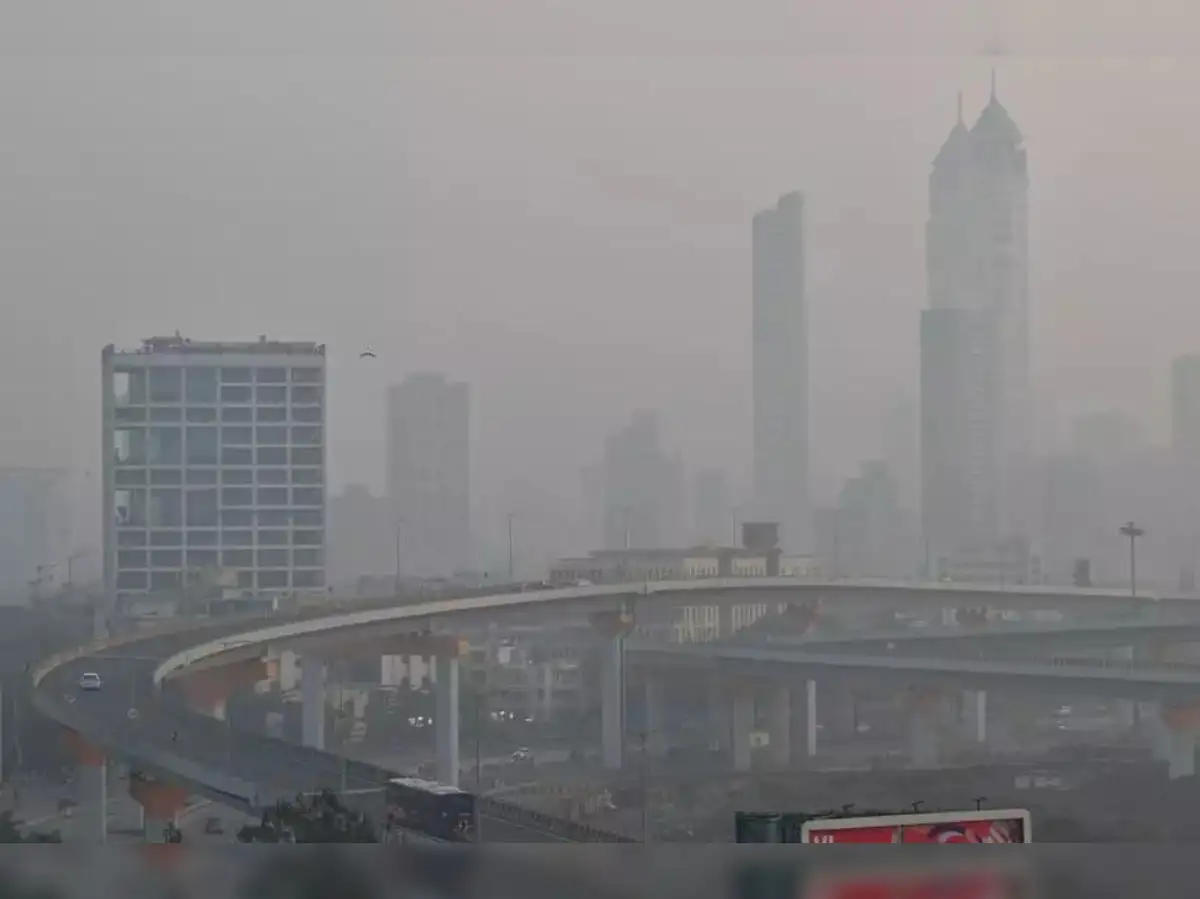
Mumbai’s civic administration has intensified its enforcement drive against construction-related emissions, warning developers of strict penalties if on-site air quality monitoring systems are found inactive. The move comes as sensor-based readings indicate persistent deterioration in the city’s pollution levels through November, raising concerns over public health and the broader environmental impact on the region’s dense urban fabric.
According to officials, more than 650 sensor-based Air Quality Index (AQI) units have been installed across construction sites under a programme designed to monitor emissions in real time. Another 250 monitors are currently being deployed. However, a technical review conducted this week found that over 100 units were inactive or transmitting irregular data to the centralised dashboard, prompting the municipal corporation to intervene.Civic authorities have issued ‘stop work’ notices to 53 construction projects for failing to comply with pollution control norms. These include large clusters of violations across Siddharth Nagar, Mazgaon and Malad (West), signalling uneven adherence to air management guidelines across different wards. An official involved in the monitoring process said the enforcement was necessary given the scale of ongoing construction activity and its contribution to localised dust emissions.
The dashboard, developed in partnership with an environmental research body, consolidates AQI readings from sites across the city to allow coordinated response planning. Officials noted that non-functional sensors compromise this integrated system and hinder efforts to identify hotspots. The administration reiterated that developers must keep monitoring infrastructure active at all times, adding that non-compliance could attract immediate suspension of work.The civic body has also convened meetings with the state’s Environment and Climate Change Department, technology vendors and environmental experts to improve data reporting standards. The discussions focused on developing uniform protocols for sensor maintenance, integrating machine learning tools for early-warning analysis and strengthening transparency for public access to air quality data.
Alongside construction oversight, the city continues to push cleaner operations in other pollution-intensive sectors. Flying squads have been inspecting bakeries and crematoria to ensure a transition to cleaner fuels. Of the nearly 600 bakeries surveyed, a growing proportion has already shifted to approved fuel sources, with many more in the process of conversion. Officials describe this as part of a broader effort to embed sustainable practices into everyday urban systems.Industry planners note that while Mumbai’s dense urban form makes pollution control challenging, the expansion of data-driven monitoring tools marks a significant shift towards accountable environmental governance. With winter conditions expected to trap more particulate matter in the atmosphere, experts stress that consistent enforcement will be crucial for safeguarding public health.The civic body maintains that sustained improvements will depend on coordinated action between regulators, developers and citizens, underscoring the need for cleaner construction practices to support the city’s long-term vision of a more breathable, equitable urban environment.
Mumbai Warns Construction Sites As AQI Sensors Shut Down Amid Rising Pollution