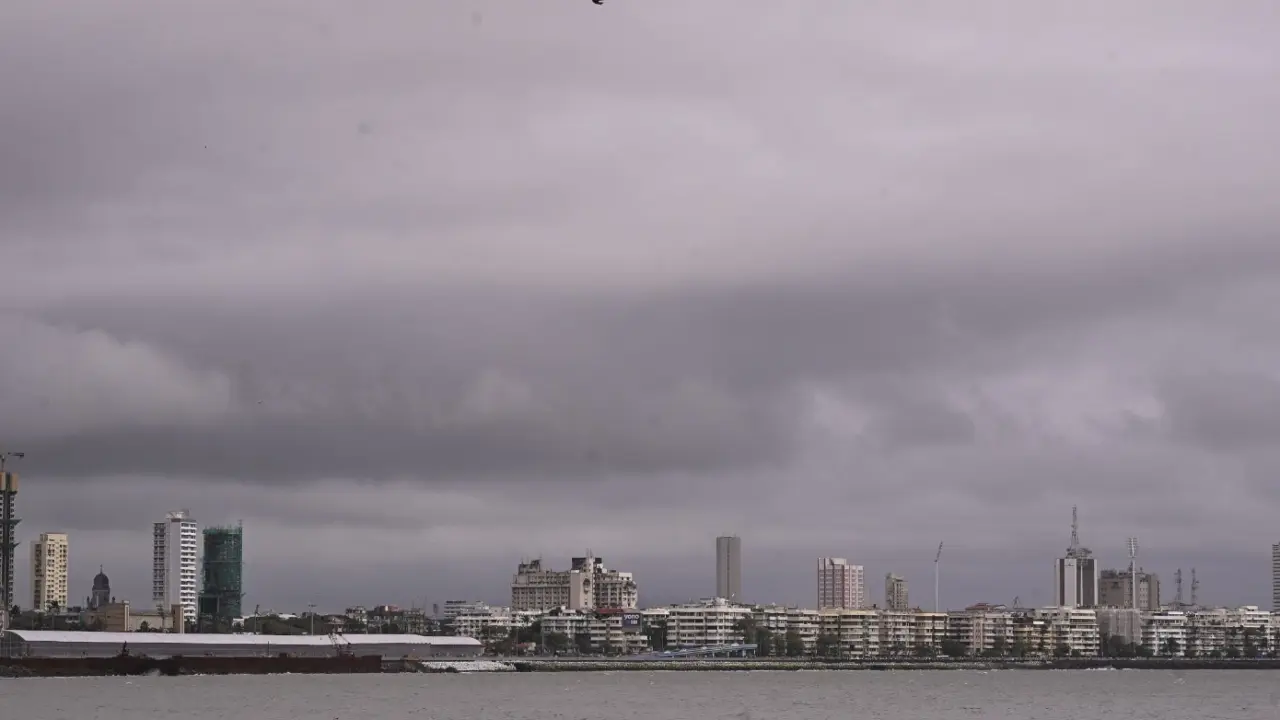
Mumbai wakes to cloudy skies rain improves city air quality
Mumbai woke up to a refreshing change on Friday morning as light to moderate showers and cloudy skies swept across the city, cooling the air and significantly improving overall air quality. The rainfall, which began intermittently on Thursday night, extended into the early hours, touching areas across South Mumbai, Kurla, Bandra, and Andheri, bringing much-needed relief from the recent heat and pollution.
According to meteorological officials, the India Meteorological Department (IMD) forecast for the day suggested partly cloudy skies with the likelihood of scattered rain or thunderstorms. Temperatures are expected to range between 25°C and 32°C, maintaining a comfortable atmosphere compared to the preceding humid spell. The unseasonal rain has not only made the weather pleasant but has also played a major role in purifying the city’s air.
Real-time air quality data on Friday morning recorded Mumbai’s overall Air Quality Index (AQI) at 46, placing it firmly in the “Good” category. This marked a remarkable turnaround from the “Unhealthy” readings seen earlier this month. Environmental experts observed that the rainfall helped settle suspended dust and pollutants, clearing the skies and improving visibility an example of how short bouts of precipitation can bring immediate ecological benefits to urban spaces.
Data from multiple monitoring locations revealed that most parts of the city recorded air quality in the “Good” range. Areas such as Bandra, Colaba, Borivali, and the Bandra-Kurla Complex maintained AQI readings around 48–52, while western suburbs like Malad and Kandivali recorded the cleanest air with readings below 45. Experts from the Maharashtra Pollution Control Board attributed this widespread improvement to both rainfall and moderate coastal winds aiding pollutant dispersion.
Meteorologists added that such unseasonal rainfall events are becoming more frequent due to changing climate patterns, with increased atmospheric instability bringing sporadic showers beyond the traditional monsoon months. While these short-lived spells provide short-term respite from pollution, experts emphasised the importance of long-term sustainability measures such as urban greening, electric public transport, and stricter emissions control to ensure consistent air quality improvement.
For a city like Mumbai, where traffic emissions and construction dust remain chronic issues, the return of clean air serves as a reminder of the urgent need to strengthen environmental planning. The showers have not only cleansed the city’s skyline but also rekindled discussions around climate resilience and sustainable urban living. As officials continue to monitor the weather patterns, Mumbaikars are likely to enjoy a cooler, cleaner weekend a rare reprieve amid the city’s otherwise relentless urban rhythm.