


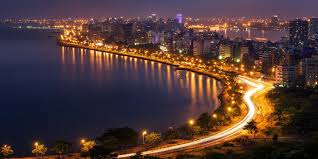
Mumbai’s central-eastern neighbourhood of Wadala is witnessing renewed institutional interest as a major legacy-led developer formally enters the micro-market, reinforcing its transition from an industrial precinct to a strategic urban node. The move underscores how infrastructure-led connectivity is reshaping residential demand beyond traditional South Mumbai, with implications for land use, mobility patterns and housing equity across the metropolitan region.
Urban planners note that Wadala’s significance lies less in branding and more in geography. Positioned between South Mumbai, the eastern suburbs and Navi Mumbai, the locality sits at the intersection of multiple large-scale transport investments. Operational metro corridors, arterial road upgrades, the Eastern Freeway and the Mumbai Trans Harbour Link have collectively reduced commute times and altered residential choice dynamics. For households and employers alike, proximity to multiple job clusters without dependence on a single corridor is emerging as a critical factor. The entry of a large, vertically integrated real estate arm backed by a century-old industrial group reflects growing confidence in Wadala’s long-term liveability. Industry experts point out that such developers typically prioritise locations where regulatory clarity, infrastructure readiness and market depth align. Their arrival often precedes broader ecosystem changes, including improved public amenities, retail clustering and upgraded civic services.
Mumbai’s housing market has historically concentrated premium supply in coastal and western corridors, creating sharp price gradients and infrastructure stress. Wadala’s rise suggests a gradual rebalancing. Analysts tracking Mumbai’s development pipeline say centrally located brownfield areas offer an opportunity to absorb growth without pushing sprawl further north or east. If planned carefully, this shift can reduce vehicle kilometres travelled and support lower per-capita emissions. The developer’s earlier residential projects in both the island city and extended suburbs demonstrated that well-planned, higher-density housing can coexist with open spaces and community infrastructure. Urban economists argue that replicating such formats in Wadala could help normalise central living for middle and upper-middle income households, easing pressure on overstretched coastal precincts. However, planners caution that Wadala’s next phase will depend on coordination between private investment and public agencies. Drainage resilience, social infrastructure capacity and pedestrian connectivity remain critical gaps. Without these, rising land values could outpace liveability gains, undermining inclusivity.
For residents, the neighbourhood’s evolution signals shorter commutes and better access to employment hubs. For the city, Wadala real estate development represents a test case for compact, transit-oriented growth within the island city. As Mumbai pursues climate-resilient and people-first urbanisation, how this centrally located district absorbs new investment may shape policy thinking for similar precincts across the metropolitan region.
Also Read: Gurugram ADot Redefines Premium Property Launches
Mumbai Wadala Real Estate Gains Strategic Momentum
