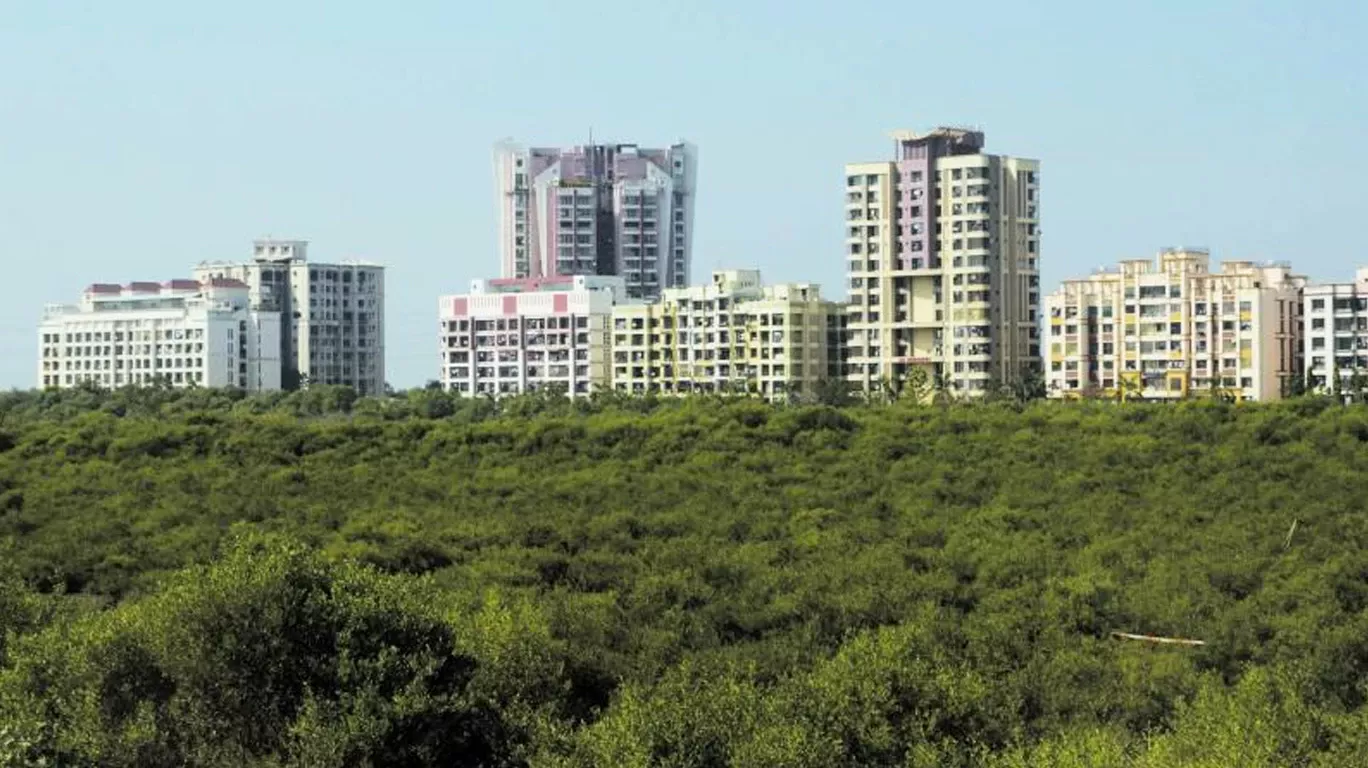
A long-pending coastal infrastructure project linking Mumbai’s western suburbs to its northern periphery has received judicial clearance, paving the way for construction to accelerate despite significant ecological trade-offs. The decision marks a critical juncture in the city’s efforts to address chronic congestion while balancing environmental safeguards.
The Versova Bhayandar Coastal Road is positioned as a major bypass to relieve pressure on the Western Express Highway, one of Mumbai’s most congested arterial routes. Once operational, the corridor is expected to significantly cut travel time between key suburban nodes, improving connectivity for daily commuters and freight movement along the western belt. Judicial approval follows an extended legal review of environmental implications, particularly the impact on mangrove ecosystems that act as natural buffers against coastal flooding. While acknowledging the scale of ecological loss, the court concluded that the project’s wider public utility justified its execution, provided strict compliance with mitigation measures.
Officials indicate that the Versova Bhayandar Coastal Road will be implemented with conditions mandating long-term environmental monitoring. These include structured afforestation programmes and periodic reporting to ensure that compensatory ecological measures are not only undertaken but sustained over time. Such oversight mechanisms are increasingly being embedded in large-scale infrastructure approvals to improve accountability. Urban planners note that the project reflects the complex choices facing coastal cities like Mumbai, where infrastructure expansion must contend with fragile ecosystems and rising climate risks. Mangroves, in particular, play a vital role in absorbing storm surges and reducing flood vulnerability, making their loss a sensitive issue in the context of intensifying monsoon patterns and sea-level rise.
At the same time, the mobility benefits of the corridor are significant. Reduced travel time can translate into lower fuel consumption, improved productivity, and better quality of life for commuters. Transport economists highlight that such projects, when executed efficiently, can also reduce vehicular emissions by easing stop-and-go traffic conditions on overburdened routes. However, environmental experts caution that compensatory plantation strategies must be scientifically planned and geographically appropriate to replicate the ecological functions of existing mangroves. Simply increasing plantation numbers without ensuring survival and ecosystem integration may not deliver equivalent environmental value.
The Versova Bhayandar Coastal Road also carries broader implications for urban development patterns. Improved connectivity along the western corridor could trigger real estate activity and intensification in peripheral areas, necessitating careful land-use planning to avoid unchecked expansion and infrastructure strain. As construction moves forward, the project will serve as a test case for how Indian cities navigate the intersection of infrastructure growth and ecological preservation. For Mumbai, the challenge will be ensuring that mobility gains do not come at the cost of long-term climate resilience, particularly in a city already vulnerable to flooding and coastal risks.
Mumbai Versova Bhayandar Link Approved By Supreme Court