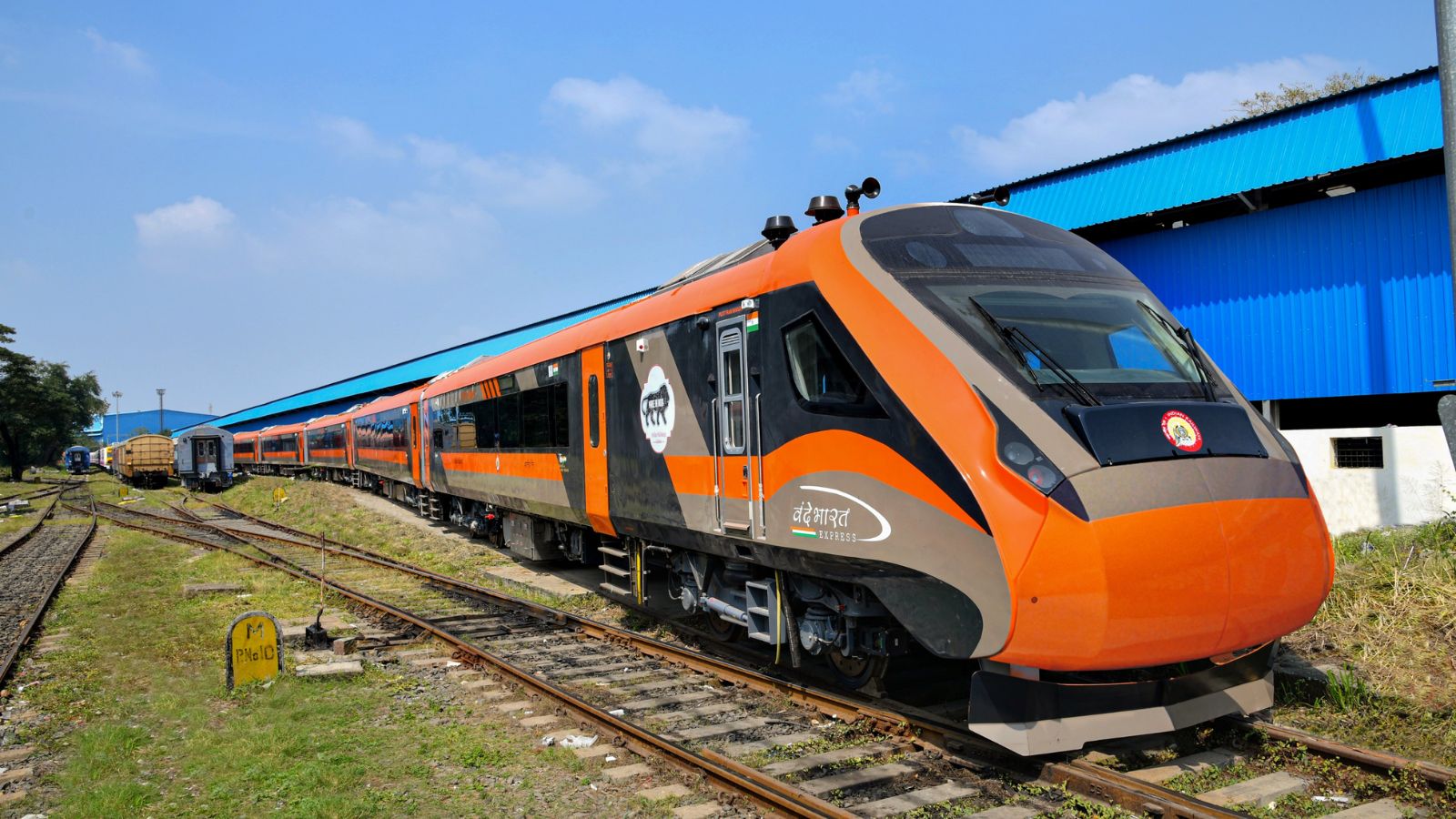
Mumbai Vande Metro Trains Built For Monsoon Resilience
Mumbai is preparing to roll out a new generation of Vande Metro local trains designed to withstand the city’s demanding monsoon and coastal weather conditions, an initiative that reflects deeper efforts to climate-proof urban mobility infrastructure as rainfall intensity and sea influence escalate. The move has significant implications for commuter reliability, operational costs and long-term resilience planning in India’s largest metropolitan rail network.
Under the latest phase of the Mumbai Urban Transport Project (MUTP 3 and 3A), authorities have tendered for nearly 2,856 air-conditioned Vande Metro coaches, with advanced specifications tailored to coastal humidity, salt exposure and seasonal flooding risks. These environmental stressors routinely disrupt services and accelerate infrastructure wear in Mumbai’s suburban rail ecosystem, which serves millions daily.Urban transport analysts highlight that traditional rolling stock faces corrosion and electrical vulnerabilities when exposed to saline air and intense monsoon precipitation. The new Vande Metro sets will include flood-resistant underframe equipment, waterproofing and corrosion-resistant coatings, aimed at enhancing service reliability and reducing maintenance downtimes — a key consideration for a city with a climate risk profile that includes rising sea levels and heavy seasonal rainfall.
Energy efficiency and passenger comfort are also central to the design. The trains will feature silicon carbide traction systems and regenerative braking, which can lower energy consumption and emissions — an important factor as metropolitan regions seek to reduce transport-sector carbon footprints. Interiors will offer cushioned seating, wider gangways and adaptive ventilation systems that adjust fresh-air intake in response to passenger load, aligning with broader trends towards climate-responsive urban transport.For daily commuters, these upgrades could mean fewer service disruptions during peak monsoon months. Mumbai has historically grappled with waterlogging and service delays on local and metro lines during heavy rainfall, as infrastructure often struggles with drainage and real-time weather challenges. Recent climate data shows that extreme precipitation events have become more frequent, underscoring the need for transportation systems that can operate reliably under such conditions.
City planners note that building climate resilience into transit systems is not only about hardware but also systemic preparedness. Past efforts, such as monsoon action plans for metro lines that include dewatering systems and wind-resistance assessments, offer a blueprint for integrating weather risk mitigation across both rail and metro networks.The Vande Metro project is expected to progress in phases after the contract award, with prototypes targeted within approximately 2.5 years and subsequent fleet deployment thereafter. This timeline aligns with long-term urban mobility goals to expand high-capacity, climate-adaptive public transport and reduce reliance on private vehicles — a crucial step for equitable access and lower urban emissions.
Challenges remain, particularly in ensuring that supporting infrastructure — from elevated tracks to station drainage — keeps pace with rolling stock upgrades. Continued investment in real-time monitoring, drainage upgrades and coastal flood defences will be essential to secure reliable transit services in an era of intensifying monsoon cycles.