Maharashtra Vadhvan Port Tender Gets Three Month Extension
India is advancing plans for a third major airport in the Mumbai Metropolitan Region (MMR) with a marquee ₹45,000‑crore proposal for an offshore facility near Vadhavan Port in Palghar district. Designed to serve up to 90 million passengers annually and handle significant air cargo volumes, the project marks an ambitious pivot in regional aviation infrastructure, aiming to reduce pressure on existing hubs and enhance multimodal connectivity — but also raising complex planning and sustainability considerations for one of the country’s fastest‑growing urban corridors.
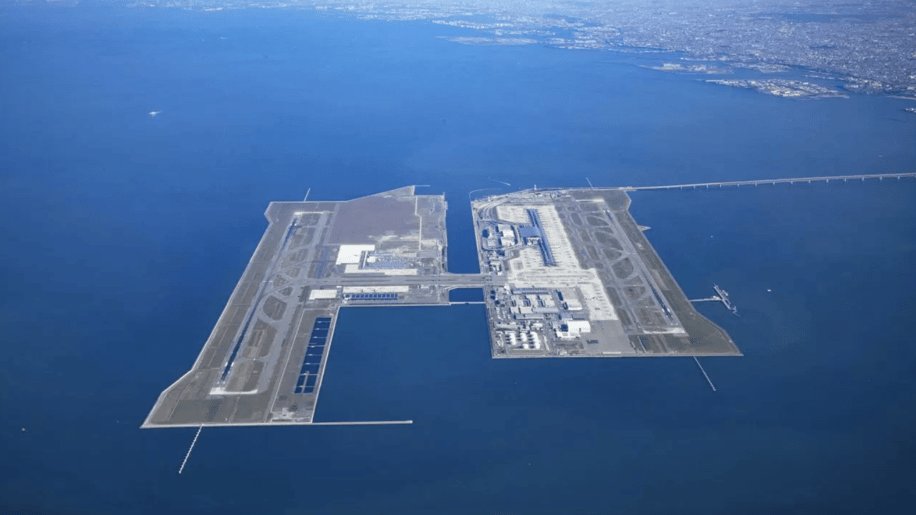
The planned airport would be India’s first offshore aviation hub, constructed on reclaimed land in the Arabian Sea. The pre‑feasibility study commissioned by the Maharashtra Airport Development Company points to ambitious infrastructure — including two parallel runways and integrated freight facilities — to position the airport as both a passenger gateway and a logistics hub supporting west coast trade flows. Strategic connectivity sits at the heart of the vision. Proposals under review envisage direct road access to the Mumbai–Vadodara Expressway and potential rail links to the Western Railway network, while future integration with the Mumbai–Ahmedabad high‑speed rail corridor has been flagged as critical to unlocking the airport’s full regional impact. If realised, these multimodal linkages could brighten economic prospects not just for the MMR but also for central and western India’s industrial and export clusters.
For urban planners, the airport underscores both opportunity and challenge. The MMR already hosts Chhatrapati Shivaji Maharaj International Airport (CSMIA) and the newly operational Navi Mumbai International Airport (NMIA), the latter designed to ease capacity constraints but still ramping up operations. The offshore airport aims to complement this duopoly, absorbing future demand growth while redistributing aviation traffic. However, building on reclaimed land brings ecological and logistical complexity. Environmental reviews, coastal impact assessments and resilient design will be essential to mitigate risks associated with sea level rise, storm surge and marine habitat disruption — issues that are increasingly central to sustainable city and infrastructure planning. Analysts emphasise that careful calibration of environmental safeguards with infrastructure delivery timelines will determine whether the project reinforces Maharashtra’s climate‑aligned growth trajectory or compounds risk exposure.
Economic stakeholders also point to the airport’s potential catalytic role in fostering regional growth. An aviation‑led node could attract ancillary industries, spur tourism, and accelerate logistics‑driven economic clusters. Yet securing such dividends will hinge on coordinated investments in public transit, last‑mile connectivity and land‑use planning to ensure that communities — especially in peri‑urban and coastal districts — benefit equitably.
As momentum builds, policymakers face crucial choices on phased financing, governance frameworks, and integration with broader infrastructure priorities such as metro corridors and expressways. The coming months will likely shape whether Maharashtra’s offshore airport evolves from blueprint to engine of inclusive, resilient urban development.