


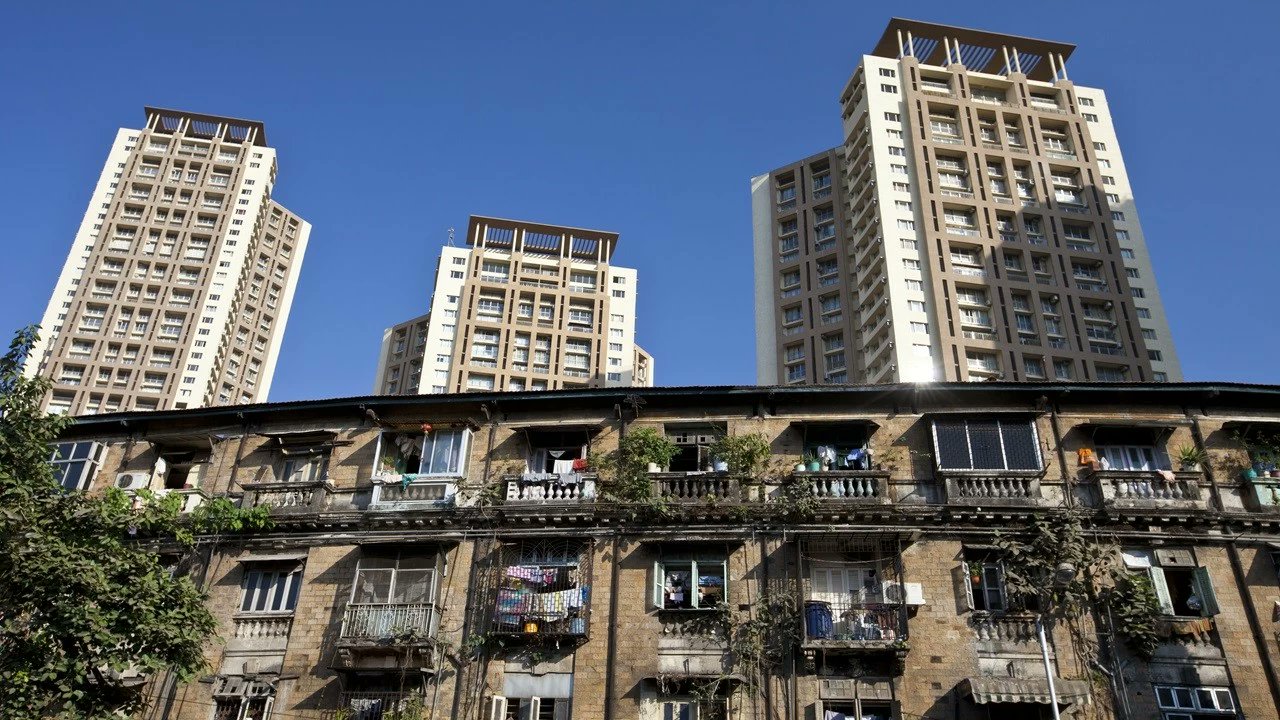
Mumbai is set for a significant shift in its redevelopment landscape as the state government unveiled a new regulatory framework aimed at overhauling the city’s ageing Pagdi buildings. The model, a long-standing tenancy arrangement unique to Mumbai, covers thousands of vulnerable structures, many of which are more than six decades old. Officials described the reform as a foundational step towards modernising high-risk housing stock and strengthening the city’s resilience.
The Pagdi system, widely prevalent in South and Central Mumbai, combines elements of tenancy and ownership. Under this arrangement, tenants pay nominal rent but hold partial rights over their units, including the ability to sell or sublet. While the model offered affordability and stability for generations, it also locked buildings into limited maintenance and redevelopment pathways, leaving many structures structurally distressed. According to government data presented in the legislative assembly, more than 19,000 cessed buildings fall under this category. A senior housing official said the new framework seeks to give clarity on redevelopment rights, governance norms, and tenant–owner negotiations, addressing long-standing disputes that have stalled repairs across neighbourhoods. The official noted that a predictable regulatory structure could enable more equitable redevelopment, particularly in dense areas where residents have struggled with insecure living conditions. Urban planners said the announcement is timely, considering the increasing climate risks facing older housing in the city. Many Pagdi buildings predate modern building codes and are concentrated in zones prone to flooding, heat stress, and infrastructure deficits. Redevelopment, experts said, must therefore balance density gains with safety, environmental performance, and inclusion. They emphasised that the transition offers an opportunity to introduce greener building practices, energy-efficient designs, and more accessible public spaces.
Developers have long argued that Pagdi redevelopment requires clearer incentives, as the shared rights between landlords and tenants complicate financial agreements. Industry representatives said that the new policy, if supported by transparent procedures, could accelerate investment in inner-city areas where land value remains high but redevelopment has been slow. However, they cautioned that implementation must avoid displacing vulnerable households or eroding affordable rental stock. For residents living in deteriorating buildings, the announcement raises cautious optimism. Community groups said that any redevelopment push must ensure fair rehousing terms, gender-neutral access to documentation, and adequate compensation for long-term tenants, many of whom have lived in the same structures for decades. They added that sustainable redevelopment should prioritise walkable neighbourhoods, improved ventilation, and infrastructure that supports low-carbon mobility.
As Mumbai prepares to rework regulations that have shaped its housing fabric for generations, stakeholders argue that the success of the initiative will depend on participatory processes and long-term accountability. If implemented effectively, the new framework could help the city reduce its reliance on ageing stock and transition toward safer, more climate-ready, and more equitable urban living.
Also Read: Navi Mumbai Welcomes Le Meridien Debut Strengthening Hospitality Growth Near New Airport
